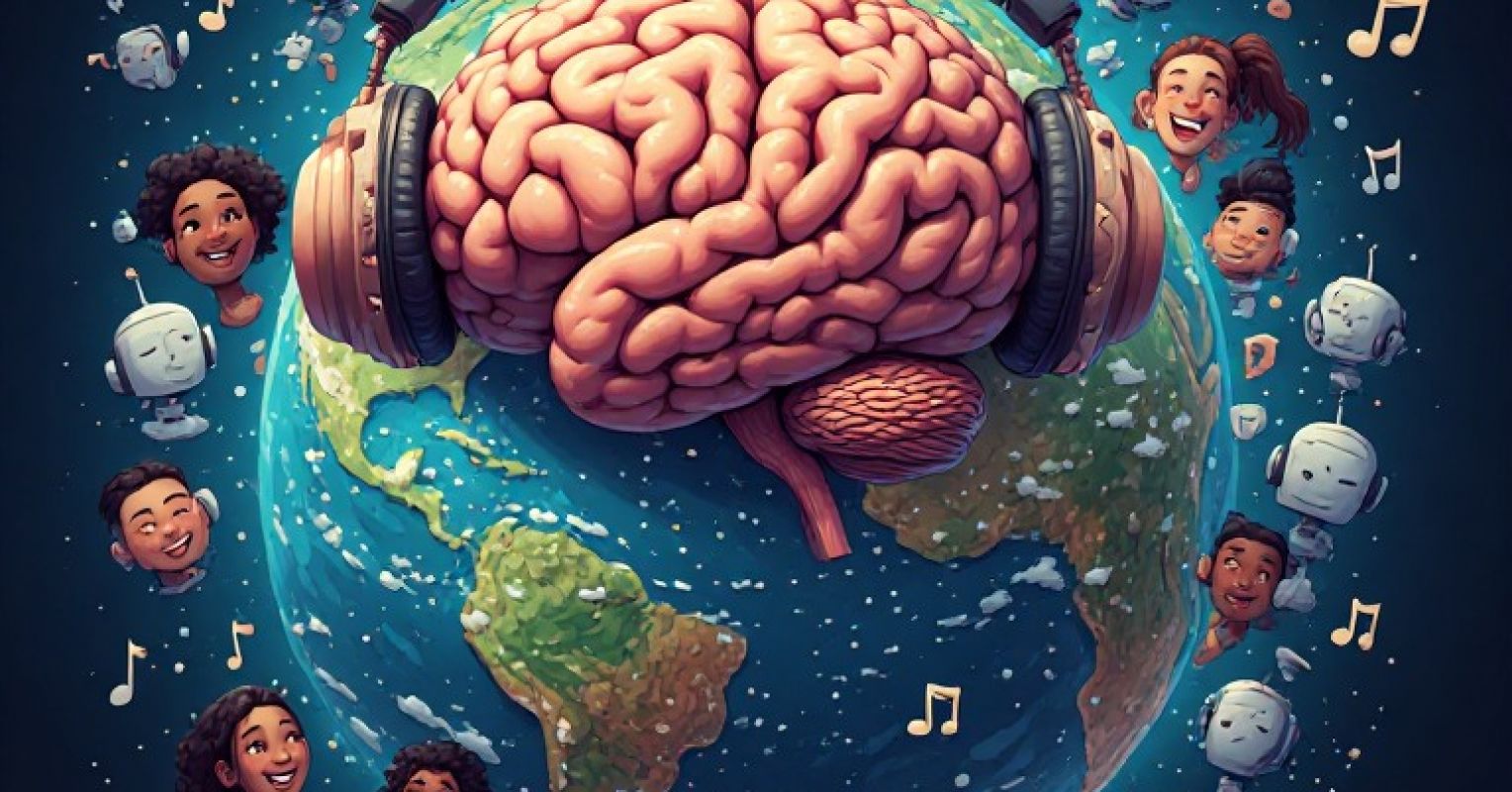
AI-powered music tools can generate polished songs from simple audio ideas or lyrics, making authorship harder to determine. Music listening engages diverse brain systems involved in cognition, memory, and emotions, and can trigger strong physical reactions such as goosebumps. Music therapy uses evidence-based approaches to improve alertness, speech, movement, pain, and mood. Reward-related neurological circuits are activated during listening, and early music experiences can shape personal identity. Technology also enables access to music, changing how people encounter music over decades. Instrument design and advances in how music is produced and distributed influence the timbres and listening experiences that affect minds and psyches.
"AI-powered music production apps allow users to input simple audio ideas or lyrics, adjust a few settings, and the artificial music producer creates a surprisingly polished song recording. This highlights the strong interaction that exists between technology and music listening."
"Psychologists are interested in how humans process music, how music links to memories, or why a particular musical passage gives us goosebumps. Researchers have confirmed that music listening activates diverse brain systems, and the psychology of music offers insight into cognition, memory, and emotions."
"Evidence-based music therapy is used to improve alertness, speech, movement, pain, or even alter moods. There is evidence that music listening engages key neurological reward circuits, and contributes to the formation of our personal identity."
"Studies suggest that the music we listened to when we were young significantly helped to shape our personal sense of self. But without the technology that allows us to listen to music, we would not have this mind-music connection. Technology changes, and with it, changing the ways we accessed the music that has music influenced us over the decades."
Read at Psychology Today
Unable to calculate read time
Collection
[
|
...
]