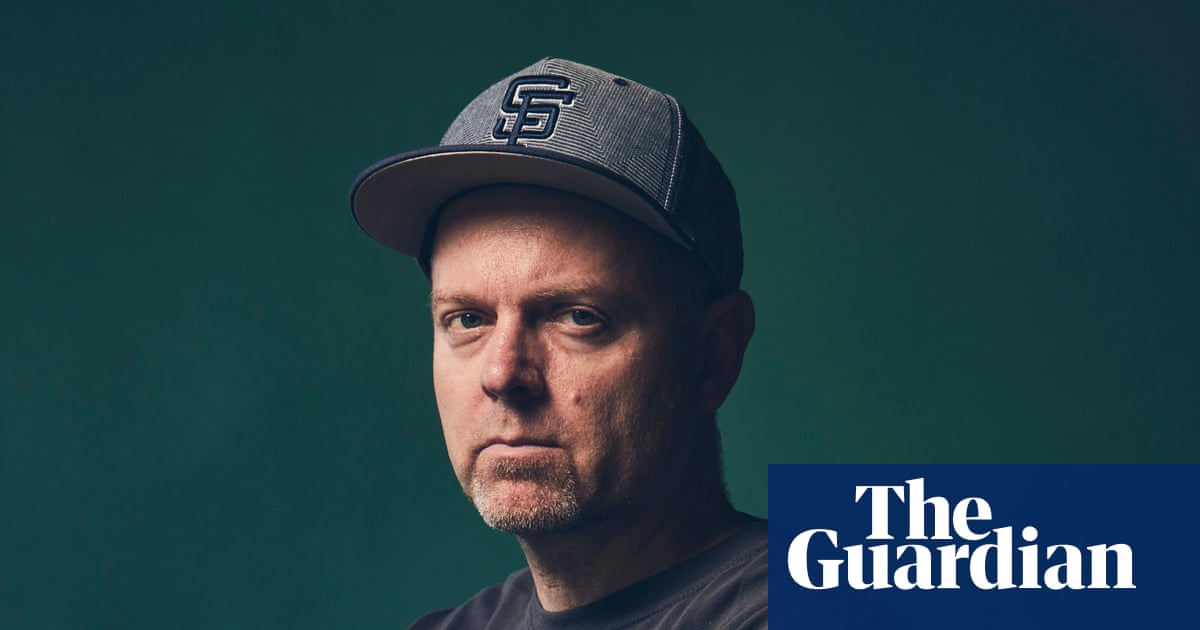
"In 1999, I was approached by Deftones to work on White Pony, but I had just come off of Unkle's Psyence Fiction album. I was nursing a hip-hop image and reputation, so I was wary of working with anything that felt like it was too alternative or rock-oriented. So I missed out on being a part of a pretty seminal album."
"There have been times in my career where I've wondered: at the end of the day, am I going to own only 15% of my catalogue because of all the samples? So that was part of it. But equally, I became known as somebody who was trying to be on the vanguard of making music with samples but I always knew I would want to make music in as many different ways as possible."
"I've never abandoned samples, and I always feel like my segue into making music in other ways has been very measured and at a genuine pace. So it's interesting sometimes when people are surprised: How come there's no dusty breaks? I already did that, and I'm doing new things."
In 1999, an opportunity arose to work with Deftones on the album White Pony, but concerns over maintaining a hip-hop image led to a missed collaboration. The shift towards sample-free production was influenced by the complexities of sample clearance and a desire for creative evolution. The artist reflects on the importance of exploring various music-making methods while acknowledging a past identity tied to sampling. Influential UK scratch DJs included Hijack, with DJ Supreme and DJ Undercover being particularly notable.
Read at www.theguardian.com
Unable to calculate read time
Collection
[
|
...
]