"Smack in the middle was a picture of a Black man with striped bellbottoms, a white hat, an open leopard print shirt, a vest, snakeskin boots, and two guns, his posture suggesting something between a soul singer's body drop, and a rehearsal for a bank robbery. If, like me, you were 14 when you opened that edition and saw Jimmy Cliff's photo above the words "Don't. Fuck. Wit. Me." it was as if you were seeing the Matrix."
"Jimmy spent some of his childhood with his aunt when his parents couldn't afford to feed him. His angelic voice lit up church every Sunday. A fortuitous move to Kingston set him on a course for fame. He went from basking in the soundtrack of his neighbor's window radio, his only exposure to new music, to performing his own songs in talent shows with a bamboo guitar he carved himself."
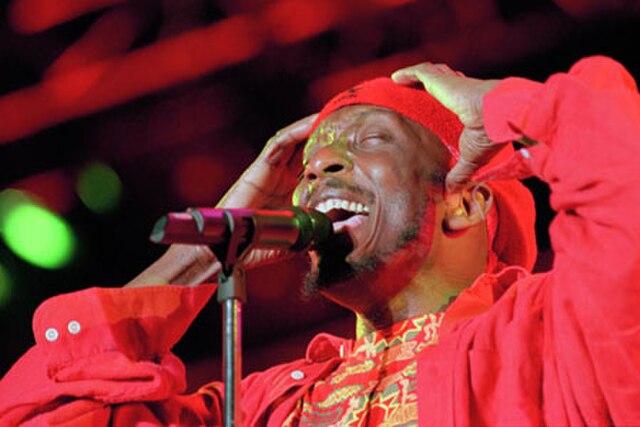
Jimmy Cliff rose from a poor Jamaican childhood to international recognition as a pioneering reggae singer, actor, activist, producer, and writer. Born James Chambers in St. James parish during a hurricane, he grew up in a large, impoverished family and sometimes lived with an aunt. His church singing revealed an early talent and a move to Kingston launched his musical career. He performed in talent shows with a bamboo guitar he carved and adopted the stage name Jimmy Cliff. His early singles included "Hurricane Hattie" and "Miss Jamaica," and "Dearest Beverly" earned him a recording opportunity.
Read at Roger Ebert
Unable to calculate read time
Collection
[
|
...
]