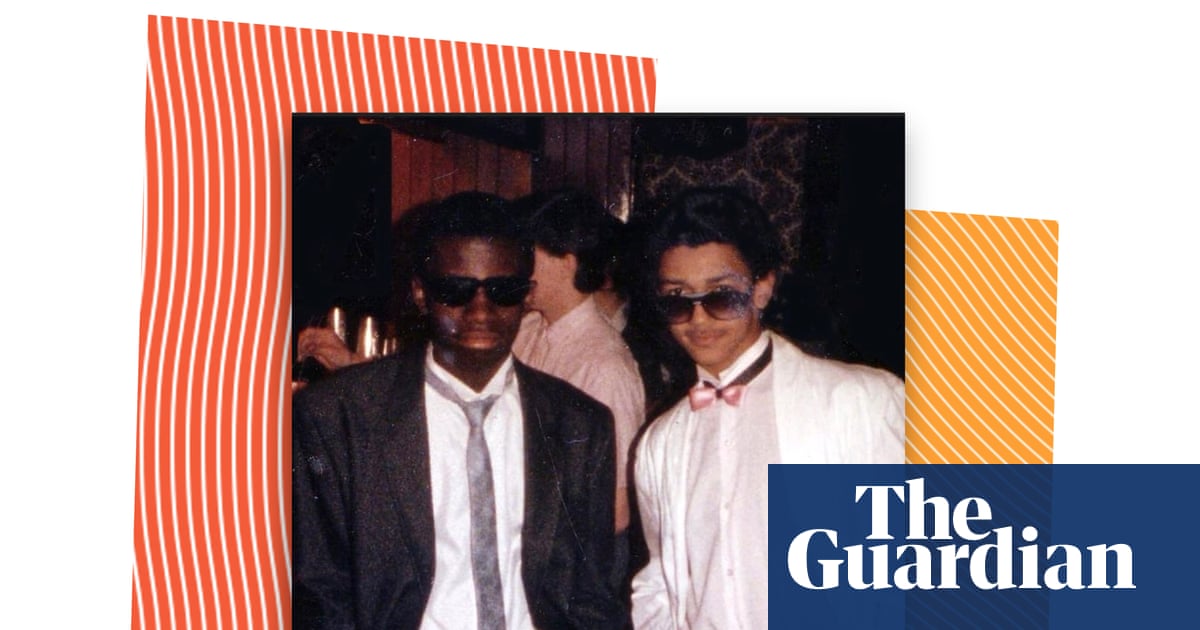
"In the mid-1980s, as a Black kid from a Battersea council estate, pubs were not part of my life. To my mind, they were where white blokes got lagered-up before rolling out on to the streets to abuse people who looked like me. None of my mates were big drinkers; we were much more interested in music (rare groove and hip-hop) and trying to meet girls. Rooms full of aggressive-looking men held no attraction for any of us."
"Our early adult years were about dancing and house parties, and it was only after enrolling at the achingly trendy Richmond College that we were introduced to pubs and bars as meeting places, rather than spaces to get your head kicked in. Ironically, the most popular meeting spot by far, the Dome, was less than a mile away from the council estate where we grew up. That 15-minute walk across Battersea bridge and down Beaufort Street was like walking through a portal into another universe."
"It was a dark, unspectacular place with a central bar and seating all around. It wasn't even officially called the Dome until the early 1990s, but it had a striking domed roof and I never once heard this traditional pub (allegedly a meeting spot for the Sex Pistols in the 1970s) referred to by its actual name back then, the Roebuck."
In the mid-1980s a Black teenager from a Battersea council estate avoided pubs, seeing them as places where white men drank and attacked people who looked like him. Friends preferred music—rare groove and hip-hop—and house parties over drinking. Attending Richmond College introduced pubs and bars as neutral meeting places rather than threats. The Dome, a nearby pub officially called the Roebuck, sat less than a mile away and felt like a portal into a different world. The Dome's mixed clientele let working-class youths mingle with wealthier peers, exposing him to middle-class culture and altering his outlook and social opportunities.
Read at www.theguardian.com
Unable to calculate read time
Collection
[
|
...
]