""Many found the music offensive, the dancing objectionable, and the popularity of both with young people verging on a mental health crisis." So writes music historian Susan C. Cook about ragtime, the heavily syncopated ancestor of jazz that arose in the late 1800s. Like all things, ragtime's subversiveness faded over time, and, a century later, the works of Scott Joplin and other practitioners had been relegated to carnivals and fairs, their jaunty piano melodies now evoking quaint notions of old-timey fun."
"Riordan treats such half-forgotten chestnuts as "Swipesey Cakewalk" and "Weeping Willow" with respect, faithfully sticking to Joplin's marching melodic lines and lockstep harmonies, the unmistakable verve of the source material made even more punchy by the gimcrack timbre of his synths. Leland adds rickety digital percussion-froggy chirps, silicone snaps, coconut knocks, and solenoid cymbals-that makes things both more festive and increasingly awkward. Played straight, ragtime has a formal elegance that complements its peppy strut. You won't hear much of that poise in Ragger, as Euphonic Sounds leans hard into the lumbering goofiness of the genre's bozo era."
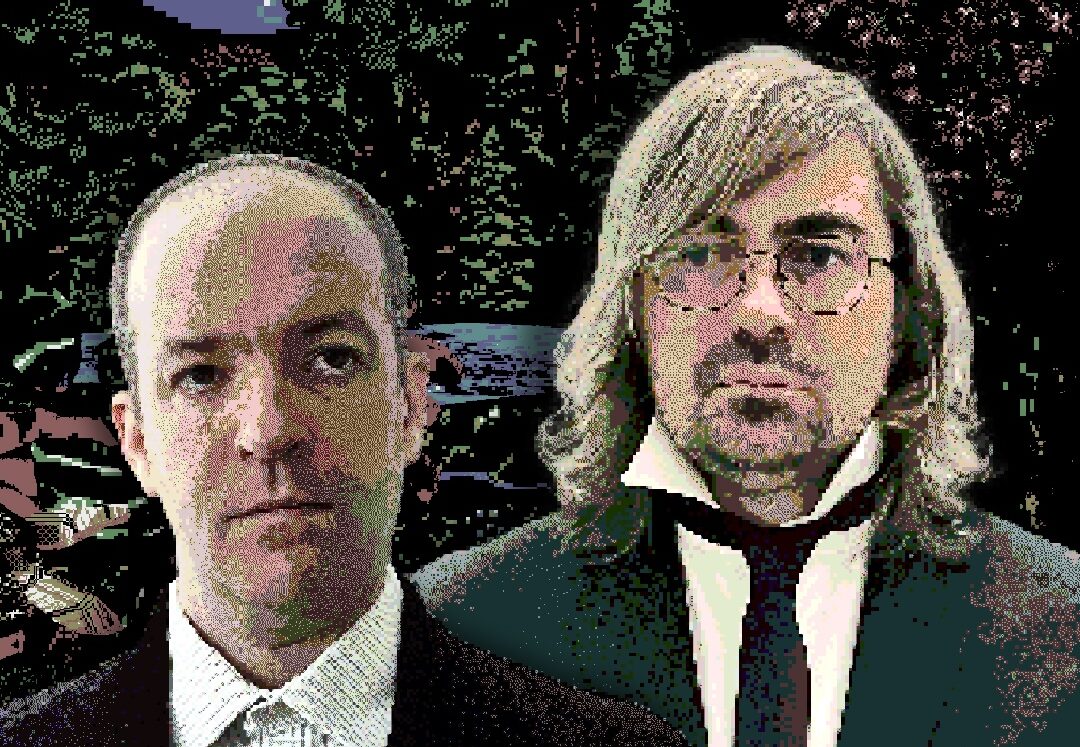
Ragger-Marc Riordan and Jon Leland reinterpret ragtime using electronic instruments on their debut album Euphonic Sounds. They reimagine seven Scott Joplin pieces and one by George Botsford as video-game-style soundtracks. Riordan preserves Joplin's marching melodic lines and lockstep harmonies while applying gimcrack synth timbres that sharpen the material. Leland supplies rickety digital percussion—chirps, silicone snaps, coconut knocks, and solenoid cymbals—that creates a festive yet awkward texture. The duo foregrounds ragtime's lumbering, bozo-era goofiness over formal elegance, producing a quirky, modernized, 8-bit-flavored take on classic ragtime.
Read at SPIN
Unable to calculate read time
Collection
[
|
...
]