"At the next red light, I clicked the belt across my chest. In the distance, a white truck drifted into view. It began to swerve. I gripped the steering wheel with both hands and braced. The impact flipped my car forward three times, glass exploding in every direction, my head slamming into the steering wheel."
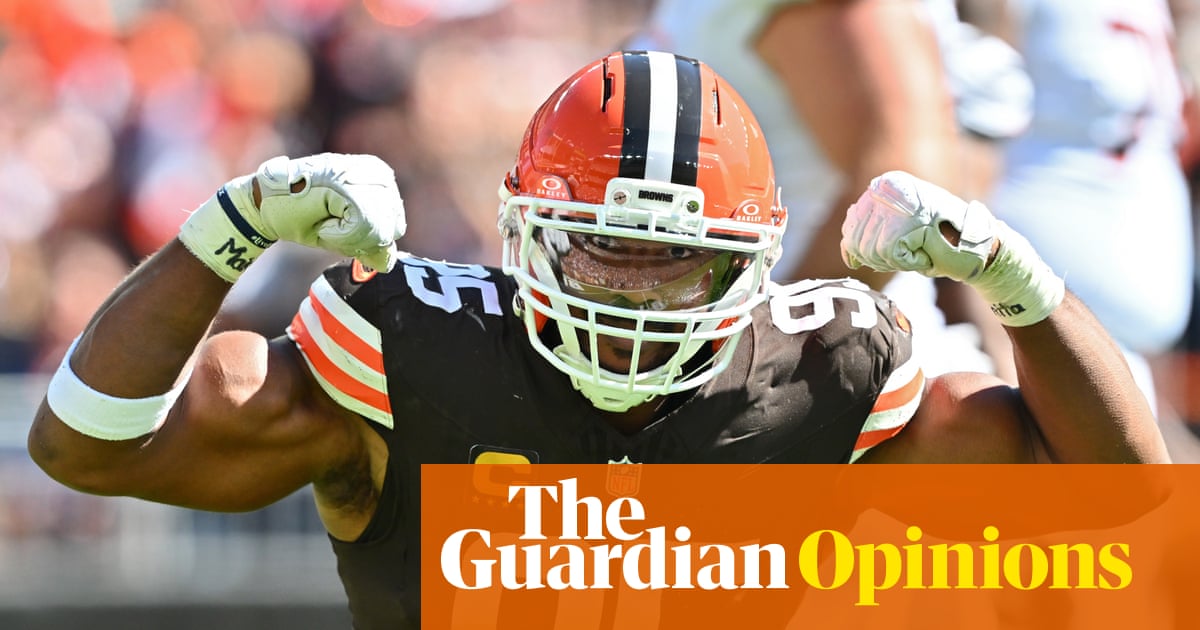
"I open with my own scars to remind myself where I came from and where Myles Garrett is headed. I'm not interested in ripping his morality apart from some hubris vantage point. No one is perfect. I'm certainly not. We all make mistakes, and I've made enough for three lifetimes."
"Unlike my broke ass 15 years ago, Garrett lives his life with a much greater level of leniency. He's a high-profile NFL star. The world bends for him in ways it never did for me in that squad car."
The narrative opens with a reckless late-night drive at excessive speed while impaired, featuring dangerous driving behaviors. A grandmother's voice prompts the narrator to wear a seatbelt moments before a catastrophic collision with a white truck flips the car multiple times. After crawling from the wreckage, the narrator is arrested for an outstanding warrant from years prior. This personal trauma serves as a framework for examining Myles Garrett's position as an elite NFL defensive end. The author contrasts their own experience facing serious consequences with Garrett's elevated status, arguing that professional athletes operate within a system that provides substantially greater leniency and social accommodation than ordinary citizens receive.
Read at www.theguardian.com
Unable to calculate read time
Collection
[
|
...
]