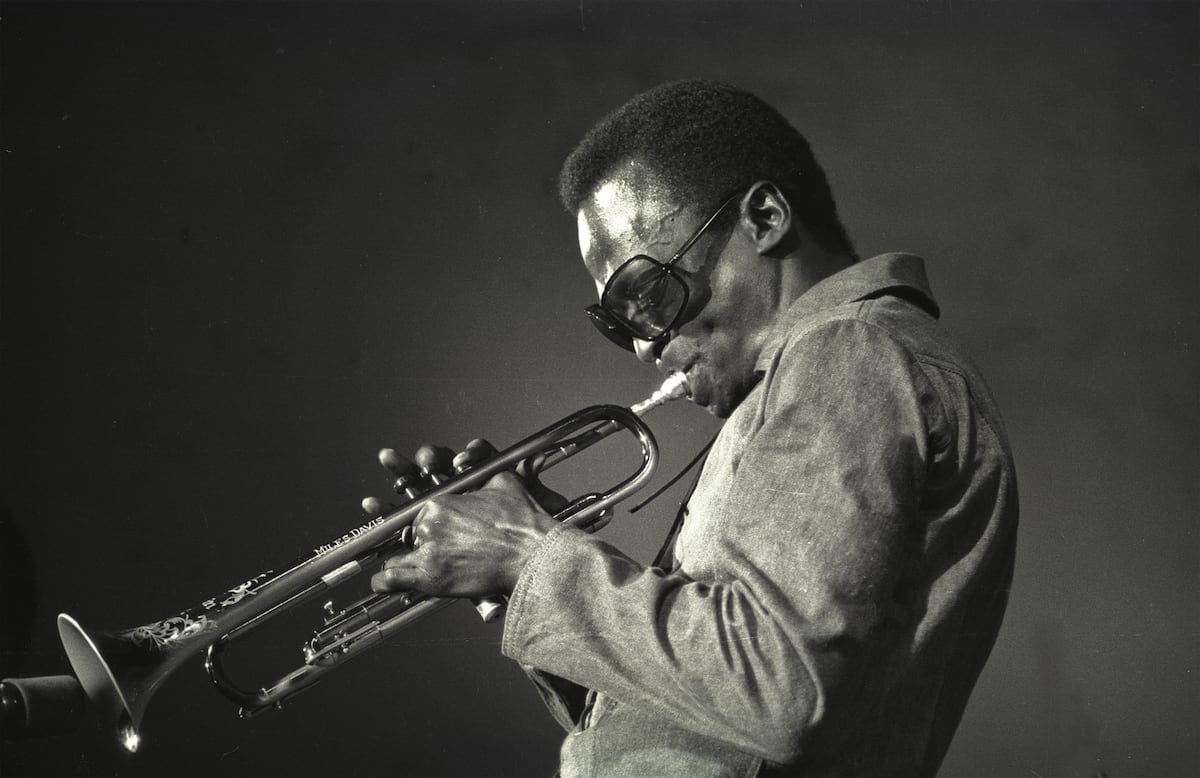
Miles Davis’s work traces modern jazz history from bebop through the end of the last century, shaping multiple styles and fusions. His influence spans bebop, cool jazz, hard-bop, third stream, modal jazz, post-bop, jazz-rock, and combinations with funk, pop, and hip-hop. His importance remains strong, and much of his music retains the freshness it had at creation. Born May 26, 1926, he grew up in a well-off family and faced racist episodes that shaped his racial pride. He received a trumpet at age 11, met Charlie Parker and Dizzy Gillespie through Billy Eckstine’s orchestra, and moved toward New York’s bebop scene. He joined Parker’s quintet in 1945 and later led sessions for Birth of the Cool.
"The whole history of modern jazz, from bebop to the end of the last century, can be told through his worksomething that cannot be said of any other musician. Many artists sparked or led musical revolutions in different periods, but no one did so as often or as decisively as Miles Davis. Styles such as bebop, cool jazz, hard-bop, third stream, modal jazz, post-bop or jazz-rock, as well as various fusions with genres like funk, pop or hip-hop, cannot be understood without Davis' legacy."
"Today, on the centennial of his birth, his importance has not diminished in the slightest, and the vast majority of his workalways at the epicenter of the musical earthquakes that drove jazz's frantic evolutionretains the same freshness it had when it was created. Davis was born on May 26, 1926, into a well-off family, though one of African descent, which exposed him to racist episodes that left a deep mark on him and forged a racial pride that he would bring into much of his work."
"He received his first trumpet at age 11, and music quickly became the most important thing in his life. During a visit by Billy Eckstine's orchestra to East St. Louis, the city where he grew up, he substituted for one of their trumpeters and had the chance to meet Charlie Parker and Dizzy Gillespie. His path was clear: New York and the emerging bebop movement."
"Although his parents enrolled him at Juilliard, a respected private conservatory that was out of reach for most Black musicians at the time, Davis threw himself into the new jazz being played at the clubs, and in 1945 he replaced Gillespie in Parker's quintet. His time in bebop provided extraordinary training that gave him the wings to pursue his own music. That confidence showed in his leadership of the sessions that would become the legendary album Birth Of The Cool."
Read at english.elpais.com
Unable to calculate read time
Collection
[
|
...
]