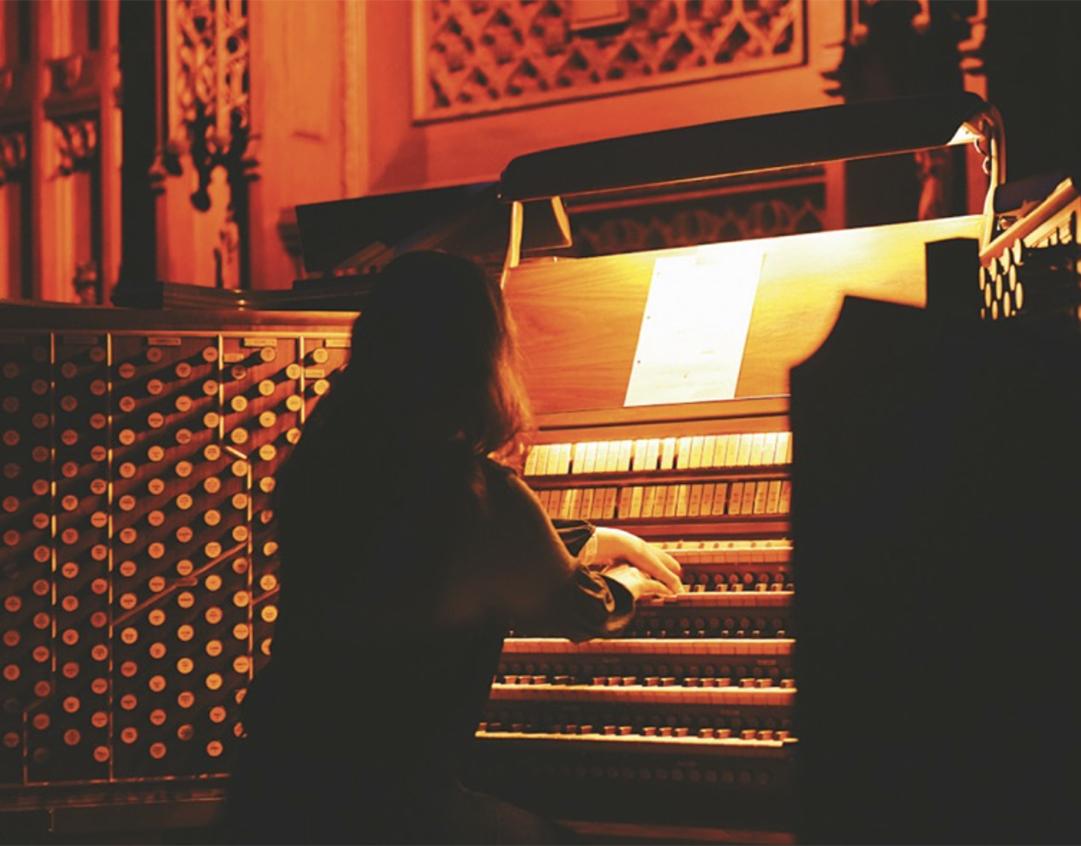
"The prehistory of drone music begins with the recognition of sound as a temporal event. In ritual, chant and natural acoustics, drones mark ambience and continuity. Ancient instruments such as horns and bells produce extended vibrations that transform time into a perceptual field, and this stretching of temporal experience is as much social as musical. These instruments and others have proliferated into the rhythms of the human world."
"Almost always, a drone bumps against some sort of border between an inside and an outside that you have to mentally overcome in order to allow your mind to touch the humming current and fill in the blanks. Maryanne Amacher defined this by treating the listener's perception as the compositional site, the "third ear", where the active listener is an experimenter."
Sound conceived as a temporal event underpins the origins of drone practice. Ritual, chant and natural acoustics use drones to create ambience, continuity and extended perception. Ancient vibrating instruments stretch temporal experience and integrate social and musical life. Sustained tones have entered everyday rhythms, offering moments of sustain that gesture toward infinity and act as foundational sonic reference points. Individual experiences of immersive sound highlight how drones blur inside–outside boundaries and demand mental adjustment to perceive their continuity. Practices emphasizing the listener’s perception, such as Amacher’s third-ear approach and deep-listening improvisation, prioritize active listening as a compositional and political act.
Read at The Wire Magazine - Adventures In Modern Music
Unable to calculate read time
Collection
[
|
...
]