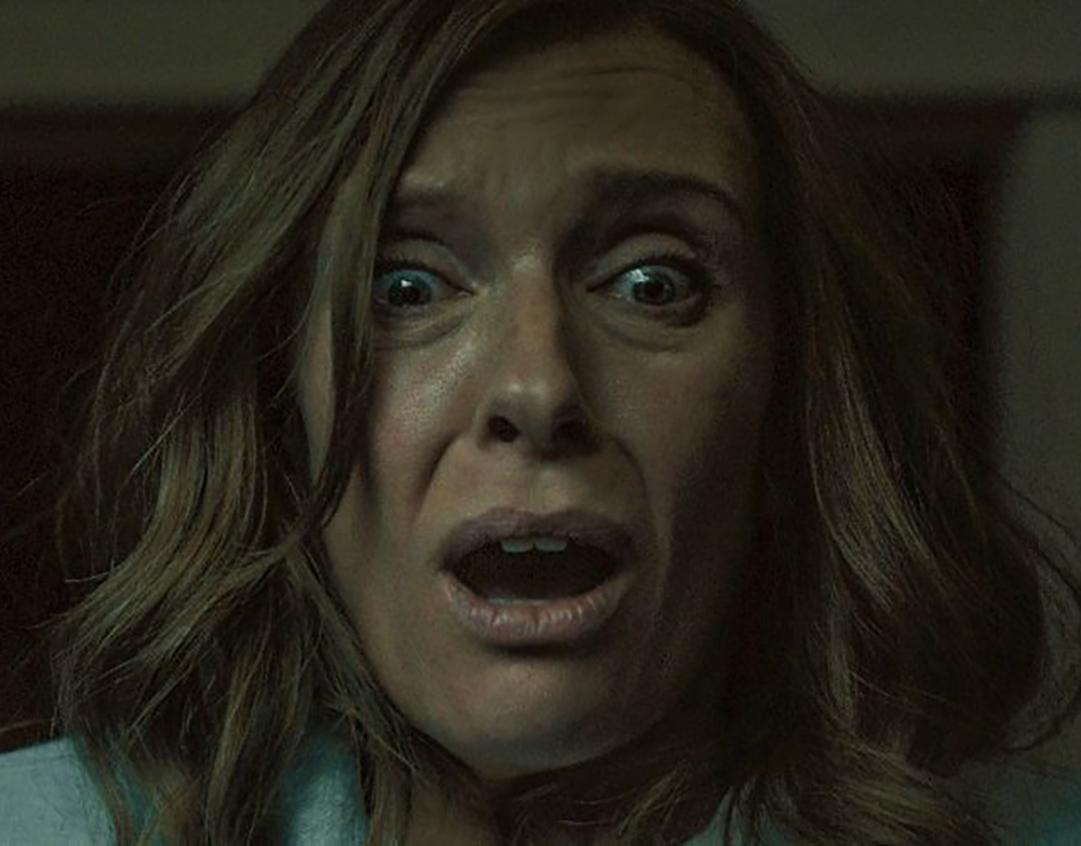
"Part death metal aping, part psychotic impression, it highlights a key aspect of all monster figurations: the sound of their voice. Much of Stetson's cues for Texas Chainsaw Massacre combine vague vocal tones with breathy sustains, each overlaid with overtones and submerged in reverberant fog. In violent outbursts like "Sledgehammer", the score feels cognisant of Tobe Hooper and Wayne Bell's 'meat industry metalzak' for the original Texas Chainsaw Massacre. Stetson carves, sculpts and moulds his compound acoustics with greater turmoil."
"Stetson thematically has directed his instrumental performances across the well known New History Warfare volumes (2007, 2011, 2013). He needn't have pointed out these pieces are recorded live and unedited: they throb with his circular breathing, muscular lungs, and immersion in the swirling sonorum he expels from his mouth. In an unlikely musical merger of Philip Glass arpeggios, 'acoustic acid' pulsations and inchoate metal vocalisations, the trilogy swells with a surprisingly emotional undertow."
Colin Stetson's live, unedited brass and woodwind improvisations generate visceral, breath-driven textures that intensify cinematic horror. His cues for Texas Chainsaw Massacre (2022) use growls, breathy sustains, overtones and dense reverberation to shape monster vocality and sensational affect, notably on tracks like "Sunflowers" and "Sledgehammer". Stetson's New History Warfare recordings showcase circular breathing, muscular lung control and immersive sonorities that merge Philip Glass–like arpeggios, 'acoustic acid' pulsations and inchoate metal vocalisations. These elements produce an emotional undertow and performative anguish that distinguish his work from more cabaret-like dark industrial practices, grounding compositions in physical instrumental dynamics.
Read at The Wire Magazine - Adventures In Modern Music
Unable to calculate read time
Collection
[
|
...
]