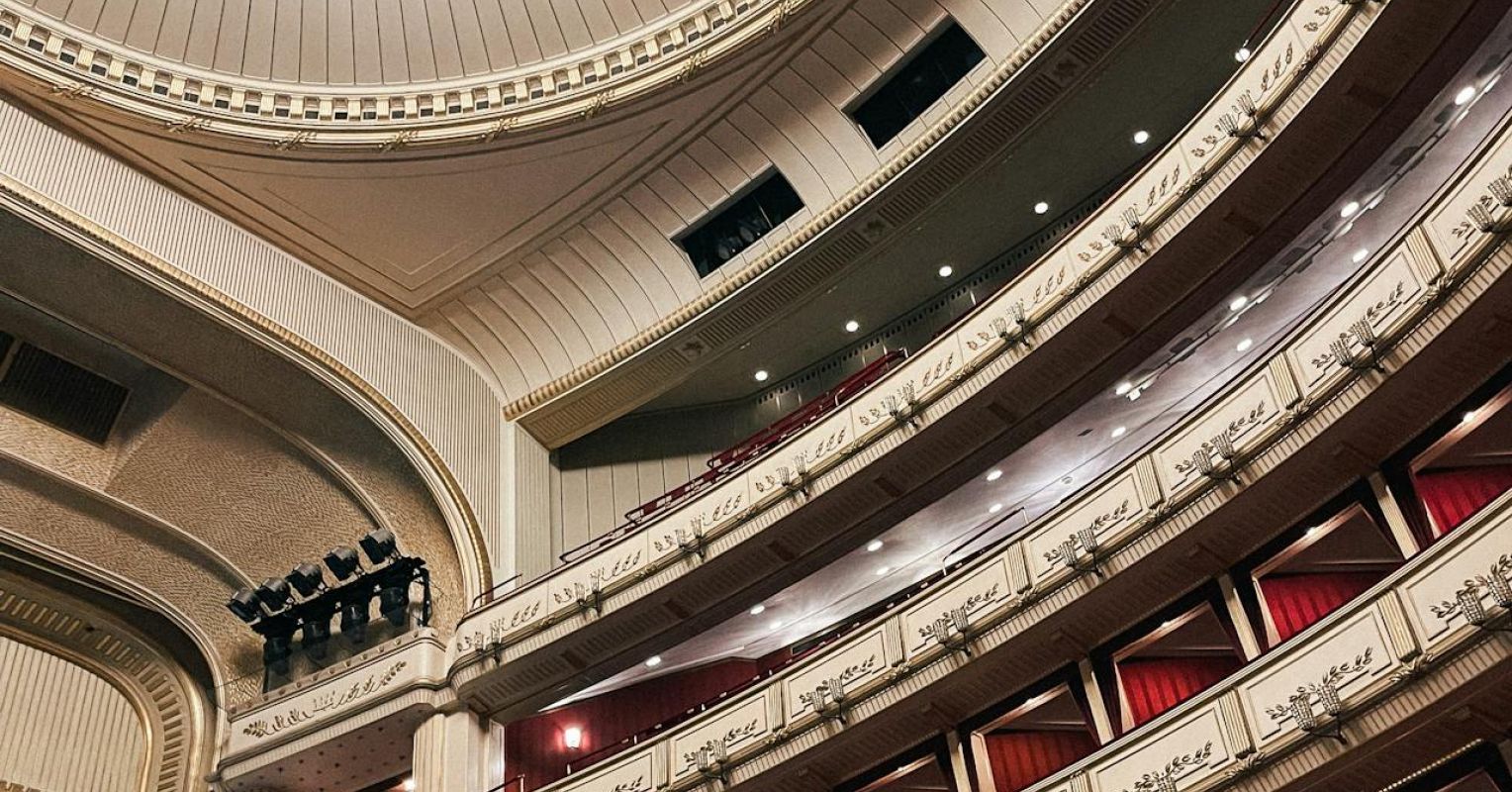
"We are wired for shared artistic experiences. Art is not just "content" to be consumed. It is the connective tissue of our shared history and part of how our nervous systems learn."
"From a market perspective, the performing arts can feel fragile. We live in an era of hyper-personalized streaming, AI-generated content, and algorithms designed to keep us scrolling individually. A three-hour opera or a traditional ballet can seem like a relic of a bygone age."
Shared artistic experiences fulfill fundamental human needs for connection that transcend market-driven assumptions about their relevance. Performing arts like opera and ballet persist as cultural touchstones despite competition from streaming and digital entertainment. Humans are neurologically designed to seek collective artistic engagement, which synchronizes physiological responses and emotional states across audiences. Historical examples demonstrate that transformative artistic moments—from The Rite of Spring to contemporary performances—create lasting generational impact. The performing arts function as connective tissue for shared history and cultural identity, operating beyond simple content consumption. Digital personalization and algorithmic entertainment cannot replicate the neurobiological benefits of live, collective artistic experiences that remain vital to human wellbeing and social cohesion.
#performing-arts #shared-experiences #neurobiology-of-art #cultural-connection #digital-age-relevance
Read at Psychology Today
Unable to calculate read time
Collection
[
|
...
]