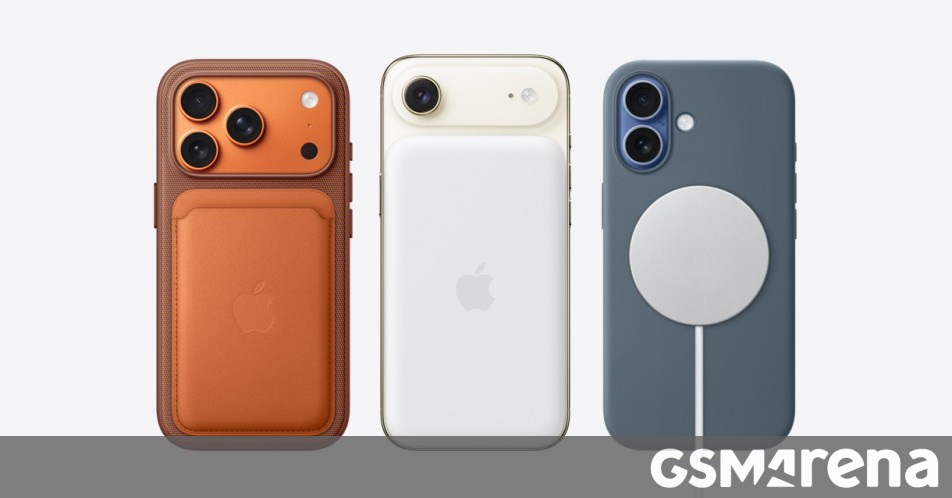
"Apple introduced MagSafe wireless charging in 2020 with the iPhone 12 series. In contrast to regular wireless charging, it uses magnets rather than relying on manual alignment between the charging coils or on gravity to keep the phone and charger together. It is a simple, cheap and effective solution. So why is it that smartphone makers have been so reluctant to adopt it, even years after the Qi standard officially added a Magnetic Charging Profile?"
"First, a bit of history. The HMD Skyline was the first Android to feature built-in magnets. Then, several Chinese makers adopted a half measure - magnets inside select cases. But now Google has jumped on the bandwagon with the Pixel 10 series and Pixelsnap accessories. Also, Samsung's Magnet Wireless Charger has already surfaced ahead of the Galaxy S26 series launch."
MagSafe-style magnetic charging uses built-in magnets to align the phone and charger, improving efficiency and reducing heat from misaligned coils. Apple introduced MagSafe in 2020 with the iPhone 12. Early Android adoption lagged: HMD Skyline was first with built-in magnets, some Chinese makers added magnets in select cases, and now Google added support with the Pixel 10 and Pixelsnap, while Samsung’s Magnet Wireless Charger has appeared. Magnetic attachment also enables many accessories such as car mounts, wallets, camera grips, external SSDs, and controllers. Android phones missed accessory ecosystem benefits while adoption stalled. Magnetic charging support influences future phone-buying decisions.
Read at GSMArena.com
Unable to calculate read time
Collection
[
|
...
]