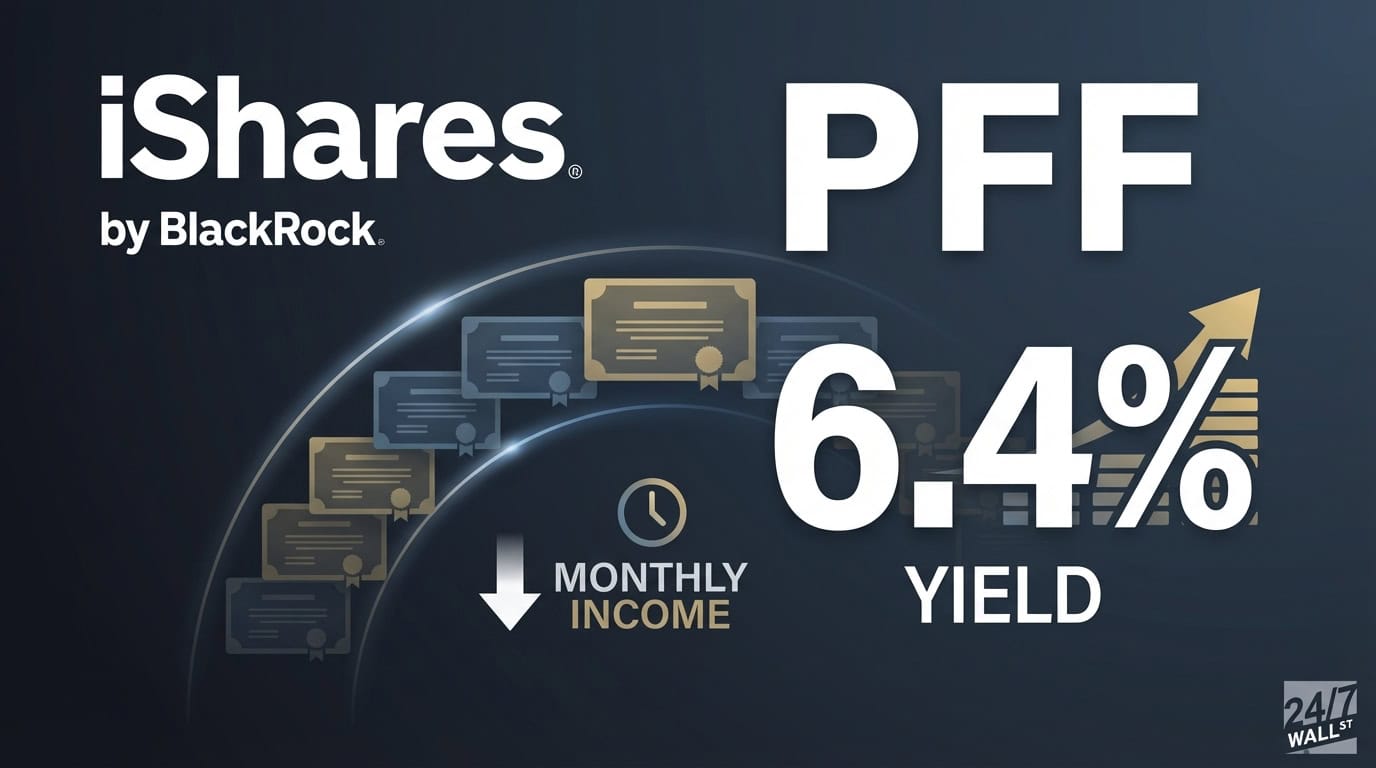
"Preferred shares represent a hybrid form of ownership. They're classified as equities for accounting and capital structure purposes. However, this asset's cash flows resemble debt. Holders receive fixed or floating dividends that must be paid before common shareholders see a cent, giving these securities a senior position in the payout hierarchy."
"The appeal of preferreds often emerges during late-cycle environments. That is, when interest rates are high and common stock valuations start to compress. The income from preferred dividends (typically in the 5%-7% range for quality issuers) can look quite attractive against a backdrop of slowing growth."
"Financial institutions are especially active issuers. I'm taking about banks, insurers, and utilities, who frequently sell preferred shares to meet regulatory capital requirements while maintaining operational flexibility. For investors, buying preferreds from these well-capitalized sectors can offer a blend of yield and reliability not often found elsewhere."
Preferred shares represent a hybrid security combining equity and debt characteristics. They provide fixed or floating dividends paid before common shareholders receive distributions, offering senior positioning in the payout hierarchy. Unlike bonds, preferreds lack principal repayment guarantees; unlike common stock, they typically lack voting rights. This asset class appeals particularly during late-cycle environments when interest rates are elevated and common stock valuations compress. Quality issuers typically offer dividend yields between 5-7%. Financial institutions including banks, insurers, and utilities frequently issue preferreds to meet regulatory capital requirements while maintaining operational flexibility. Preferred shares bridge the gap between bonds and equities, providing stability and income without the volatility associated with growth equities.
Read at 24/7 Wall St.
Unable to calculate read time
Collection
[
|
...
]