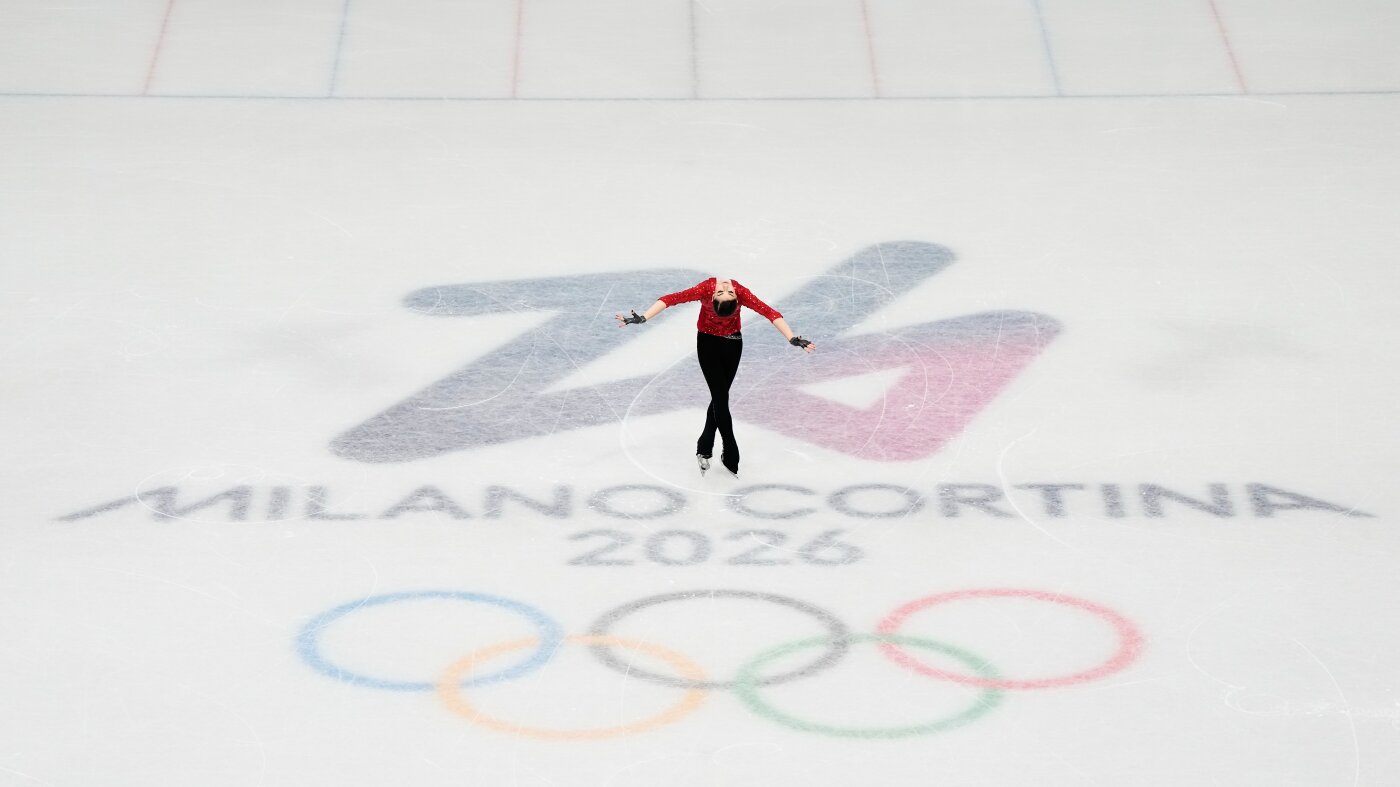
Nearly 3,000 athletes competed at the Milan Cortina Winter Olympics in Italy, showcasing athleticism and national pride. The word 'Olympics' has roots in ancient Greece linked to Mount Olympus and the town of Olympia, a sacred sanctuary where gods and humans were said to meet. The first ancient Olympic Games began around 776 B.C.E., with athletes competing naked, strict punishments for false starts, and medals of silver and bronze. The games and the name disappeared during the Dark Ages after the Roman Empire's fall. Interest in ancient Greece and the Olympics revived during Europe's Renaissance, inspiring events like the Cotswold Olimpick Games and late 1800s Zappas Olympics.
"Nearly 3,000 athletes have faced the icy rinks and snowy ramps in Italy for the Milan Cortina Winter Olympics. The Olympic Games are host to rare athleticism and national pride. So before we bid the Games adieu in just a few short days, let's commemorate the "Olympics" for this iteration of NPR's Word of the Week. Where the word comes from The word "Olympics" is rooted in ancient Greece."
"In Greek mythology, the gods would descend from Mount Olympus into the town of Olympia to gather and socialize with humans, according to Matthew Llewellyn, co-director of the Center for Sociocultural Sport and Olympic Research at California State University, Fullerton. 'Olympia itself was kind of a sacred space,' he said. 'It was a sanctuary.' The first ancient Olympic Games began sometime around 776 B.C.E., Llewellyn said."
"But after about 1,000 years of these games, the competition, along with the word, was lost during the Dark Ages, or the aftermath of the fall of the Roman Empire. Like the flame of the Olympic torch, however, interest in ancient Greece and the Olympics was reignited during Europe's Renaissance era. People had begun reading about the ancient Olympics and conducting archaeological excavations of Olympia, Llewellyn said."
Read at www.npr.org
Unable to calculate read time
Collection
[
|
...
]