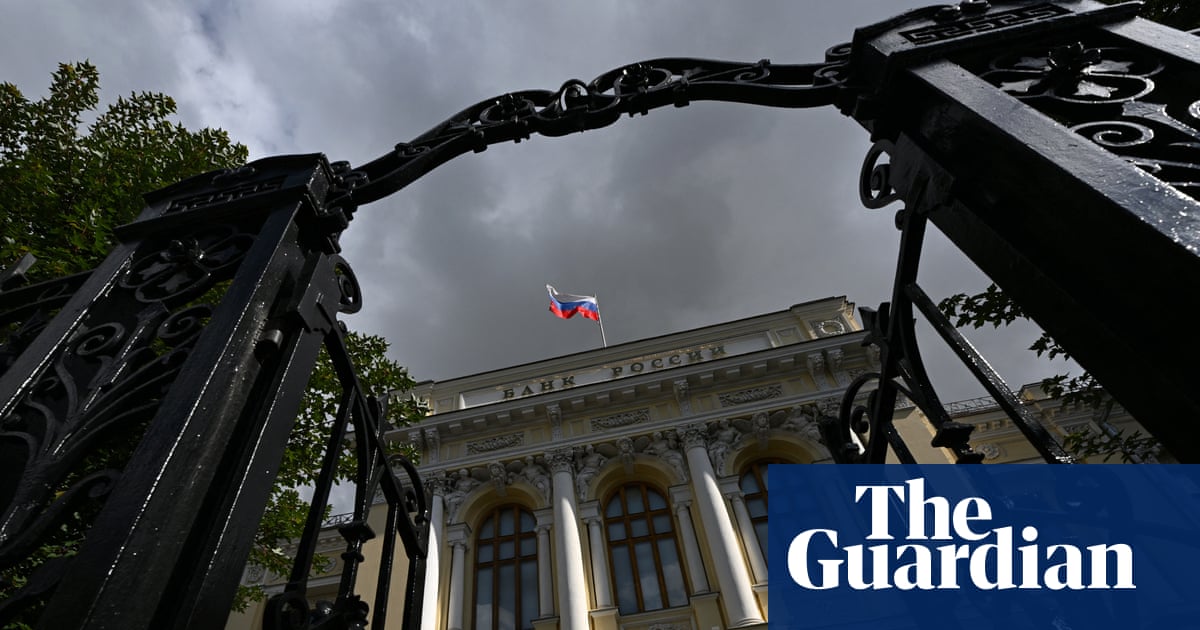
"After months of debate, EU leaders will decide on Thursday whether or not to use Russia's immobilised assets to fund Ukraine in what could be a make-or-break moment for Europe. The EU has frozen 210bn (184bn, $247bn) of Russian central bank assets which are mostly held at Euroclear in Brussels. As the fourth anniversary of the full-scale invasion approaches, the EU wants to use this money to generate a loan for Ukraine."
"Under the complex plan, the EU would borrow from Euroclear to provide Ukraine with an initial 90bn loan, about two-thirds of Kyiv's funding needs for 2026 and 2027. The EU expects Ukraine's other allies to provide the rest. Kyiv would only repay the money to the EU if and when Russia agreed to pay reparations for the colossal damage inflicted during the war. The EU would then repay Euroclear."
"Throughout the cycle, Russia would remain the legal owner of the assets. Euroclear, often described as a bank for banks, was until recently a little known part of global financial plumbing. It is now looking after 40.7tn worth of assets for its clients, who include central banks, investment banks and supranational organisations. The company has its roots in the Belgian outpost of what became the Wall Street bank JP Morgan."
The EU has frozen €210bn ($247bn) of Russian central bank assets, mostly held at Euroclear in Brussels. EU leaders are poised to decide on using the immobilised assets to generate a €90bn loan to cover about two-thirds of Ukraine's 2026–27 funding needs, with other allies expected to supply the remainder. Kyiv would repay the EU only if and when Russia agrees to pay war reparations, and the EU would then repay Euroclear, while Russia would remain the legal owner throughout. Euroclear is a large securities settlement system managing €40.7tn for clients including central banks. Touching the assets remains controversial but gained momentum after Germany's chancellor backed a non-confiscation plan.
Read at www.theguardian.com
Unable to calculate read time
Collection
[
|
...
]