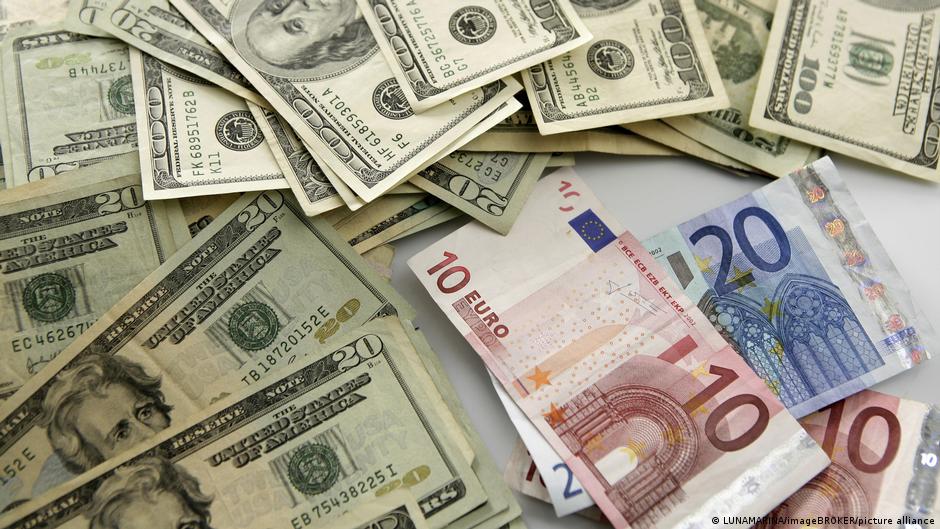
"The US dollar continues to fall sharply in value against other major currencies, continuing the trend that saw its steepest annual drop in almost a decade in 2025. The dollar fell by 1.3% against a basket of currencies on Tuesday, meaning that it has fallen by 2.6% since the start of 2026. It slumped by 9.5% in 2025. The fall in the dollar has implications for the euro and other currencies."
"The single European currency has now hit the $1.2 level for the first time since 2021, while the British pound and Japanese yen have also reached recent highs against the US currency. Several economists and analysts have attributed the dollar's continuing decline to a lack of investor faith in the US currency amid continuing concern over unpredictable policymaking from US President Donald Trump."
"When asked this week if he was concerned by the dollar's fall in value, he said: "No, I think it's great." Stephen Miran, a former chairman of Trump's Council of Economic Advisers and now a member of the Board of Governors of the US Federal Reserve, published a "User's Guide to Restructuring the Global Trading System" in November 2024 with possible tools for correcting the trade deficit, mentioning specifically tariffs and devaluation of the dollar as the main instruments."
The US dollar has continued a sharp decline, falling 9.5% in 2025 and an additional 2.6% so far in 2026. The euro has risen to $1.20, its highest since 2021, while the pound and yen have also reached recent highs versus the dollar. Economists attribute the dollar's fall to investor distrust amid unpredictable US policymaking and signals from the administration favoring a weaker currency to boost exports. President Trump expressed approval of the weaker dollar, and some policymakers have explicitly proposed tariffs and devaluation as tools to correct trade imbalances. The dollar's weakness has significant consequences for eurozone economic performance and labor markets.
Read at www.dw.com
Unable to calculate read time
Collection
[
|
...
]