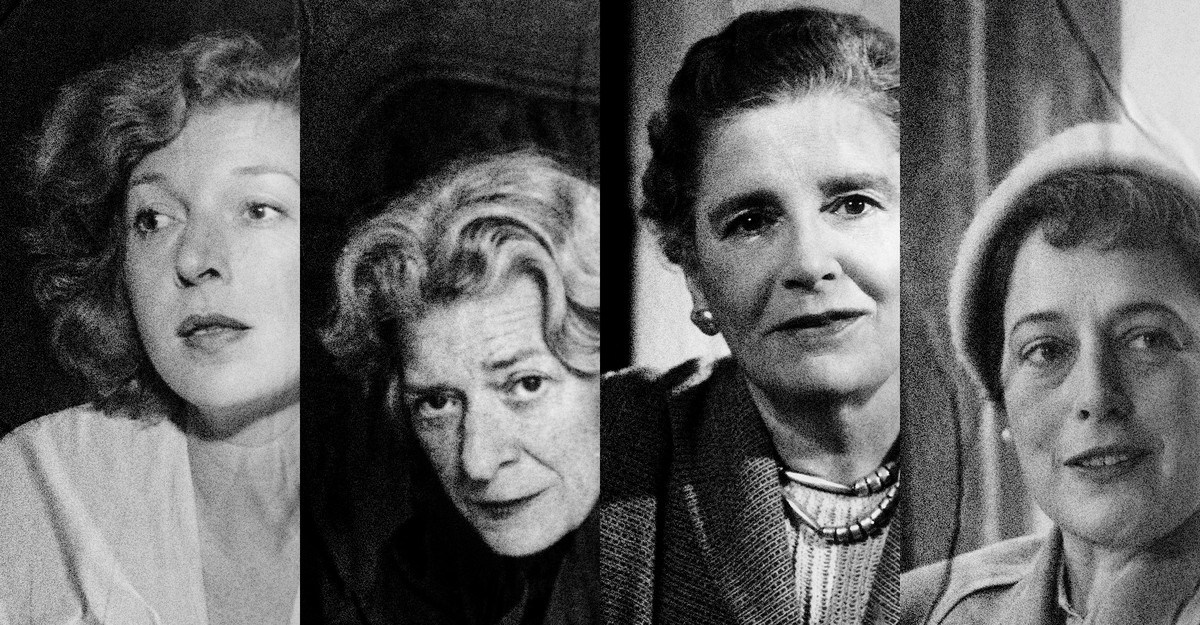
"Women were handed nothing. In many cases, when they were interested in doing serious, international stories—say, reporting on a war—they had to tell editors that they happened to be going anyway, and ask: Should they send some articles? These women's lack of access led to a resourcefulness that animated their subjects as well as their style."
"From 1917 to 1920, The New York Times proclaimed the imminent collapse of Communism in the newly formed Soviet Union more than 90 times. Over drinks as often as in briefing rooms, reporters (mostly men) had taken other men's word for it."
"Because female reporters were banned from battlefields, they had to get creative in finding an angle that could illuminate the larger conflict. If they couldn't go to the front lines, they would write about the hospital, or the home front. They had to use their voice, their style, to make the most of those subjects."
During a period of crisis in modern journalism, two new books examine pioneering female journalists from the 1930s and 1940s who broke social norms to report on major historical events. These women faced systematic exclusion from traditional journalism circles and battlefield access, forcing them to develop innovative reporting strategies and distinctive writing styles. Their outsider status prevented them from participating in the insularity and groupthink that plagued male-dominated newsrooms, exemplified by The New York Times' repeated false predictions about Soviet collapse. Barred from front lines, female reporters found creative angles through hospital and home front coverage, establishing precedents for New Journalism that male writers later received credit for inventing.
#women-journalists-history #journalism-innovation #1930s-1940s-reporting #gender-exclusion-in-media #new-journalism-origins
Read at The Atlantic
Unable to calculate read time
Collection
[
|
...
]