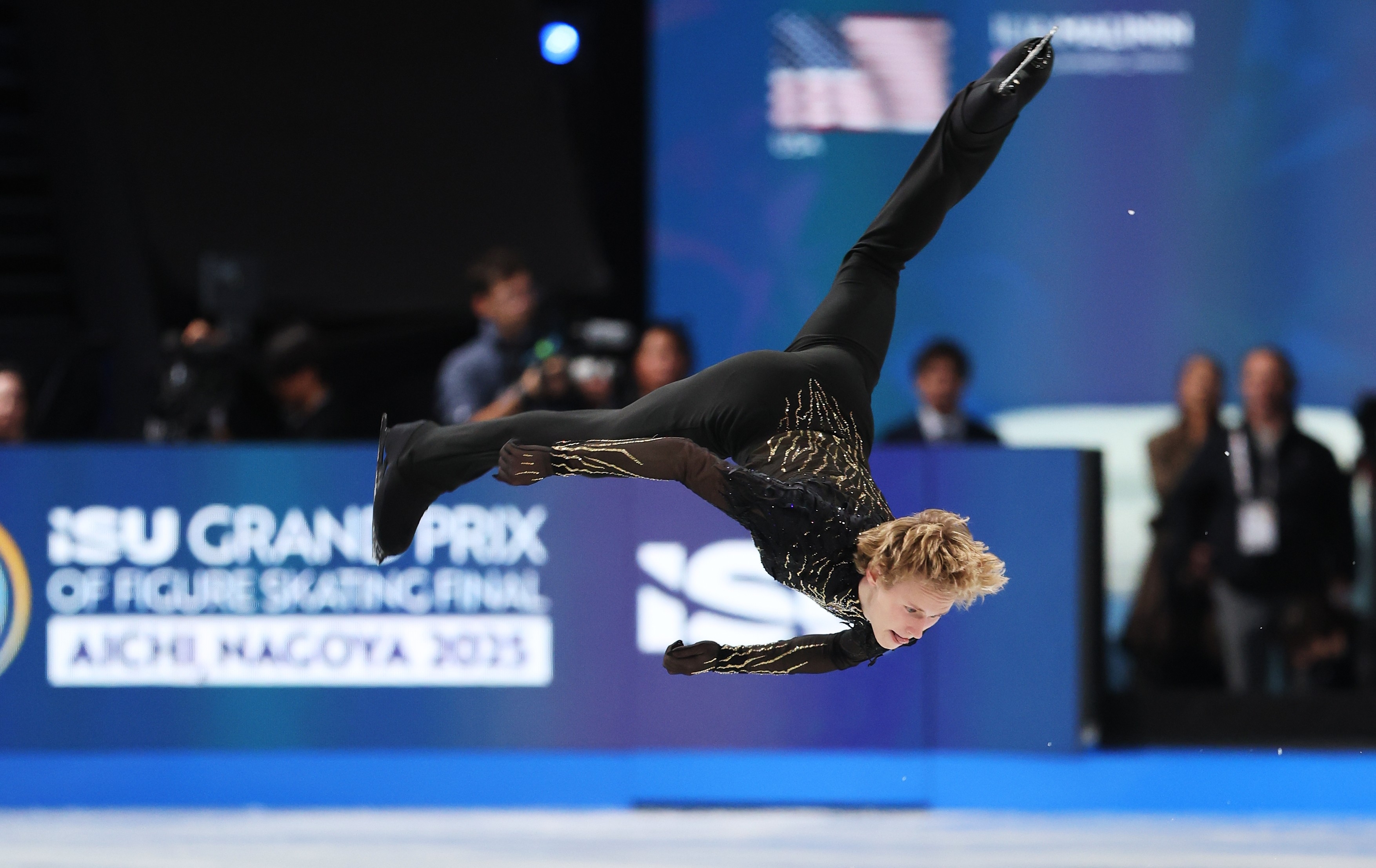
Figure skating offers few elite opportunities each year and relies on subjective judging, making single errors disproportionately costly for competitors. Program execution is inconsistent, and top skaters often face long waits for major chances. Ilia Malinin performs elements no one else can, including a quad axel, and strings together unprecedented numbers of quads. His technical difficulty and consistency minimize the usual role of chance. He squeezed seven quads into a World Championships free skate and still won by 30 points despite imperfections. At the Grand Prix Final in Nagoya he skated a clean seven-quad program and set a world record.
"Over the course of a single year, they will, if they are fortunate, get six elite-level opportunities to prove what they can do. Factor in that program execution, especially for the quad-defined men's event, is inconsistent, and that skaters are fundamentally at the whims of a subjective judging panel, and the sport itself can start to feel like a cruel game of chance."
"So the absurdity of Ilia Malinin in this era of figure skating is not simply that he can perform elements that no one else can- a quad axel!-or string together a number of jumps that no one else can match- seven quads! -but that he is so technically gifted and so consistent that he appears immune to the terrible whims of chance that his competitors are subject to."
"On Saturday, at the Grand Prix Final in Nagoya, Japan, he tried out a seven-quad program and he skated it clean, becoming the first man to do so and shattering the men's free program world record last set by, well, Ilia Malinin, the last time he stepped on ice. It's easy to forget that after failing to execute a quad axel combination that had never been done before in the short program, Malinin was in third, 14 points back from first place."
Read at Defector
Unable to calculate read time
Collection
[
|
...
]