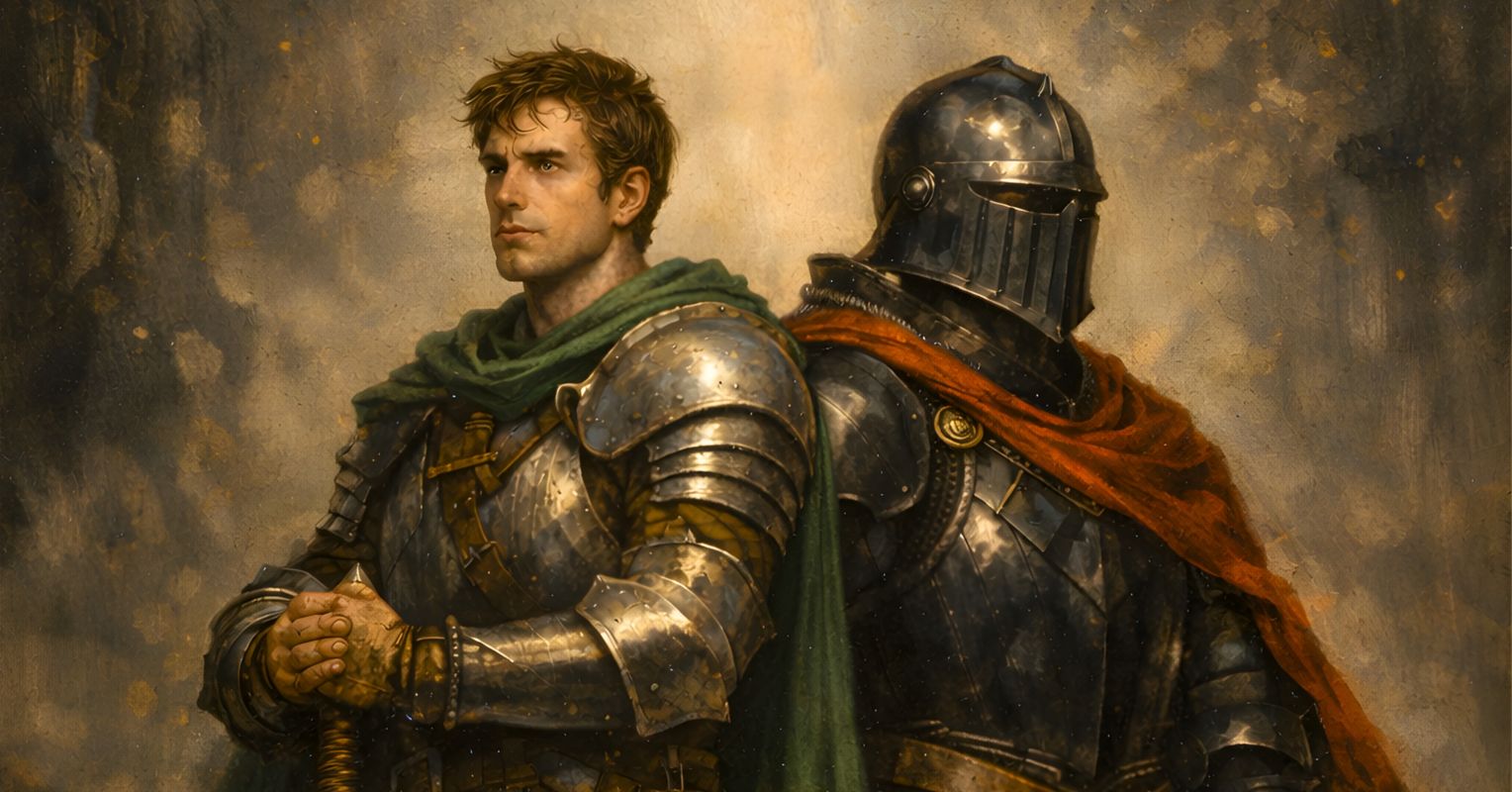
"For decades, we smallfolk have been told that goodness is naïve, that moral grayness is sophistication, and cynicism is cleverness. Turns out, we do not want it. Most of us can only take an endless string of villains, liars, and normalized nastiness for so long. Our battered nervous systems want a hero to root for who would not lie to us or betray us."
"Call it naïve but this is what the human psyche is wired for. In a world that is already unstable, we are looking for believable goodness. Flawed, costly, non‑saccharine goodness that can nevertheless stand up to brutality. Goodness that may have to sleep under the stars, but has a working moral compass."
"A hero is not just some "tired trope." A hero serves a true psychological and cultural need of protecting others and providing moral examples. And when life is hard, we need heroes even more."
Society has long promoted cynicism and moral grayness as sophisticated, yet audiences demonstrate a genuine hunger for authentic goodness and heroic characters. The success of HBO's "A Knight of the Seven Kingdoms" reflects this psychological need for believable, flawed heroes with working moral compasses. People's nervous systems require respite from endless villainy and normalized nastiness. Heroes serve essential psychological and cultural functions by protecting others and providing moral examples, particularly during difficult times. As moral hunger becomes visible, pretenders emerge attempting to exploit this need through propaganda and performative displays of virtue.
Read at Psychology Today
Unable to calculate read time
Collection
[
|
...
]