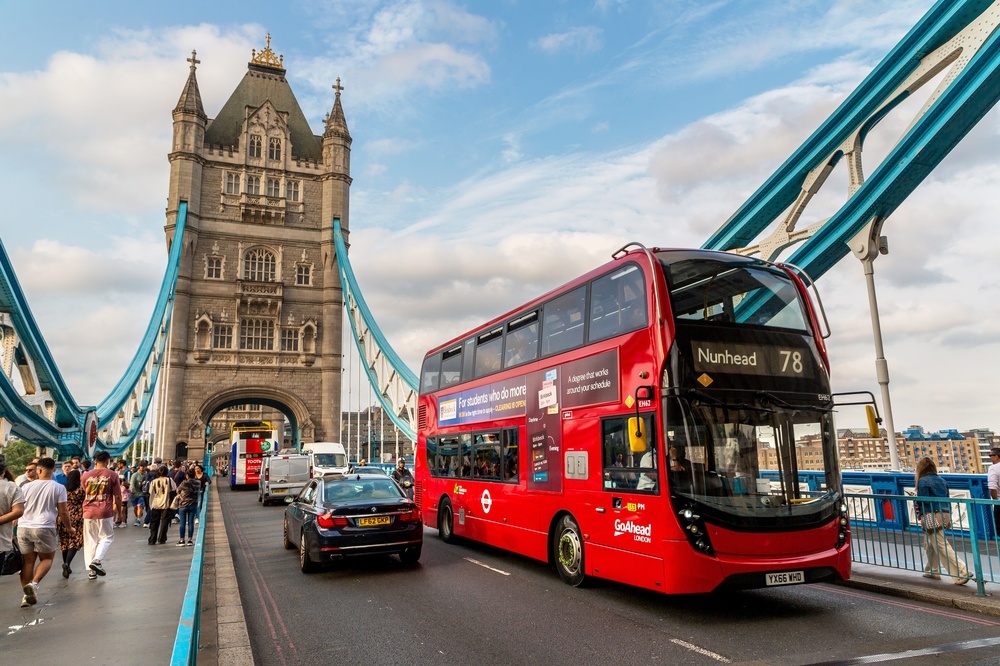
"It took an average time of three minutes and 38 seconds to travel one kilometer (0.6 miles) in 2025, an increase of four seconds from three minutes and 34 seconds in 2024. London's congestion level - a percentage measured by comparing ideal freeflowing traffic times with the actual traffic times - rose from 50.6 to 51.6. Free-flow travel times also rose, increasing by one second to two minutes and 23 seconds per kilometre."
"The average London driver lost 141 hours - or five days and 21 hours - stuck in rush hour traffic last year, putting it among the top 20 cities globally for time lost in traffic. The UK capital was the second slowest in the world, with only drivers in Colombia's Barranquilla spending more time stuck in traffic jams. It was slower to get from A to B in London than in India's Bengaluru and Kolkata which came in third and fourth respectively."
TomTom data ranks London as the slowest city in Europe and the second slowest worldwide for traffic congestion. Average travel time per kilometre rose to three minutes and 38 seconds in 2025, up four seconds from 2024. Congestion level increased from 50.6% to 51.6%, while free-flow travel time increased by one second to two minutes and 23 seconds per kilometre. The average London driver lost 141 hours (five days and 21 hours) in rush-hour traffic. Only Barranquilla had worse delays; other slow cities include Bengaluru, Kolkata, Dublin, Mexico City, Lima, Trujillo, Davao City and Kyoto. Infrastructure changes have not improved free-flow conditions.
Read at Time Out London
Unable to calculate read time
Collection
[
|
...
]