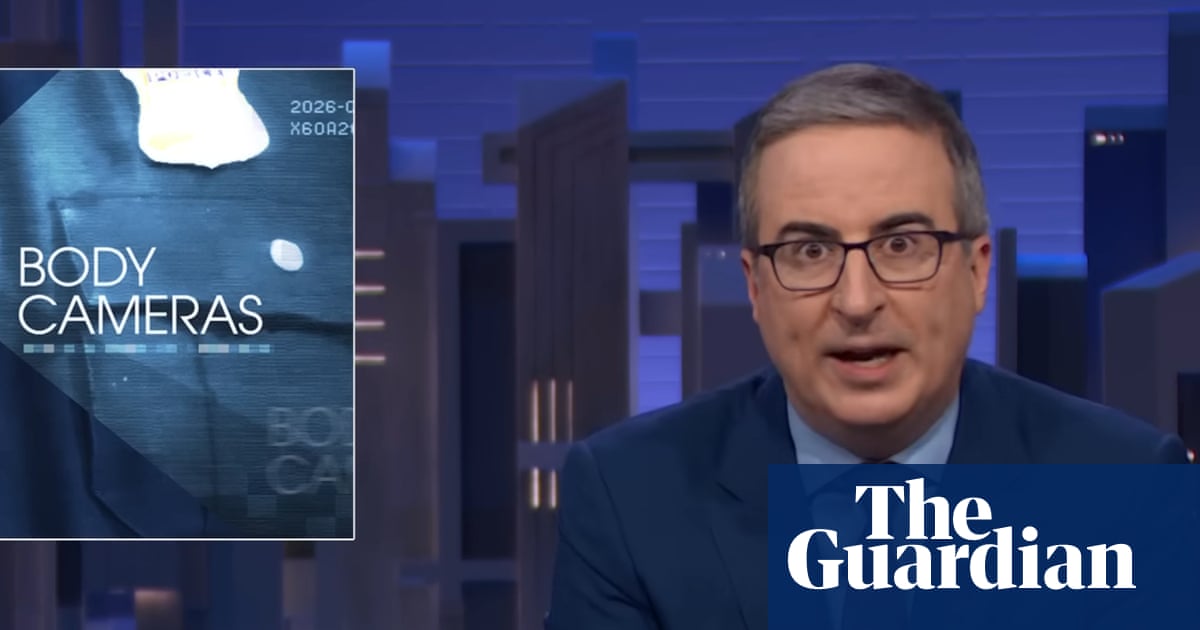
Police bodycams, promoted as a major transparency solution in law enforcement, have significant limitations that reduce their effectiveness. Cameras capture only restricted viewpoints that can be incomplete or misleading. Officers frequently mute, obscure, or turn off cameras, sometimes intentionally. Some states have laws permitting cameras to be disabled during breaks, personal business, or encounters with undercover officers and informants. While bodycams seem appealing as accountability measures, particularly in discussions about ICE agents and police interactions, their practical implementation reveals they often fail to provide reliable documentation of police conduct.
"Bodycams have been viewed as a popular solution regarding transparency in law enforcement, with many Democratic lawmakers currently calling for masks off, body cameras on in negotiations over the Trump administration's Immigration and Customs Enforcement (ICE) agents in US cities. That notion that bodycams could be a way of calming down interactions with law enforcement is appealing, and it may be why it seems like we're about to slap them on the chests of all ICE agents across the country in the name of accountability."
"The more you look into bodycams, the more you realize they are only effective if used properly and in many cases, they are just not. Recordings are restricted to the camera's view, which can be incomplete or misleading. Those limitations get even more acute when cops mute, obscure or turn off their cameras, which happens, and sometimes on purpose."
"Some states, such as Connecticut, have laws mandating body cameras be turned off during encounters with undercover officers or informants, when an officer is on break or engaged in personal business, or when an officer is engaged in personal business."
#police-accountability #bodycam-limitations #law-enforcement-transparency #ice-oversight #police-reform
Read at www.theguardian.com
Unable to calculate read time
Collection
[
|
...
]