"they rose on the dubious promise of constructing a national artistic identity, one achieved through those mystical, romantic landscape ­paintings that depopulated the rugged North. Indigenous peoples, when they appeared at all, did so without any faces. And so, with the aggressive support of the National Gallery of Canada, appraised by the art historian Joyce ­Zemans in her 1995 essay "Establishing the Canon," they succeeded in influencing "the entire country's idea of what was Canadian about Canadian art.""
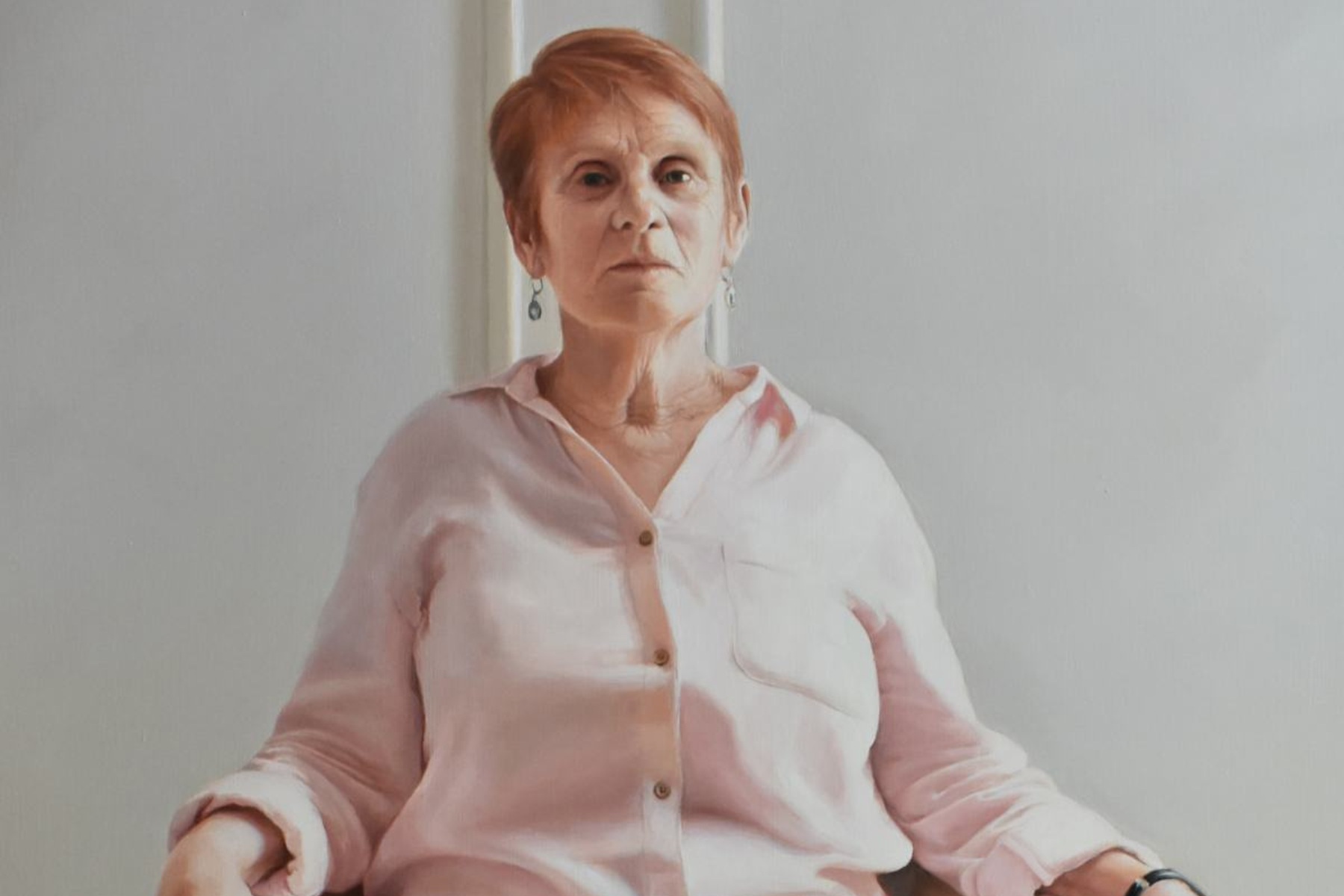
"The Kingston Prize, in a sense, was created to ­rescue the form from its interminably faceless underpaintings. Founded by Queen's University professor Julian Brown and his wife, Kaaren, in 2005, the ­biennial ­portrait ­competition does more than promote Canadian ­artists and offer them a chance at winning $25,000. It also vies to produce "a visual history of ­national life" by way of the country's many faces."
The Group of Seven established a national artistic identity through mystical, romantic landscapes that presented Canada as luminous, desolate, verdant, and virtually empty of human life. Indigenous peoples were marginalized or depicted without faces within that canon. The National Gallery of Canada actively supported and helped shape that national conception of Canadian art. The Kingston Prize was founded in 2005 to revive portraiture and to construct a visual history of national life by showcasing faces. The biennial competition awards $25,000 and archives finalists' works that reflect cultural and sociopolitical concerns, including social media, political events, and pandemic-era medical sacrifices.
Read at The Walrus
Unable to calculate read time
Collection
[
|
...
]