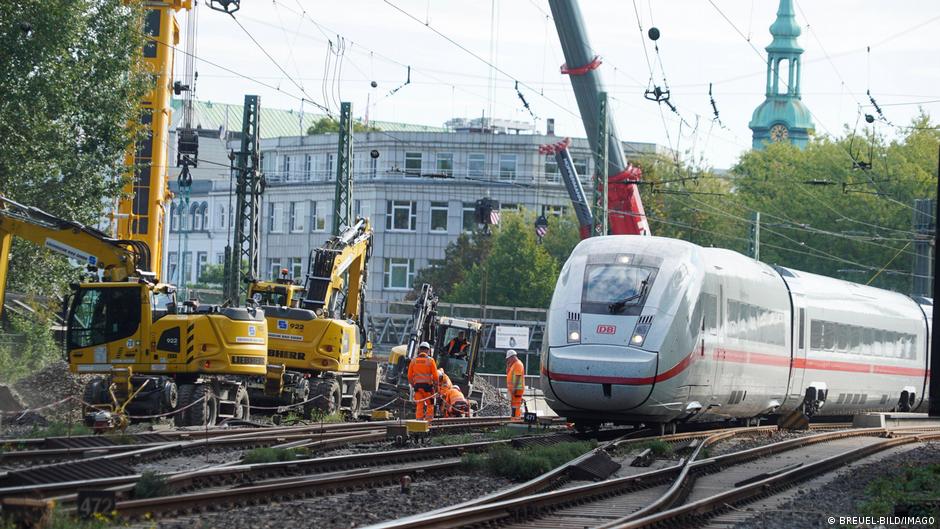
"Anyone who has traveled by train in Germany in recent years is at this point well prepared to wait, sometimes hours, for their train. Mass delays and cancellations, seemingly endless small repairs disrupting traffic in key commuting areas, and overcrowding are just some of the issues facing passengers who rely on Deutsche Bahn in their daily lives. Since coming into power in early 2025, the government of Chancellor Friedrich Merz has repeatedly promised to fund major rail projects that had already been planned. Of the 500 billion ($585 billion) in controversial new debt taken on by his administration150 billion was earmarked for train work. Indeed, Merz said several times over the course of 2025 that "everything with finished plans will be built.""
"However, the government appears to have quietly backed out of some of those promises, while simultaneously shifting more money towards building new highways. To view this video please enable JavaScript, and consider upgrading to a web browser that supports HTML5 video Public broadcaster ARD first reported the shift when the government was compelled to respond to a parliamentary request from the opposition Green Party."
"Outdated and overloaded The Verkehrsclub Deutschland (VCD), one of the country's top NGOs for sustainable transportation, told DW that "allocating three billion euros from the budget to finance new road construction and expansion, while thousands of bridges across the country are crumbling," and Deutsche Bahn is staggering further into decline, is unconscionable."
Rail passengers in Germany routinely face long waits, mass delays, cancellations, frequent small repairs disrupting commuting corridors, and overcrowding. The government under Chancellor Friedrich Merz pledged significant rail investment in early 2025, earmarking 150 billion euros from new debt for train projects and promising to build all plans that were finished. The government later scaled back some commitments and redirected funds toward new highway construction, canceling planned eastern European connection renovations and an electrification project in eastern Germany. The reallocation has raised concerns about neglect of the former East, and sustainable-transport groups and rail experts criticized prioritizing roads while rail infrastructure and bridges deteriorate.
Read at www.dw.com
Unable to calculate read time
Collection
[
|
...
]