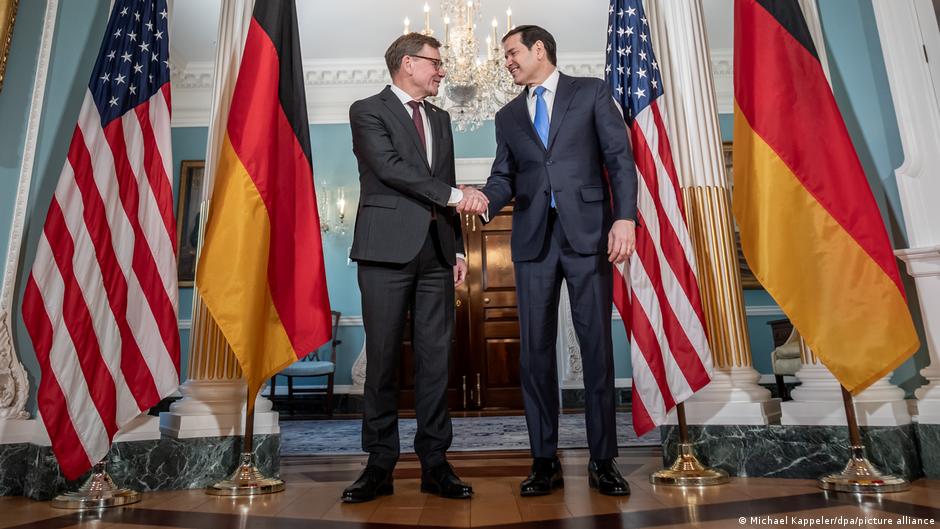
"But keeping the US engagedand ensuring Germany stays engaged with the USdemands a different approach. For a German foreign minister, representing the world's third-largest economy, and his team, flexibility becomes the currency of access. And in Washington, one thing is unmistakable: the Germans want something from the Americans. Some would say more than the Americans want from them. So they take whatever slot, however small, is offered."
"On Sunday, word comes that Secretary of State Marco Rubio won't make the planned Monday morning meeting. Schedules are tossed, security checks reshuffled, driver logistics reworked for the afternoon. At least that frees up time for the World Bank president. Rubio ends up talking slightly longer with Wadephul than planned? No complaintthey grab every minute, skip their train to New York, and rebook everything for a later departure. A potential opportunity for further political talks on Tuesday? The entire trip is extended."
Trips are normally choreographed to the minute, providing predictability for diplomats, advisers, drivers, logisticians, journalists, and newsrooms. Germany's foreign minister adopts flexibility to maintain US engagement and maximize access. The German delegation accepts short or shifting meeting slots, modifies travel plans, and extends visits to seize political opportunities. Scheduling changes, such as Secretary of State Marco Rubio canceling a morning meeting, triggered reshuffled security checks and logistics. The delegation skips a train, rebooks departures, and lengthens the trip to pursue further talks. The core message emphasizes mutual need and that disagreements among partners are normal.
Read at www.dw.com
Unable to calculate read time
Collection
[
|
...
]