"EUDCA secretary general Michael Winterson told The Register that growth forecasts were revised upward from 14 percent to 17 percent CAGR between 2025 and 2031 - "an extra five or six gigawatts of capacity on top of last year's forecast." This shows "geopolitics and energy access have not slowed down the animal spirits of our industry," he added. However, the sector faces challenges around power access, land availability, and acute skills shortages. "We're going to need 2.6 times the number of staff," Winterson said."
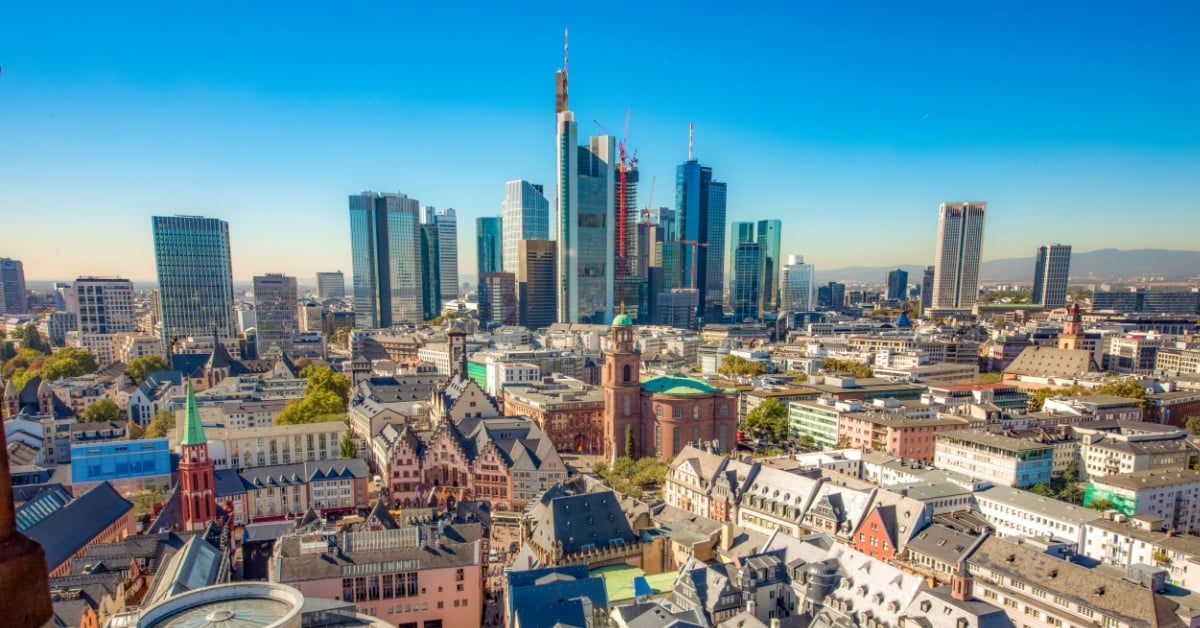
"The "FLAP-D" countries - Frankfurt, London, Amsterdam, Paris, and Dublin - will continue dominating colocation, the EUDCA report states, growing from 5.3 GW in 2024 to 11.5 GW in 2031. The UK, however, is projected to slip from first place to second, rising from 1.7 GW to 3 GW. Germany is forecast to surge from 1.45 GW to 4.2 GW. London's 1.2 GW is on track to grow to 2.1 GW, but Frankfurt will overtake it with 2.5 GW if estimations in the report are accurate."
Growth forecasts for European colocation datacenters were revised upward to a 17 percent CAGR between 2025 and 2031, adding an extra five to six gigawatts of capacity compared with last year’s forecast. The FLAP-D markets (Frankfurt, London, Amsterdam, Paris, Dublin) are projected to expand from 5.3 GW in 2024 to 11.5 GW in 2031. Germany’s national capacity rises from 1.45 GW to 4.2 GW, overtaking the UK, which grows from 1.7 GW to 3.0 GW. Frankfurt will reach 2.5 GW, surpassing London’s projected 2.1 GW. Ireland will lead hyperscale growth from 1.2 GW to 1.8 GW. The sector faces constraints in power access, land availability, and significant workforce shortages requiring roughly 2.6 times current staffing levels.
#colocation-datacenters #hyperscale-capacity #european-datacenter-market #energy-and-skills-shortage
Read at Theregister
Unable to calculate read time
Collection
[
|
...
]