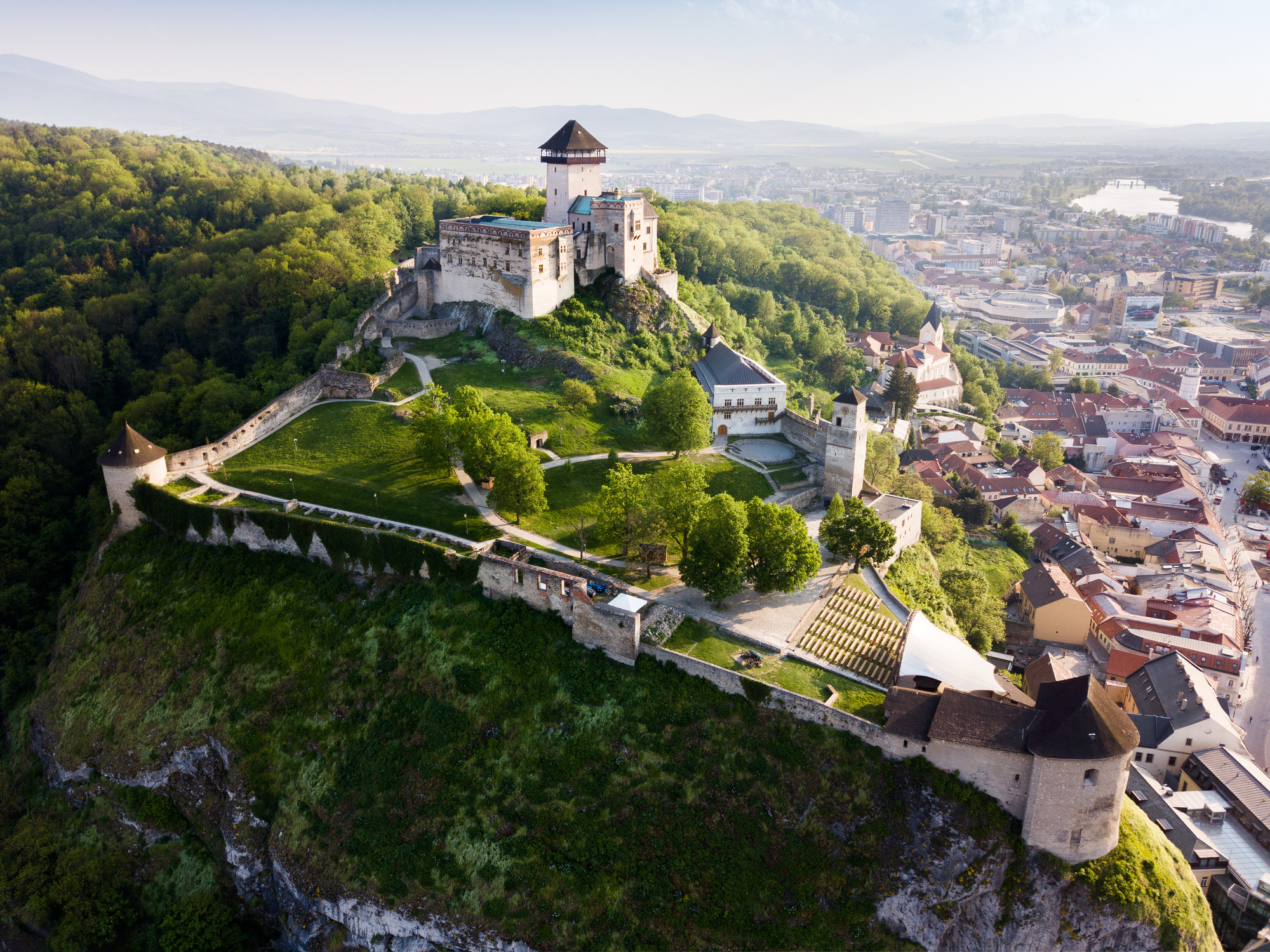
"It is designed to celebrate and promote cultural diversity on the continent, strengthen European citizens' sense of belonging to a shared cultural space, and foster culture's contribution to urban development. In practice, the designation has proven to be a catalyst for urban regeneration, tourism growth, the strengthening of cities' international profiles, and the improvement of how they are perceived by their own residents."
"The European Capitals of Culture selection process is overseen by the European Commission. Six years before the title year, the host Member States publish a call for applications, usually through their Ministry of Culture. Interested cities submit proposals that are assessed against established criteria during a pre-selection phase by a panel of independent experts in culture and culture-led urban development. The panel agrees on a shortlist of cities, which are then invited to submit more detailed applications."
The European Capital of Culture (ECoC) initiative began in 1985 and has been awarded to over 60 European cities. The program aims to celebrate cultural diversity, strengthen citizens' sense of a shared cultural space, and leverage culture for urban development. Designation often catalyzes urban regeneration, increases tourism, raises international profiles, and improves resident perceptions. Cities are designated four years before their title year to allow planning, partnership-building, and infrastructure preparation. The selection process is overseen by the European Commission and involves national calls, expert pre-selection, shortlisting, and final evaluation. Two cities are typically designated each year, reflecting EU-wide rotation.
Read at ArchDaily
Unable to calculate read time
Collection
[
|
...
]