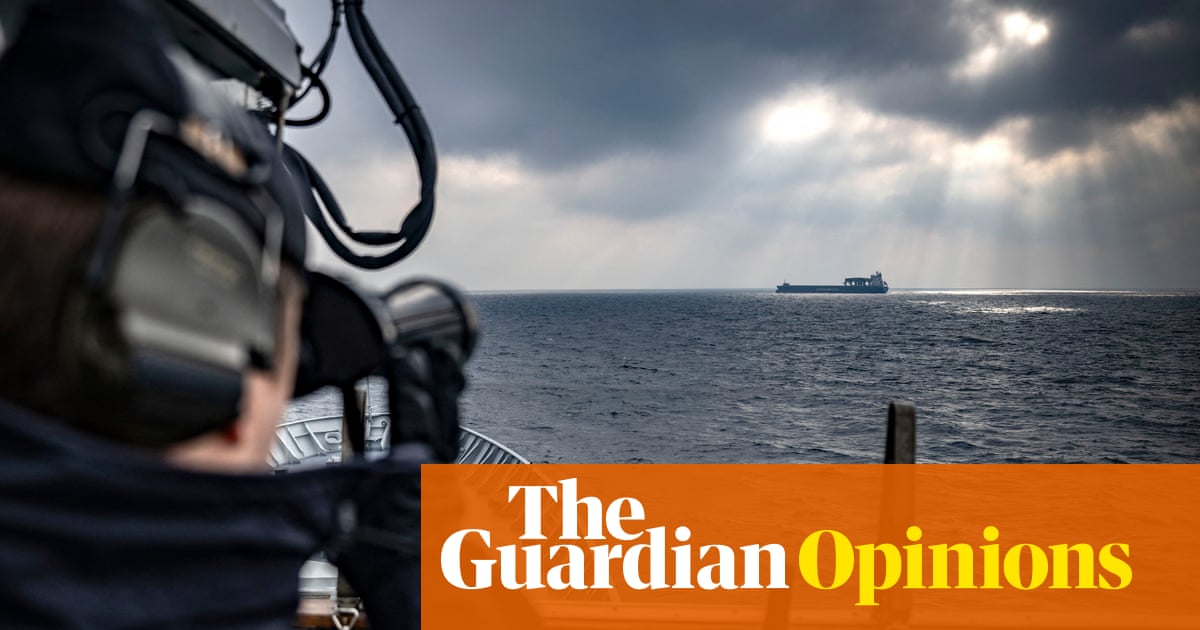
"When European countries in the Baltic Sea region joined Nato for protection against Russia, they were not anticipating their most powerful Nato ally would be the one threatening to seize territory from them. The shock of the Greenland crisis may have faded from the headlines, but Donald Trump's US has also suggested it may decide not to defend Europe. And Russia continues to be a nuisance in the Baltic Sea."
"To be sure, a few prophetic voices had been warning for years that undersea cables and pipelines were vulnerable to sabotage, but with virtually no suspicious incidents jeopardising this invaluable infrastructure, complacency set in. Then came the sabotage of Nord Stream, followed by the arrival of the Russian shadow fleet designed to dodge oil sanctions and the mysterious rupture of two cables and a pipeline in 2023."
Baltic Sea countries face a new security environment in which a major Nato ally has signalled uncertainty about defending Europe while Russia remains disruptive. Sabotage of undersea infrastructure, including the Nord Stream pipelines and later mysterious cable and pipeline ruptures, exposed critical vulnerabilities and prompted urgent regional cooperation. Coastal states improved information-sharing, launched the AI tool Nordic Warden to detect anomalies above cables and pipelines, and pursued closer maritime coordination. Finland proposed a maritime surveillance centre to strengthen capability and authority in territorial seas and exclusive economic zones, offering a potential model for future collective defence.
Read at www.theguardian.com
Unable to calculate read time
Collection
[
|
...
]