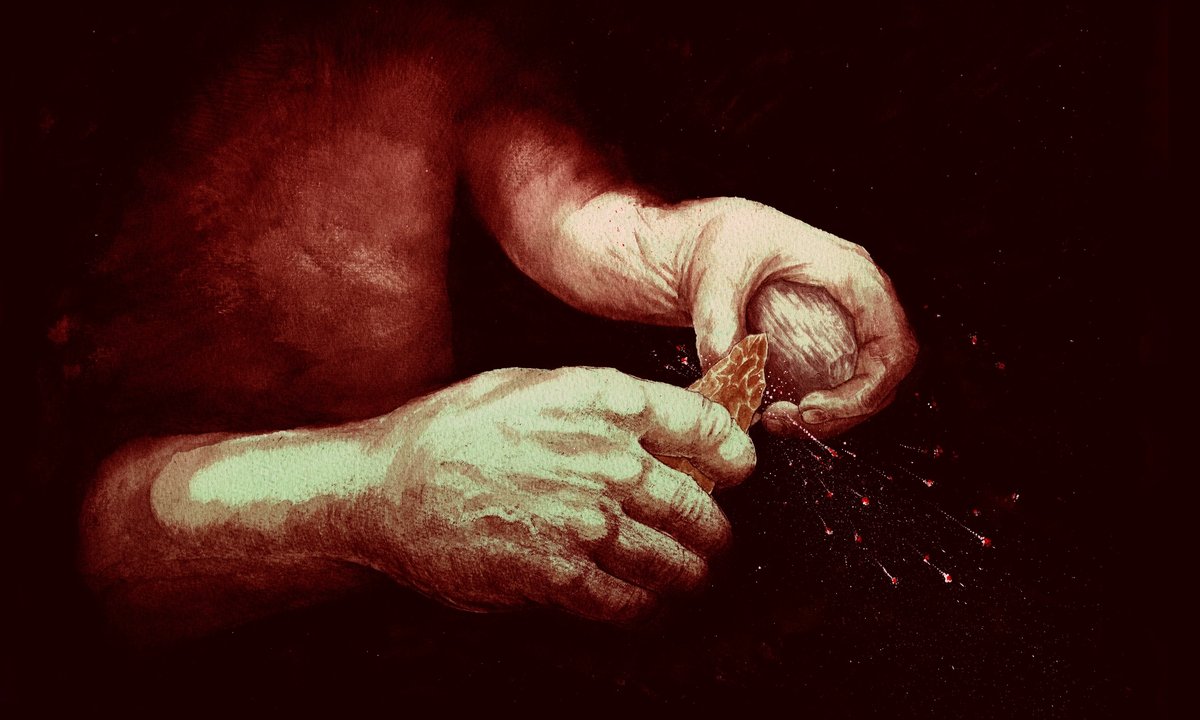
"The research team discovered a patch of heated clay, heat-shattered flint hand axes and two small pieces of iron pyrite at the Suffolk site, which were probably used by Neanderthal groups. The heated clay was not caused by a wildfire, say the team which carried out geochemical tests demonstrating that fires were repeatedly made at a particular location. Iron pyrite, a naturally occurring mineral, can be used to strike flint, creating sparks to ignite tinder."
"At a briefing held at the British Museum, Rob Davis, the curator for the project titled 'Pathways to Ancient Britain' at the British Museum, added that making fire 'made humans more adaptable and able to start occupying Northern territories.' Creating fire also enabled humans to cook food, fuelling brain growth, he said as boiling removes bacteria and parasites from meat, for instance."
Evidence from Barnham in Suffolk indicates humans made and controlled fire around 400,000 years ago. Excavations recovered heated clay, heat-shattered flint hand axes, and two small pieces of iron pyrite, likely used by Neanderthal groups. Geochemical tests demonstrate that fires were repeatedly made at a particular location and were not caused by wildfires. Iron pyrite can be struck against flint to produce sparks for igniting tinder. Mastery of fire increased adaptability, facilitated occupation of northern territories, enabled cooking that reduced pathogens and may have fuelled brain growth, and provided a social focal point.
Read at The Art Newspaper - International art news and events
Unable to calculate read time
Collection
[
|
...
]