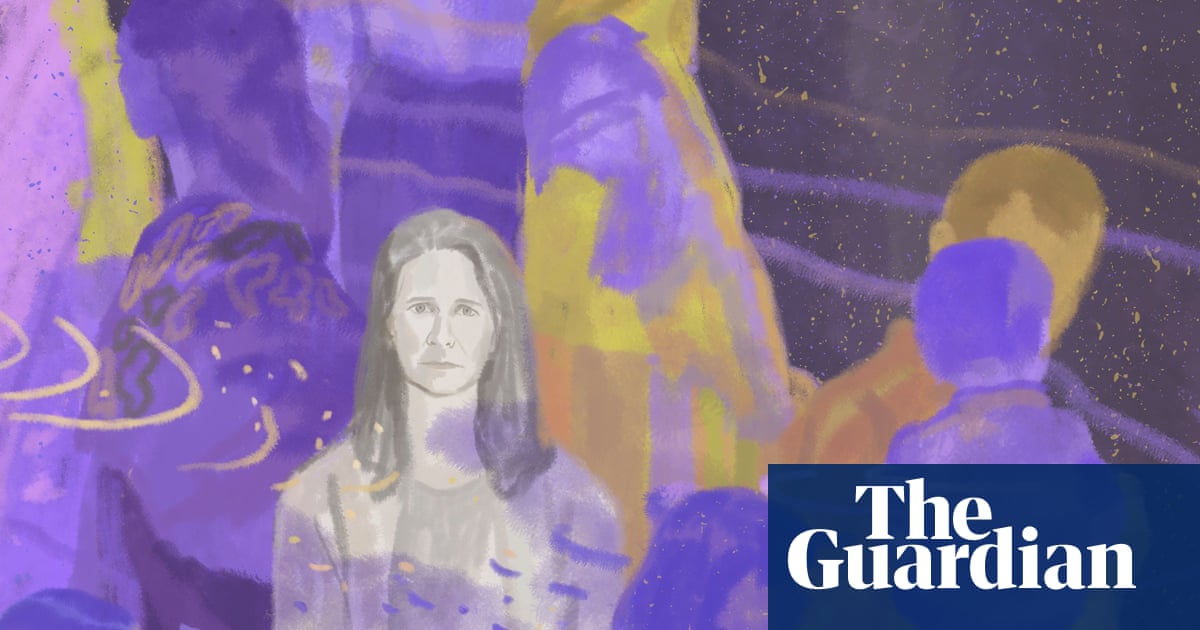
"Sixty percent of ASL, Courtney had just taught us, consists of non-manual markers, meaning most of the communication in ASL comes from facial expressions. Puffed cheeks, for example, indicates something big. Pursed lips means small."
"The word impaired implies a judgment about the functionality of my ears and me, meaning I saw myself as the broken one, not society's lack of accessibility or accommodations for people like me. Instead, I realized, I needed to start thinking of myself as hard of hearing, which is a neutral statement of fact: I am unable to understand human speech without amplification."
"It's our society that is impaired by placing multiple hurdles between me and my ability to communicate. Until that morning, I had internalized the shame of being hearing impaired, but hard of hearing felt like both a revelation and an imperative."
A hearing aid user attending ASL classes learns a crucial distinction in disability language from their deaf teacher. The term 'hearing impaired' carries judgment about personal functionality, causing the speaker to internalize shame and view themselves as broken. In contrast, 'hard of hearing' neutrally describes the inability to understand speech without amplification. This linguistic shift reframes the problem: rather than individual deficiency, communication barriers stem from societal lack of accessibility and accommodations. Non-manual markers like facial expressions comprise sixty percent of ASL communication. This perspective change after four years of semi-silence represents both personal revelation and recognition that systemic accessibility failures, not individual ears, create genuine impairment.
#disability-language #deaf-culture-and-asl #accessibility-and-accommodations #identity-and-self-perception #hard-of-hearing-experience
Read at www.theguardian.com
Unable to calculate read time
Collection
[
|
...
]