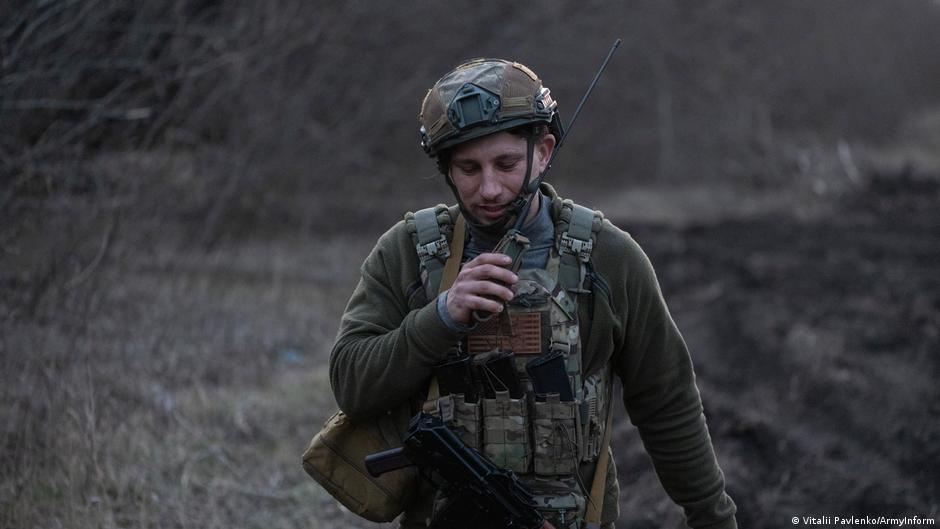
"I honestly still don't understand why this war started, why it continues, and how, when and at what cost it could be brought to an end. To me, war is something archaic, a return to the logic of brute force, at a time when humanity is talking about colonizing Mars. When the war reached my homeland, I, a man who had never held a weapon in my hand, was faced with the choice of remaining a spectator or helping defend my country."
"My decision to join the army has less to do with a sense of duty than with the desire to have agency, rather than become a subject of history. It was about the right not to become a victim of circumstances. Over time, the war lost its abstract nature for me and became deeply personal. It has become a routine, a part of my everyday life. I don't notice any profound psychological changes in myself, perhaps because they have already taken place and become a habit."
"I'm pained by the friends who are gone and the places of my past that have been laid to waste. I see what is happening in front-line cities. But I am particularly worried when Kyiv is attacked, writing my loved ones after every bombardment, asking them, "How are you? Do you have electricity? Is your home without heating?""
An individual returned to Ukraine in 2022 to join the volunteer army defending against Russia's invasion, choosing agency over passivity. The decision reflected a desire not to become a victim of circumstances rather than simple duty. War shifted from abstract to deeply personal, becoming a daily routine and reshaping identity. The individual endures grief for fallen friends and destroyed hometowns and worries about loved ones during attacks on Kyiv, including loss of electricity and heating. Persistent systemic problems within the Ukrainian military and resulting morale strains are damaging front-line fighters as much as combat itself; mass desertions are not explained solely by cowardice.
Read at www.dw.com
Unable to calculate read time
Collection
[
|
...
]