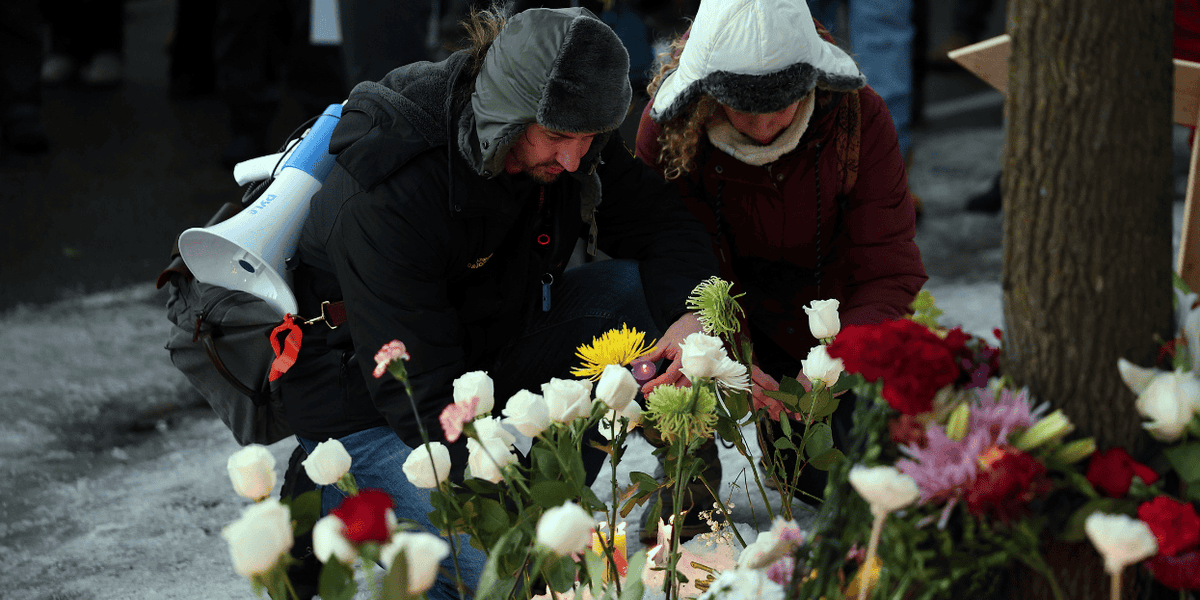
""Ope, sorry. Let me scoot past you there." It still slips out of me all these years later as I turn sideways to pass other people-my wife in our hallway, a stranger in the grocery store. It doesn't really matter who. It isn't politeness so much as reflex: a small bodily acknowledgment that someone else is here. A respect for shared space."
"I learned that reflex in Minnesota. The Twin Cities were the closest big city to the small town where I went to college, and the first place I tested my independence. The skyways in winter held back cold so intense it physically hurt exposed skin. There were countless cups of Caribou Coffee's Mint Condition, weeks rehearsing and performing Mozart's with Luther College's Nordic Choir and the Minnesota Orchestra,"
Personal habits such as saying "Ope, sorry..." reflect a learned reflex of acknowledging others in shared space. Minnesota life shaped independence through practical adaptations: enclosed skyways, searing winter cold, coffee rituals, choir rehearsals, and a striking encounter with Käthe Kollwitz's work. Community members routinely check on strangers, ask "Are you okay?", and provide concrete support like bringing food for births, deaths, or illness. That care arises from resilience rather than performative heroism. Mutual assistance—helping push cars out of snow—stems from the understanding that everyone will need help at some point; gentleness signifies strength, not weakness.
Read at Advocate.com
Unable to calculate read time
Collection
[
|
...
]