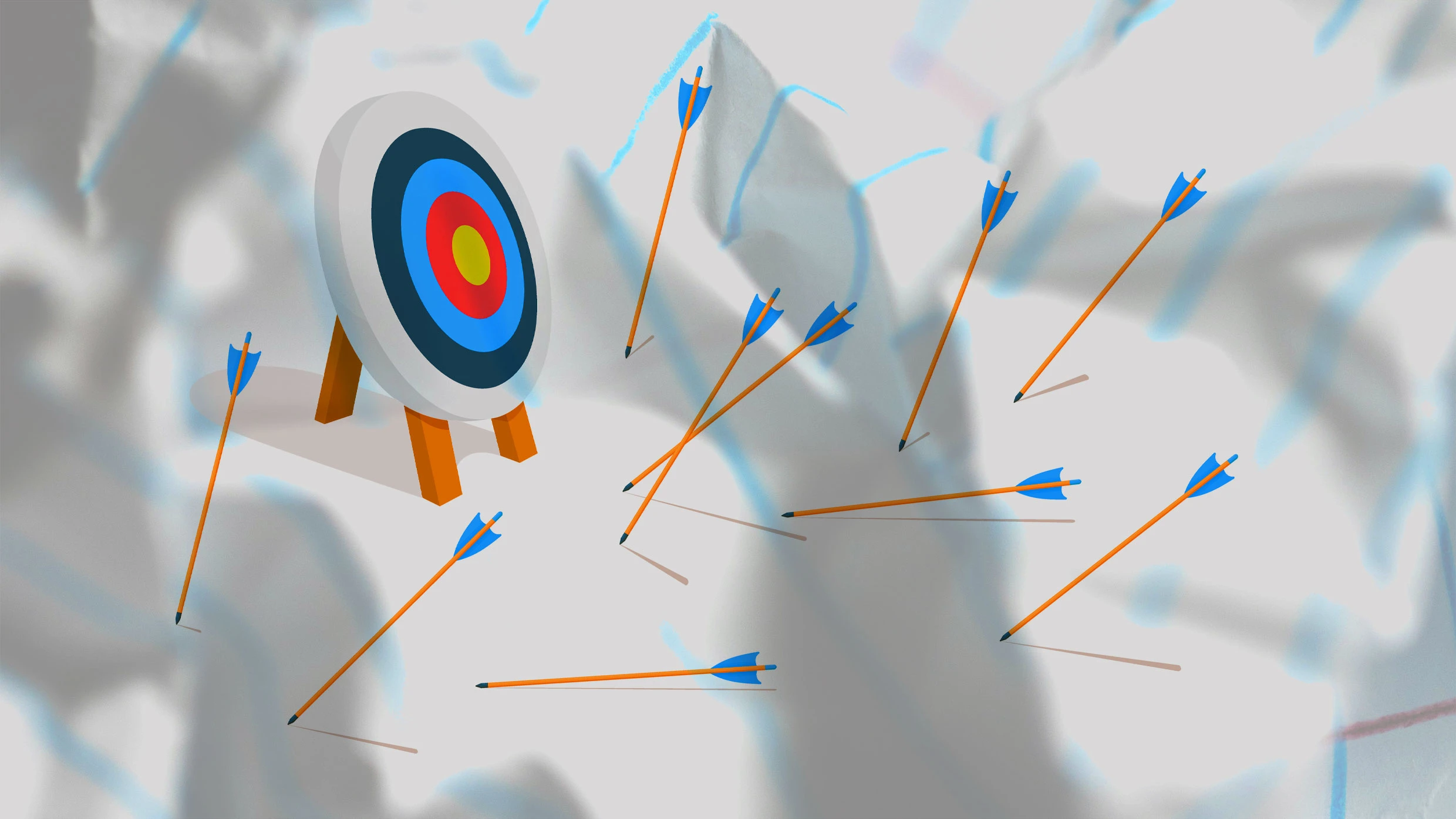
"The wisest or smartest people I know are still making mistakes. They're just much better at noticing them, sitting with them, and learning from them. Wisdom is a practice. And failure is the training."
"What separates wisdom from mere experience is whether you've processed what happened, asked the uncomfortable questions, and reflected on what could be done better. Or the path not taken. Writer Rita Mae Brown said, 'Good judgment comes from experience, and experience comes from bad judgment.'"
"Think of failures as experiments. An experiment has a hypothesis. A result. And the result is just information. Not proof that you shouldn't have tried. It's just data for your next experience."
Wisdom differs fundamentally from mere experience accumulation. The wisest people actively notice their mistakes, sit with discomfort, and extract lessons rather than deflecting or rationalizing. Experience alone proves insufficient—many people accumulate decades of experiences while remaining as unwise as they were at twenty, having never processed what happened or asked uncomfortable questions. True wisdom requires reflection on what could be done better and consideration of alternative paths. Failures function as experiments providing data for future experiences. Each failed attempt yields information rather than proof of wrongdoing. This mindset of treating setbacks as learning opportunities remains rare, exemplified by Thomas Edison's perspective on his thousands of unsuccessful lightbulb attempts.
#wisdom-as-practice #learning-from-failure #reflection-and-growth #experiential-learning #mistake-management
Read at Fast Company
Unable to calculate read time
Collection
[
|
...
]