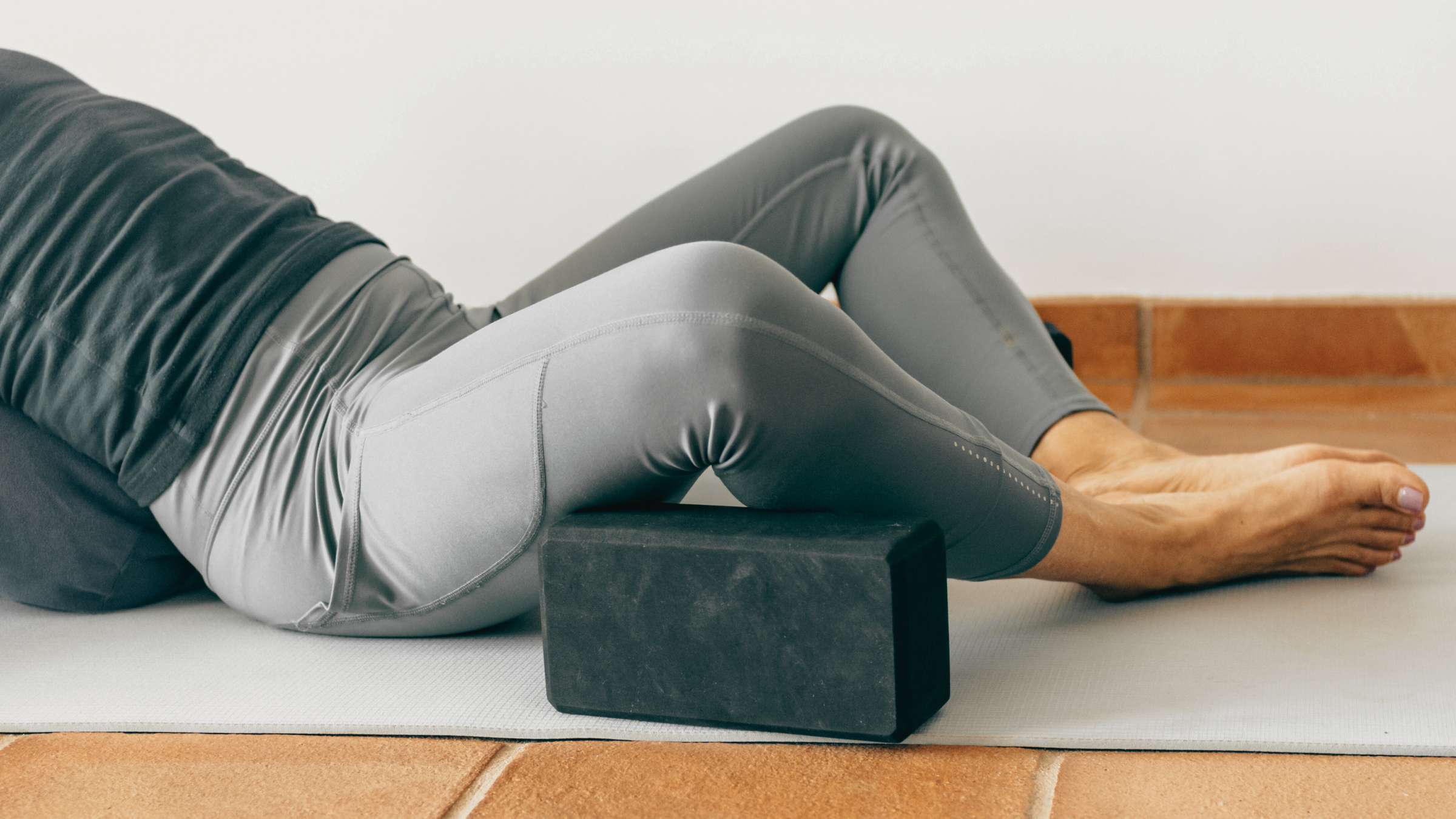
An independent practitioner who preferred to do everything alone relied on strength and avoided props in yoga. A car accident created widespread need for support, including during yoga, and props became necessary for basic rest poses. Props initially served as bridges back to previous practice but then revealed broader benefits. Props assisted physical healing, enabled acceptance of help, and created opportunities for social connection through small interactions after class. Props also absorbed the energy and intentions of other practitioners, reinforcing a sense of belonging to the sangha. Props encouraged honoring present needs with breath and reduced the impulse to power through discomfort.
"Whether I was muscling through my education and career or lugging in all the groceries by myself in a single trip, I moved through the world like you might expect from an only child with an Aries sun. Support was not something I was interested in. This was an ethos that extended to yoga props. Upon arrival at my favorite studio, I would blow past the props and rush straight into the hardest classes with nothing but my mat and my ego."
"But after a car accident, everything changed. I suddenly needed support in nearly all aspects of my life, including yoga. In my early recovery days, I could not even lie in Savasana without a bolster underneath my knees. So, I began using props as simply a bridge to get me back to my usual practice. But I soon realized they provided so much more."
"Like baking tools passed down through generations, props are infused with the energy of the hands that have used them. They carry the breath and intentions of other yogis and remind me, on even my darkest days, that I am part of the sangha, or community. Props have encouraged me to honor my needs as they arrive with each breath instead of powering through discomfort to"
Read at Yoga Journal
Unable to calculate read time
Collection
[
|
...
]