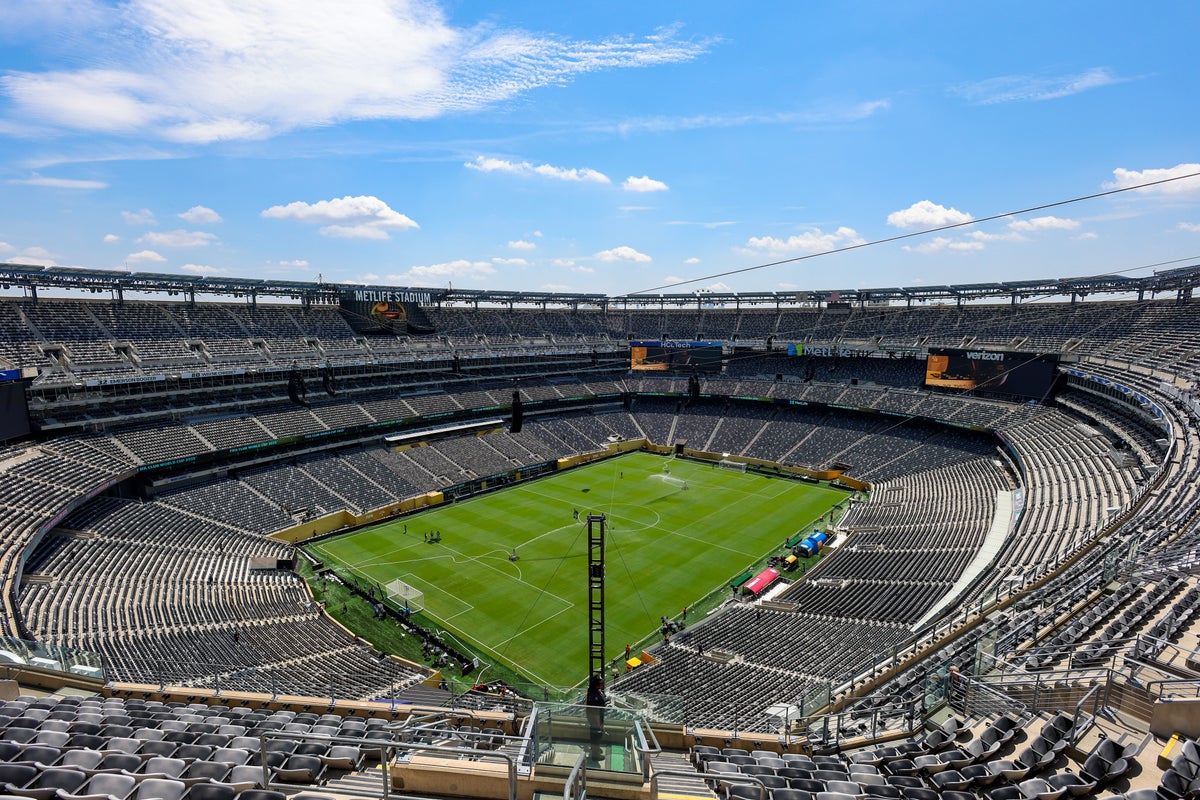
"A quarter of the games are likely to be played under heat conditions that pose a threat to both fans and players, according to a new analysis by the climate modeling organization World Weather Attribution (WWA). At a press briefing on Wednesday, scientists called on officials in the World Cup's 16 host cities in the U.S., Canada and Mexico to invest in hydration stations and cooling infrastructure to prevent heat-related injuries at the upcoming games."
"The predictions are based on a statistical model that included several variables, including historic weather data and the time of day the tournament's 104 matches are set to take place. The model was used to determine the chances that each match would experience dangerous heat conditions. The researchers focused on the wet bulb globe temperature (WBGT) system, which measures how heat is actually affecting the body by factoring in both air temperature and the effects of evaporative cooling, radiant heat and wind."
"It's a more accurate way of forecasting risk, because air temperature alone doesn't reflect heat conditions, said Chris Mullington, a senior lecturer at Imperial College London, who contributed to the analysis, at the press conference. On supporting science journalism If you're enjoying this article, consider supporting our award-winning journalism by subscribing. By purchasing a subscription you are helping to ensure the future of impactful stories about the discoveries and ideas shaping our world today. A [30-degree-Celsius] day in dry, breezy condition is very different from a [30-degree-C] day with high humidity, strong sun and little wind, he said."
"The International Federation of Professional Footballers' Associations (FIFPRO) has set a 26-degree-Celsius WBGT as the threshold at which cooling and other heat-related safety measures should be implemented. One in four scheduled matches are likely to be played while there is a WBGT of 2"
A climate risk analysis predicts that roughly one quarter of 2026 FIFA World Cup matches will be played under heat conditions that threaten fans and players. Officials in the 16 host cities across the United States, Canada, and Mexico are urged to invest in hydration stations and cooling infrastructure to reduce heat-related injuries. The estimates come from a statistical model using historical weather data and the scheduled time of day for the tournament’s 104 matches. Match risk is assessed using wet bulb globe temperature (WBGT), which accounts for air temperature plus evaporative cooling, radiant heat, and wind effects. WBGT is used because air temperature alone can misrepresent actual heat stress. FIFPRO sets 26°C WBGT as the threshold for safety measures.
Read at www.scientificamerican.com
Unable to calculate read time
Collection
[
|
...
]