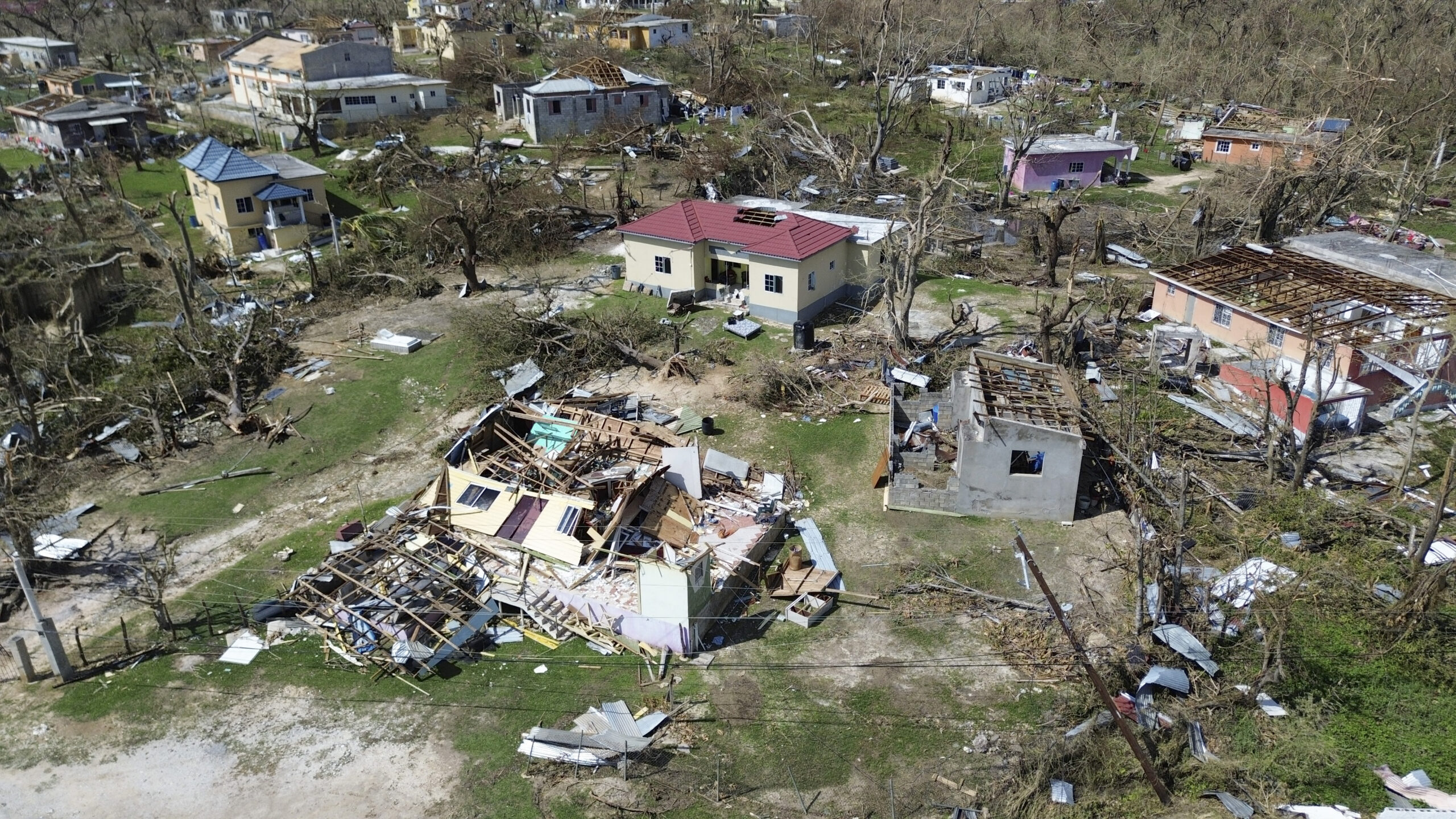
A meteorologist at Florida International University said a strong El Niño has a high chance and could boost water temperatures in the Gulf of Mexico. She said fewer storms than previous years are likely, but some storms can still occur unexpectedly, so preparation is needed. The National Weather Service outlook focused on overall seasonal activity and did not predict hurricane timing or landfall locations. NOAA projected a 55 percent chance of a below-normal season, 35 percent near-normal, and 10 percent above-normal. Colorado State University forecast 13 named storms, including six hurricanes and two major hurricanes, with warmer western Atlantic waters and slightly cooler eastern waters. It estimated hurricane landfall probabilities of 32 percent for the entire US coastline, 15 percent for the US East Coast including Florida, and 20 percent for the Gulf Coast from the Florida panhandle to Texas. Hurricane Melissa, a category 5 storm, caused major damage and fatalities in Jamaica despite no US hurricane landfalls the prior year.
"We probably won't have as many number of storms as previous years. However, some storms get lucky. We see outliers all the time, especially with hurricanes. So I believe Floridians, we need to get prepared."
"The NWS outlook was for overall seasonal activity and did not include predictions for when or where hurricanes might make landfall, as that is determined by short-lived weather patterns, said the National Oceanic and Atmospheric Administration, which oversees the National Weather Service. NOAA said there was a 55 percent chance of a below-normal season, 35 percent chance of a near-normal season, and 10 percent chance of an above-normal season."
"Forecasters at Colorado State University similarly predicted a below-average season, with 13 named storms, including six hurricanes and two major hurricanes. The forecasters said waters in the western tropical Atlantic were warmer than normal but the eastern tropical and subtropical Atlantic were slightly cooler than normal. They said a warmer Atlantic also tends to lead to lower atmospheric pressure and a more unstable atmosphere, which can boost hurricane activity."
"The Colorado State forecasters said the probability of a hurricane making landfall was 32 percent for the entire US coastline, 15 percent for the US East Coast including the Florida peninsula, and 20 percent for the Gulf Coast from the Florida panhandle to Brownsville, Texas. Alessi pointed out that although no hurricanes made landfall in the US last year, Hurricane Melissa devastated Jamaica as a category 5 storm. Melissa caused nearly $9 billion in damage and 95 fatalities across the Caribbean."
#el-nino #atlantic-hurricane-season-forecast #gulf-of-mexico-sea-surface-temperatures #hurricane-landfall-risk #noaa-and-nws-outlook
Read at Ars Technica
Unable to calculate read time
Collection
[
|
...
]