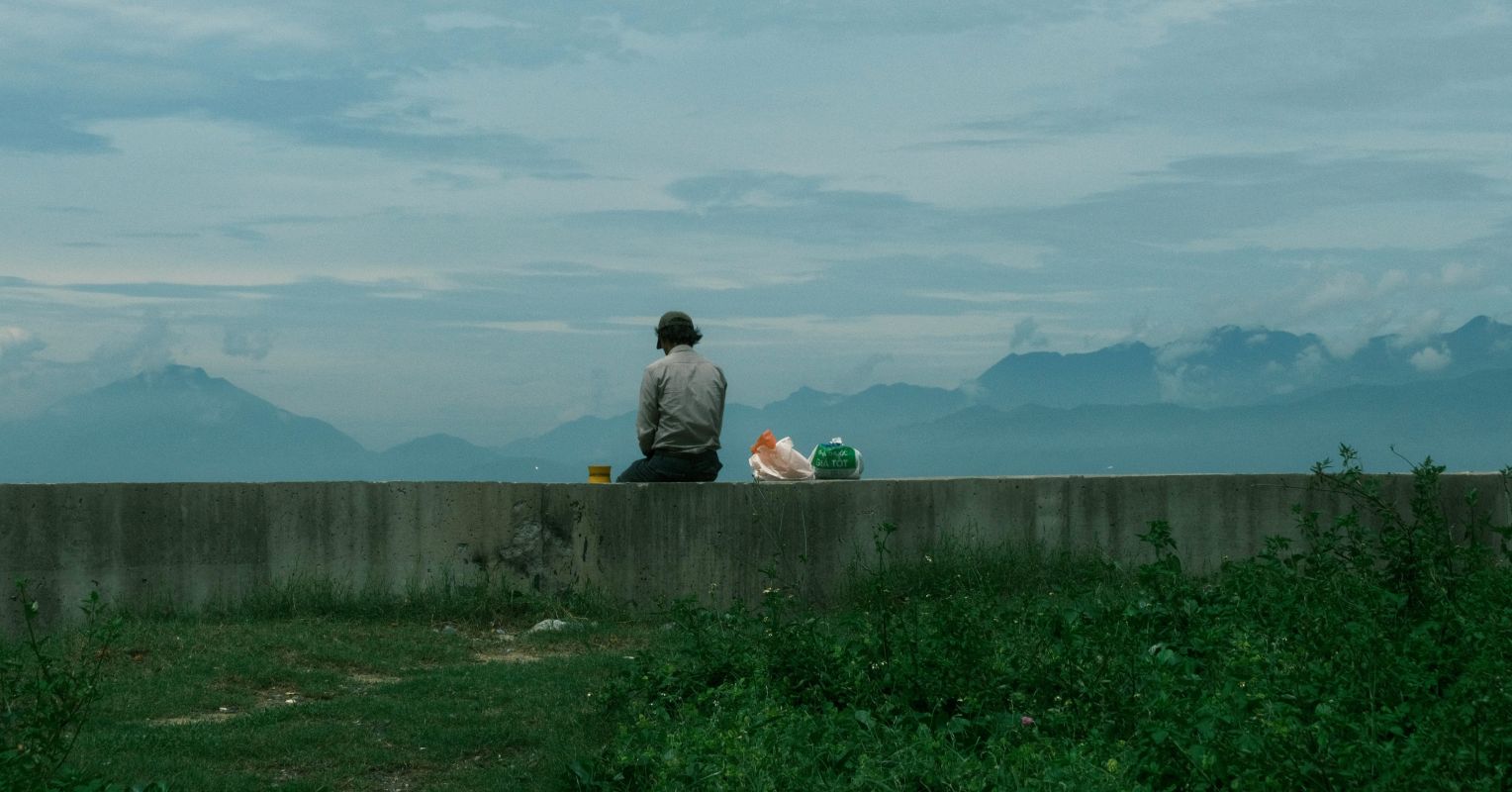
"I am guilty of it myself: In my mid-20s, as I struggled with debilitating anxiety and panic attacks, I bristled at the idea of going to therapy. After all, I had never needed therapy before. I was young, healthy, and had the world ahead of me. What would going to therapy be but a sign of failure or of an inability to handle things on my own?"
"Statistics show that I was not alone in my resistance: A 2019 CDC report discovered that "nearly one in four women received any mental health treatment (24.7 percent) in the past 12 months, compared with 13.4 percent of men." But why such a difference? I am reminded of a scene in the HBO series The Sopranos where the main character, mob boss tough guy Tony, laments (ironically, in a therapy session):"
Many men resist therapy because of outdated, unrealistic expectations of masculinity that valorize stoicism and hyper-independence. Men often view therapy as a sign of failure or inability to handle problems alone, even during severe anxiety or panic. CDC 2019 data show 24.7% of women versus 13.4% of men received mental health treatment in the prior year. Popular culture and archetypes like the 'strong, silent' Gary Cooper reinforce a 'do it myself' mentality. Sociological frameworks, such as Robert Brannon's 'Blueprint of Manhood', codify scripts like 'No Sissy Stuff' that discourage emotional expression. Building compassionate communities of lived experience can lower barriers and encourage help-seeking.
Read at Psychology Today
Unable to calculate read time
Collection
[
|
...
]