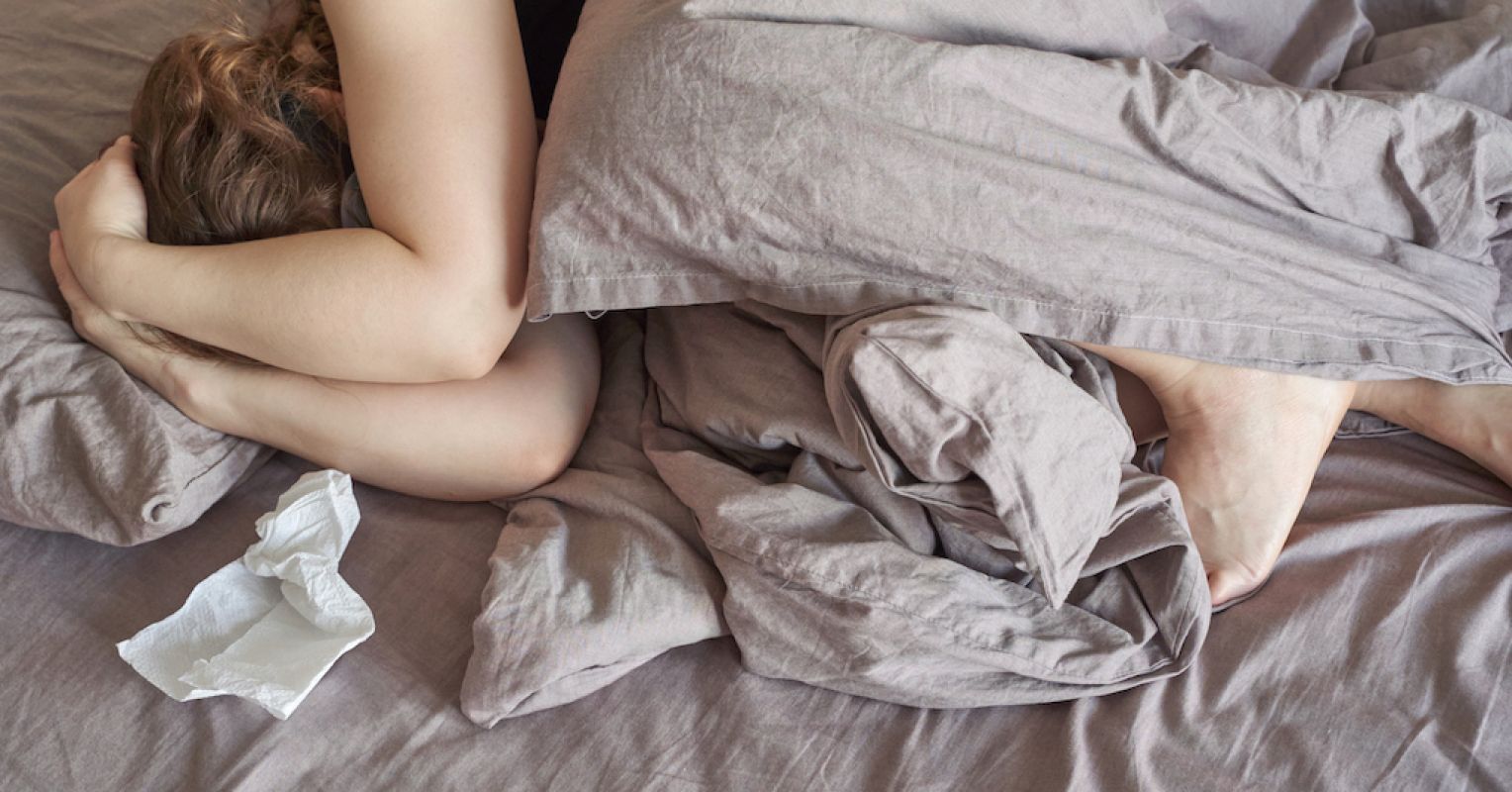
"As winter break approaches, college students are returning home for much-needed rest. Many will retreat to their rooms to recharge, while others may rush to reconnect with friends, even bypassing the open arms of their parents. College life is demanding, and most students develop coping skills to manage the semester's accumulated stress. For some, however, academic, social, and independent-living pressures can feel overwhelming, triggering new mental health or substance-use concerns or exacerbating existing vulnerabilities."
"Suicide is the second leading cause of death among young people ages 15-24 (CDC, 2022). Research shows that college students, who often have more access to support systems, are less likely to die by suicide than non-college-attending peers (The National Academies of Sciences, Engineering, and Medicine, 2021). Data from Penn State's Center for Collegiate Mental Health show that the percentage of students receiving support in college counseling centers with a history of suicidal or self-injurious behavior rose from 26% in 2010-2011 to 30% in 2023-2024."
As winter break approaches, many college students return home to rest, recharge, or reconnect with friends and family. College life imposes academic, social, and independent-living pressures that most students cope with, but some experience new or worsening mental health or substance-use concerns. Unnoticed or unsupported distress can lead to withdrawal, increased symptom severity, and self-harm. Suicide ranks as the second leading cause of death among ages 15-24. College students often have greater access to supports and show lower suicide rates than non-college peers. Counseling centers report rising percentages of students with prior suicidal or self-injurious behavior, and friends and family remain primary informal supports. Mental Health First Aid and other literacy efforts train millions to notice warning signs and begin supportive conversations.
Read at Psychology Today
Unable to calculate read time
Collection
[
|
...
]