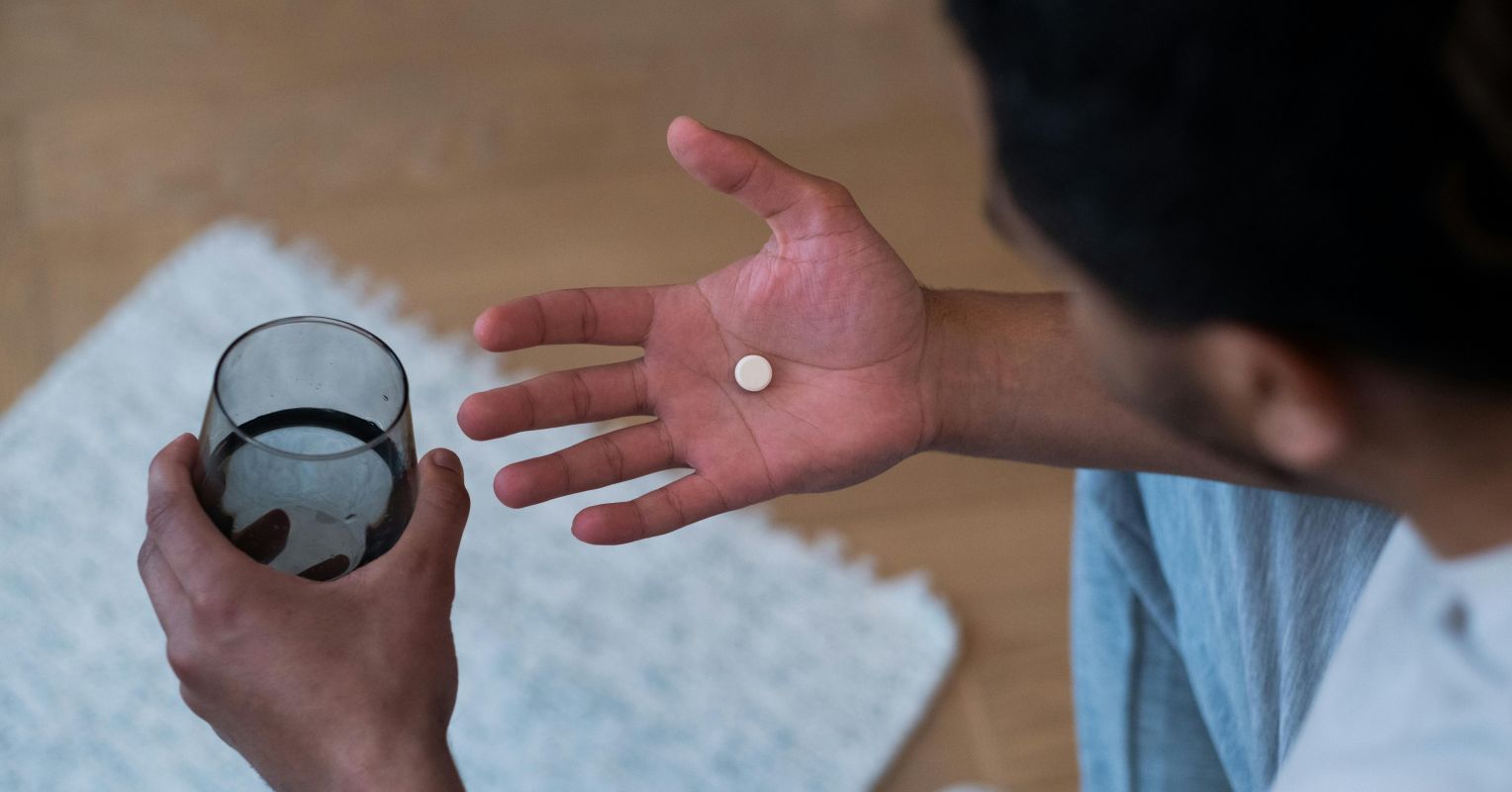
Patient expectations can produce much of the benefit attributed to antidepressant medications. Placebo effects generate genuine biological and emotional changes rather than mere imagination. Brain imaging studies show that expecting improvement activates emotion-regulation regions and engages the same neurotransmitter systems targeted by antidepressants. A striking body of research suggests that much, and possibly all, antidepressant benefit may derive from belief rather than chemistry. Feeling better on medication can therefore reflect the mind's capacity to translate hope into measurable change, and patients who recover may deserve substantial credit for their improvement while maintaining medical oversight.
"That question may sound provocative, but it has fascinated scientists for decades. Despite the billions of dollars spent each year on antidepressant drugs, a striking body of research suggests that much, and possibly all, of their benefit may come not from chemistry, but from expectation: the simple belief that the pill will help. 1,2 That phenomenon has a name: the placebo effect."
"After all, nearly all of us know someone who recovered on medication and swears the improvement was genuine. And they're right. The effect was real. The placebo effect has nothing to do with pretending or imagining that you feel better. It reflects the mind's remarkable capacity to translate hope and meaning into genuine biological and emotional change. Brain imaging studies suggest that when people expect improvement, regions involved in emotion regulation activate, engaging the same neurotransmitter systems targeted by antidepressant medications. 3"
Read at Psychology Today
Unable to calculate read time
Collection
[
|
...
]