"Someone is shot, and almost dies; the fragility of life is intimately revealed to him. He goes on to have flashbacks of the event, finds that he can no longer relax or enjoy himself. He is agitated and restless. His relationships suffer, then wither; he is progressively disturbed by intrusive memories of the event. This could be read as a description of many patients I've seen in clinic and in the emergency room over the years in my work as a doctor:"
"But it isn't one of my patients. It's a description of a character in the 7,000-year-old Indian epic The Ramayana; Indian psychiatrist Hitesh Sheth uses it as an example of the timelessness of certain states of mind. Other ancient epics describe textbook cases of what we now call generalised anxiety disorder, which is characterised by excessive fear and rumination, loss of focus, and inability to sleep. Yet others describe what sounds like suicidal depression, or devastating substance addiction."
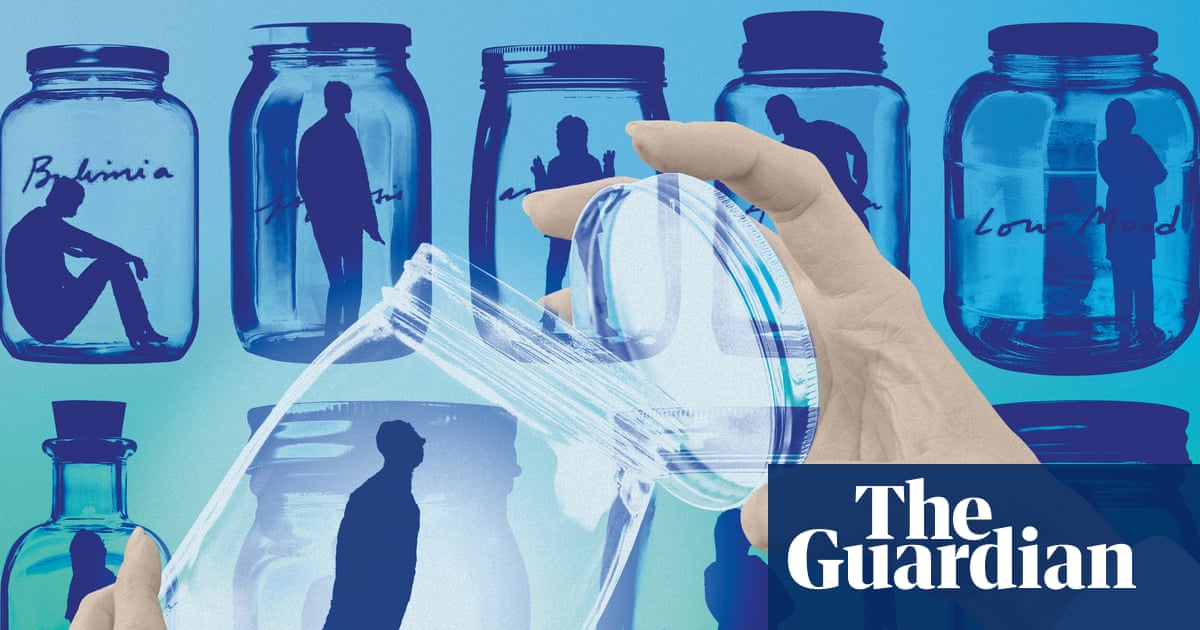
"Research tells us that the human brain hasn't changed much in the past 300,000 years, and mental suffering has surely been with us for as long as we have experienced mental life. We are all vessels for thoughts, feelings and desires that wash through our minds, influencing our mental state. Some patterns of feeling are recognisable across the millennia, but the labels we use to make sense of the mind and of mental health are always changing which means there's always scope to change them."
A character in the 7,000-year-old Indian epic The Ramayana displays symptoms consistent with modern PTSD after a near-fatal shooting. Other ancient epics portray cases resembling generalised anxiety disorder, suicidal depression, and devastating substance addiction. Research indicates the human brain has changed little over 300,000 years, implying mental suffering has long accompanied human mental life. Thoughts, feelings and desires continuously influence mental state, producing recurring patterns of distress across millennia. Psychiatric labels and diagnostic categories evolve over time, leaving scope to revise definitions of mental health. A 2019 survey found two-thirds of young people in the UK felt they had a mental disorder, while diagnostic thresholds are broadening.
Read at www.theguardian.com
Unable to calculate read time
Collection
[
|
...
]