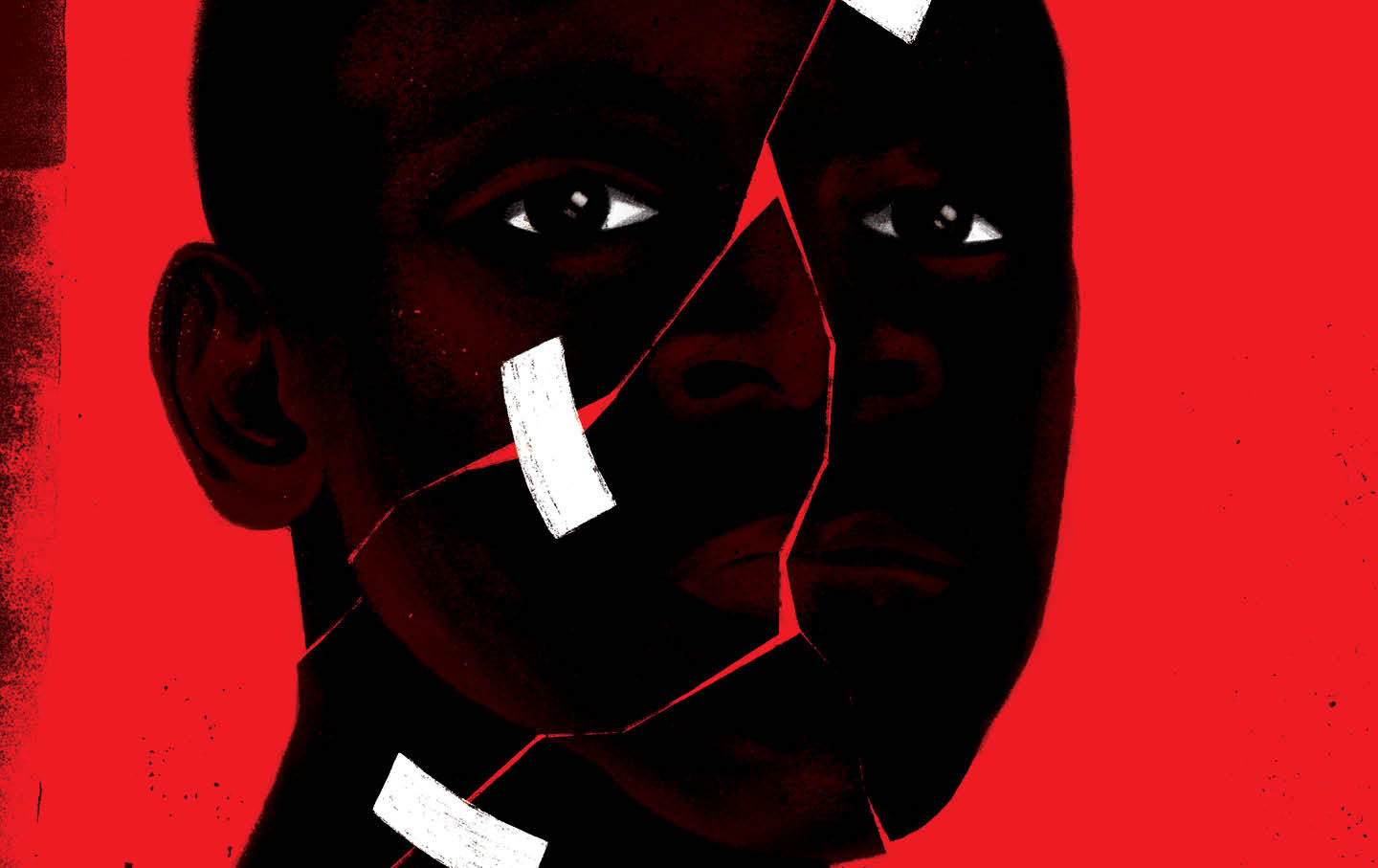
"When 21-year-old Demartravion "Trey" Reed was found hanging from a tree on Mississippi's Delta State University campus in September, the pained public outcry was immediate. The black-and-white image of the "A Man Was Lynched Yesterday" flag, which the NAACP had displayed outside its national headquarters in the 1920s and '30s, filled my social media feeds. Rumors swirled online that the young Black man had been found with broken limbs,"
"proof there was no way he could have died by suicide as official reports suggested. The thought of white supremacists lynching a student while the White House implemented its punishing policy goals at the federal level was too much to stomach. I heeded the advice of a trusted, Mississippi-based movement elder who urged her online community to avoid jumping to conclusions, wait for more information, and join Reed's family in mourning this tragic loss of life."
Public outrage often focuses more on possible foul play than on the possibility that a young person felt life was unbearable. Deaths by suicide are increasing for all young people but rising faster among Black children and young adults. Suicide is the second leading cause of death among Black people ages 15 to 24. Even elementary-school-age Black children are struggling: children 12 and younger are twice as likely to die by suicide as their white peers. The trend predates the pandemic and reflects persistent racial inequities in mental-health access, social stressors, and policy environments.
Read at The Nation
Unable to calculate read time
Collection
[
|
...
]