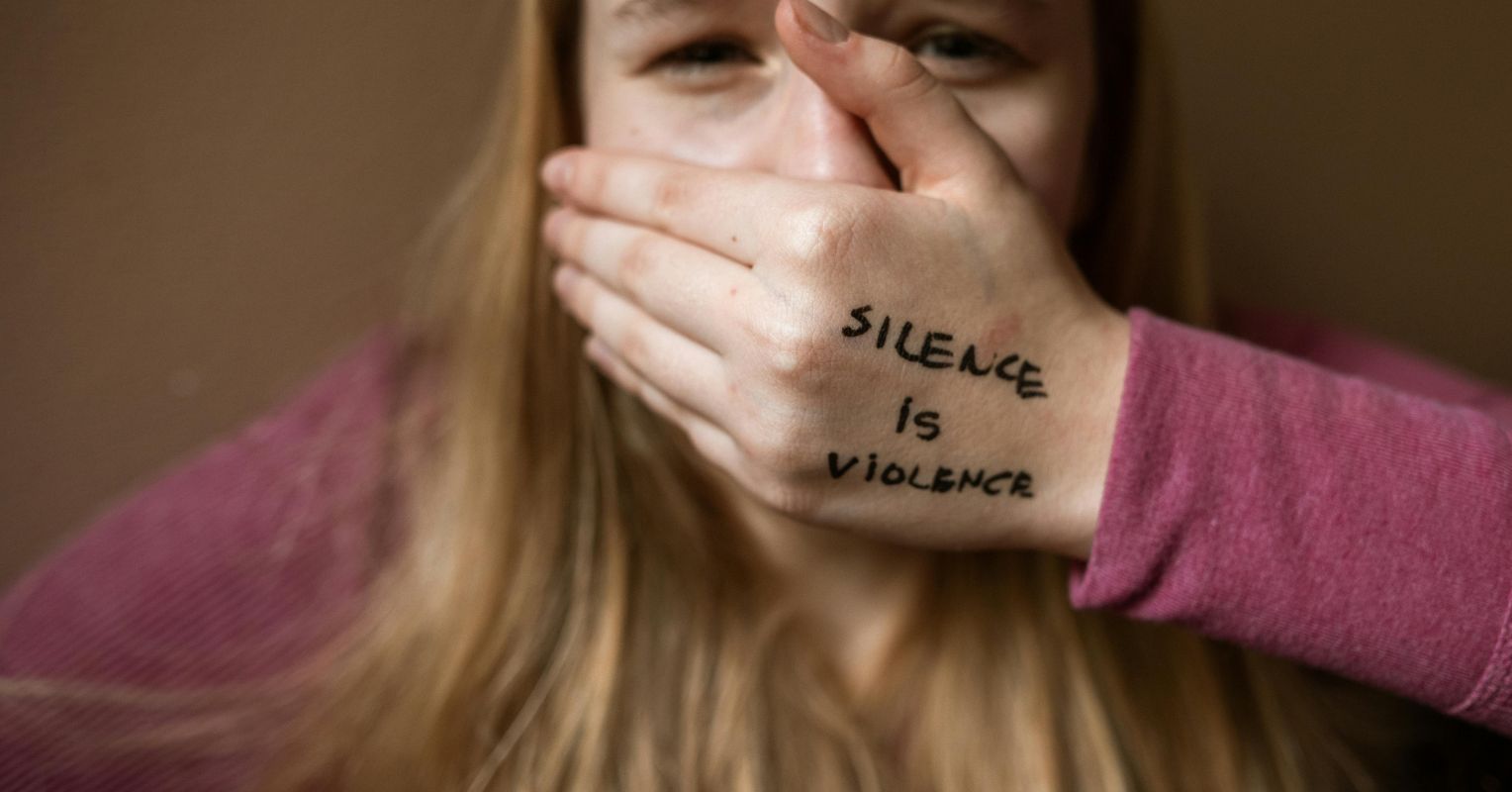
"Her voice trembled in a way that tightened the air around us, as if the memory itself were still present in the room. She stared at the floor while describing how he threatened her into silence and how she froze, hoping someone would come, even though she already knew no one would. The next morning, she told her mother because she believed love meant protection, but instead her mother slapped her and accused her of lying."
"Carolina said she stopped speaking after that day because silence felt safer than being doubted again. She began to fold her emotions into tight corners where no one could find them, and she moved through childhood with a quietness people mistook for defiance. For many survivors, silence becomes armor, not a choice, and it remains long after the danger has ended."
At age ten a child experienced sexual assault by a stepfather; disclosure to her mother resulted in blame and physical punishment, deepening the wound and fracturing identity. Childhood sexual abuse disrupts emotional development, undermining trust, self-regulation, and producing internalized fear. When caregivers disbelieve or fail to intervene, children learn to carry suffering alone and adopt silence as protection. Silence can later transform into uncontrollable eruptions or aggression that reflect unprocessed trauma rather than intentional harm. Restorative justice can create structured, safer spaces where survivors can speak, name wounds, and begin understanding and healing the behavioral consequences of earlier abuse.
Read at Psychology Today
Unable to calculate read time
Collection
[
|
...
]