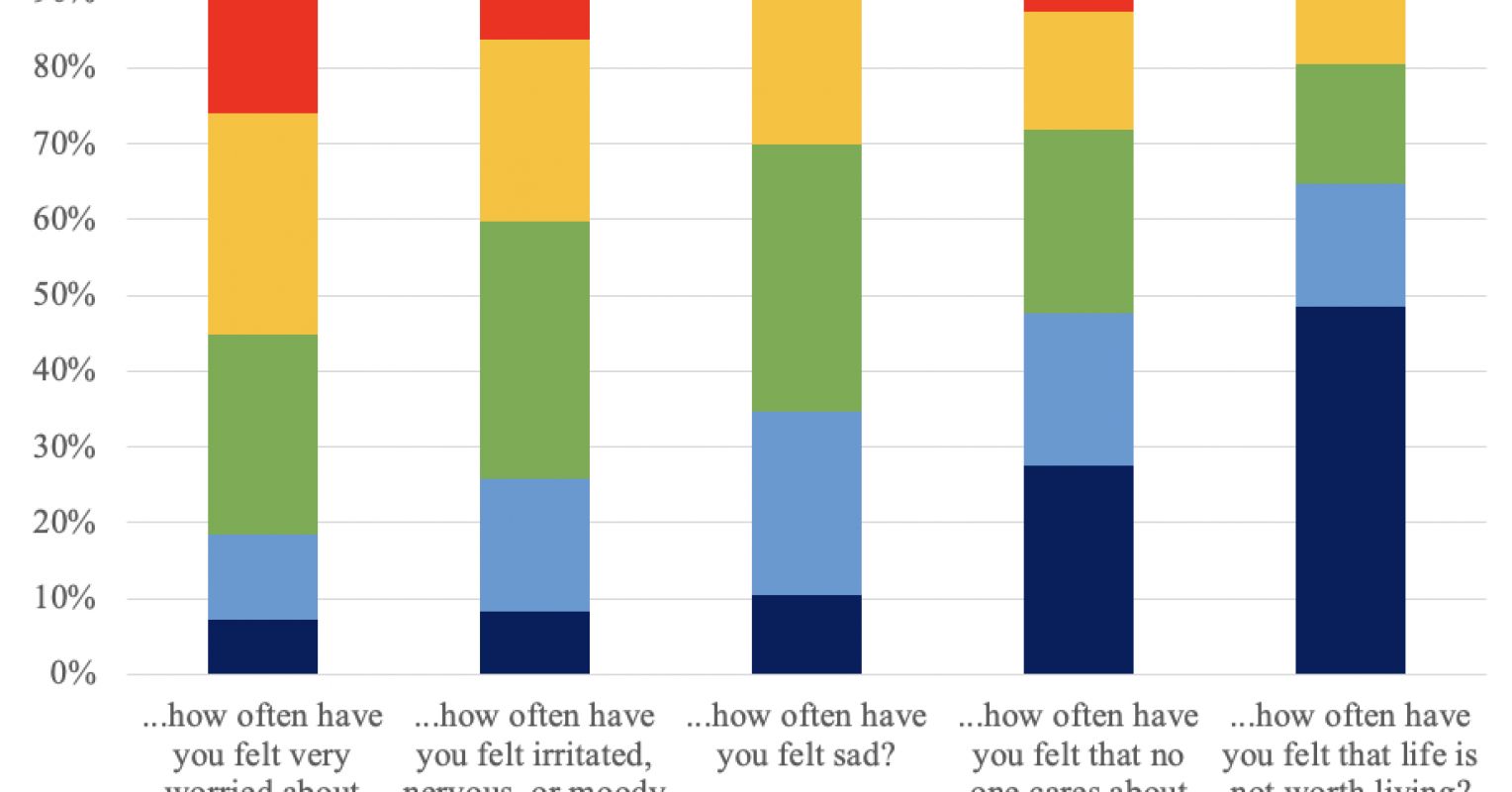
Data from the 2019 PeNSE (National Survey of School Health) included about 165,000 randomly selected Brazilian adolescents and provided measures of physical health, risky behaviors, school experiences, and mental health. Analysis of responses from over 100,000 adolescents examined how different experiences of peer victimization related to reports of depressive symptoms. Depressive symptoms were assessed using student reports of sadness, moodiness, and other indicators of poor mental health. Being a target of negative peer experiences consistently related to decreased self-worth, poor engagement in school, and worse grades. Reports of victimization were strongly associated with higher depressive symptom levels, and schools differed in the amount of victimization experienced by students. Efforts by teachers and school staff to reduce bullying were linked to better mental health outcomes for students.
"Being a target of negative experiences by one's peers has consistently been related to decreased self-worth, poor engagement in school, and worse grades among children and adolescents. One of the most consistent of these consequences is depressive symptoms. Put simply, kids' mental health is strongly impacted by being picked on by their classmates at school. Our recently published study examined data from over 100,000 Brazilian adolescents to disentangle how pernicious the effect of being victimized was on reports of symptoms of depression."
"We used data collected by the Brazilian government as part of their 2019 Pesquisa Nacional de Saúde do Escolar (PeNSE, National Survey of School Health) study, organized by the Ministry of Health. About 165,000 adolescents from across the country were randomly selected to be part of this large-scale study assessing aspects of adolescent physical health (including drug use, risky sexual behavior, but also mental health and measures of their school experiences)."
Read at Psychology Today
Unable to calculate read time
Collection
[
|
...
]