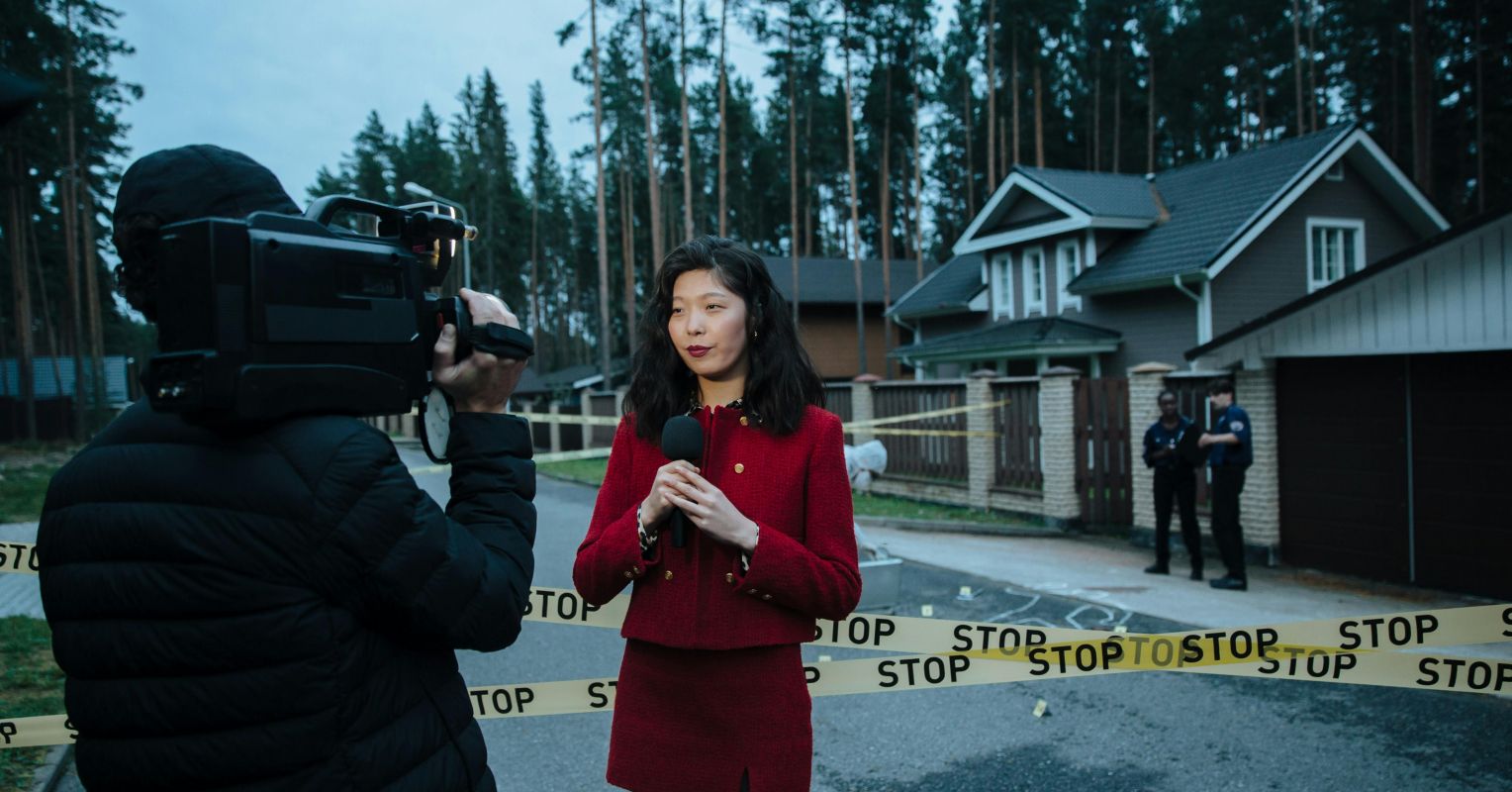
"The most significant threats which modern society faces are not tangible or immediate risks; rather, they are future anticipated catastrophic events. These modern risks are global in nature, whereas previously risks were limited to local, controlled environments. Beck asserts that such a transformation in our sense of risk redirects social energy toward the anticipation and prevention of future catastrophes, creating a continual state of heightened awareness."
"A cultural shift has moved us from having episodic fear experiences to an overall anxiety level of general fear in today's society. A huge factor in developing this heightened level of anxiety is media saturation. More continuous media exposure has increased our level of awareness regarding issues affecting us all, including terrorism and natural disasters."
"Regardless of whether you directly experience terrorism or natural disasters, knowledge of those events will affect how you perceive yourself when it comes to feeling vulnerable to future dangers; the concern is not whether there is danger, but when it will happen to you."
Contemporary society has shifted from episodic fear to chronic anxiety as a normalized state. Global risks, unlike localized historical threats, create perpetual psychological alertness. Media saturation and digital technologies amplify awareness of distant dangers like terrorism and natural disasters. Individuals perceive vulnerability not based on direct experience but through information exposure, creating collective unease. This transformation redirects social energy toward anticipating and preventing future catastrophes, embedding anxiety into everyday Western culture. The accumulation of crises intensifies this psychological state, making heightened awareness a standard feature of modern life.
Read at Psychology Today
Unable to calculate read time
Collection
[
|
...
]