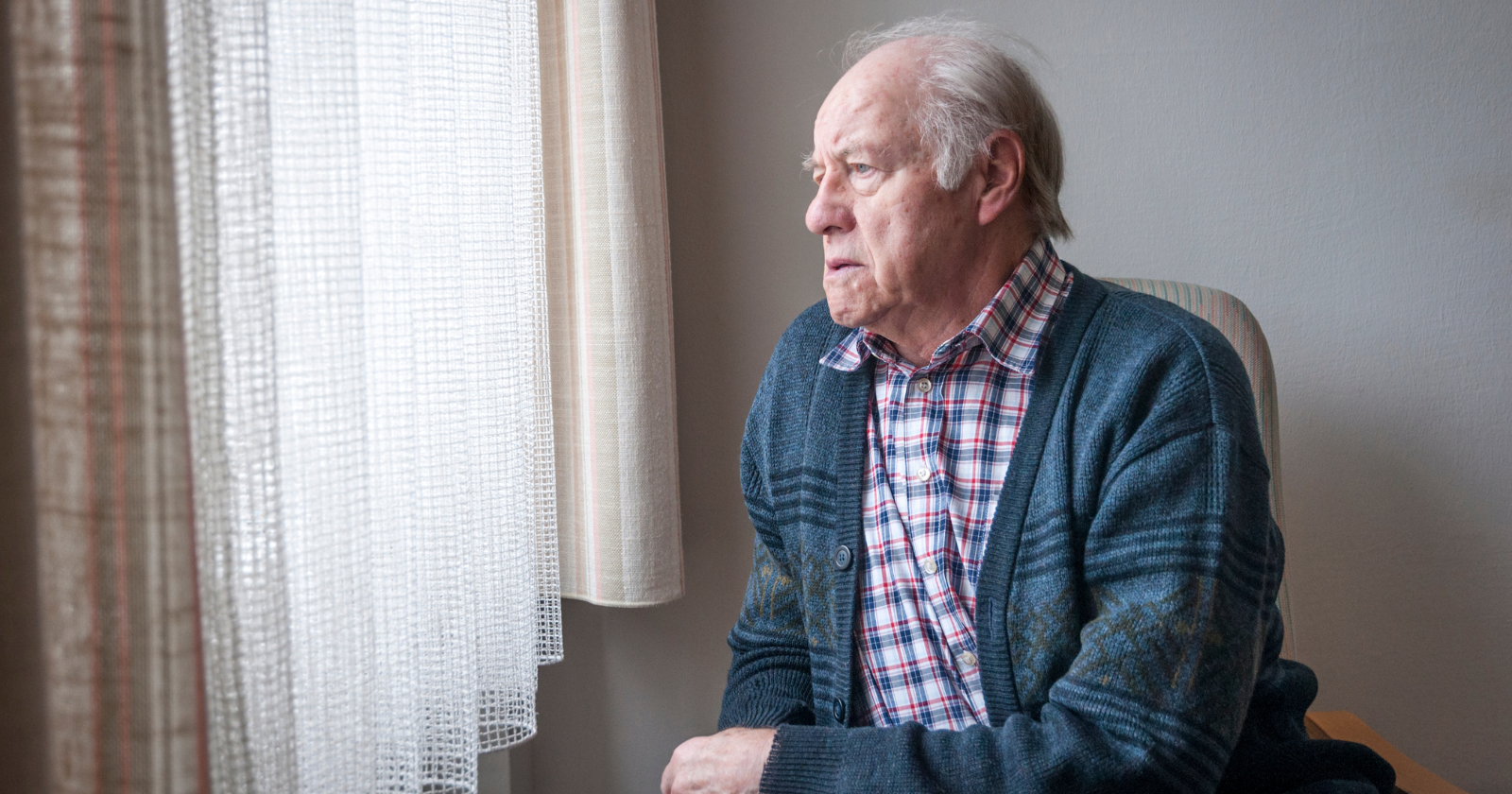
"The hardship we faced in childhood can play such an important role in our daily lives, but we so often convince ourselves to avoid it. That's exactly what happened. My old man convinced himself that if he didn't talk about what he went through, it wouldn't affect us kids. Wrong. It affected us more because we had to guess at the ghosts that haunted him."
"The problem is, feelings don't disappear just because you don't name them. They show up in other ways. In my father's case, it was the bottle. In mine, it was working seventy-hour weeks to avoid going home and dealing with what was waiting there."
"What we called strength was just silence dressed up in work boots. The generation that couldn't afford to feel didn't have time for feelings. They had wars to fight, families to feed, and bills to pay. Talking about your problems? That was luxury thinking."
The Greatest Generation survived World War II and economic hardship by suppressing emotions and avoiding discussion of trauma, believing silence protected their families. This coping mechanism backfired, creating inherited emotional dysfunction across generations. Children of these survivors developed their own maladaptive behaviors—alcoholism, workaholism, and emotional avoidance—attempting to manage unspoken family pain. Therapist Richard Brouillette notes that childhood hardship profoundly affects daily life when avoided rather than processed. The author's own journey reveals how his father's silence about war experiences taught him emotional suppression, which he unconsciously passed to his son, who required years of therapy to address the generational pattern. Breaking this cycle requires naming and processing inherited trauma rather than perpetuating silence.
#intergenerational-trauma #emotional-suppression #mental-health-legacy #family-dysfunction #healing-and-recovery
Read at Silicon Canals
Unable to calculate read time
Collection
[
|
...
]