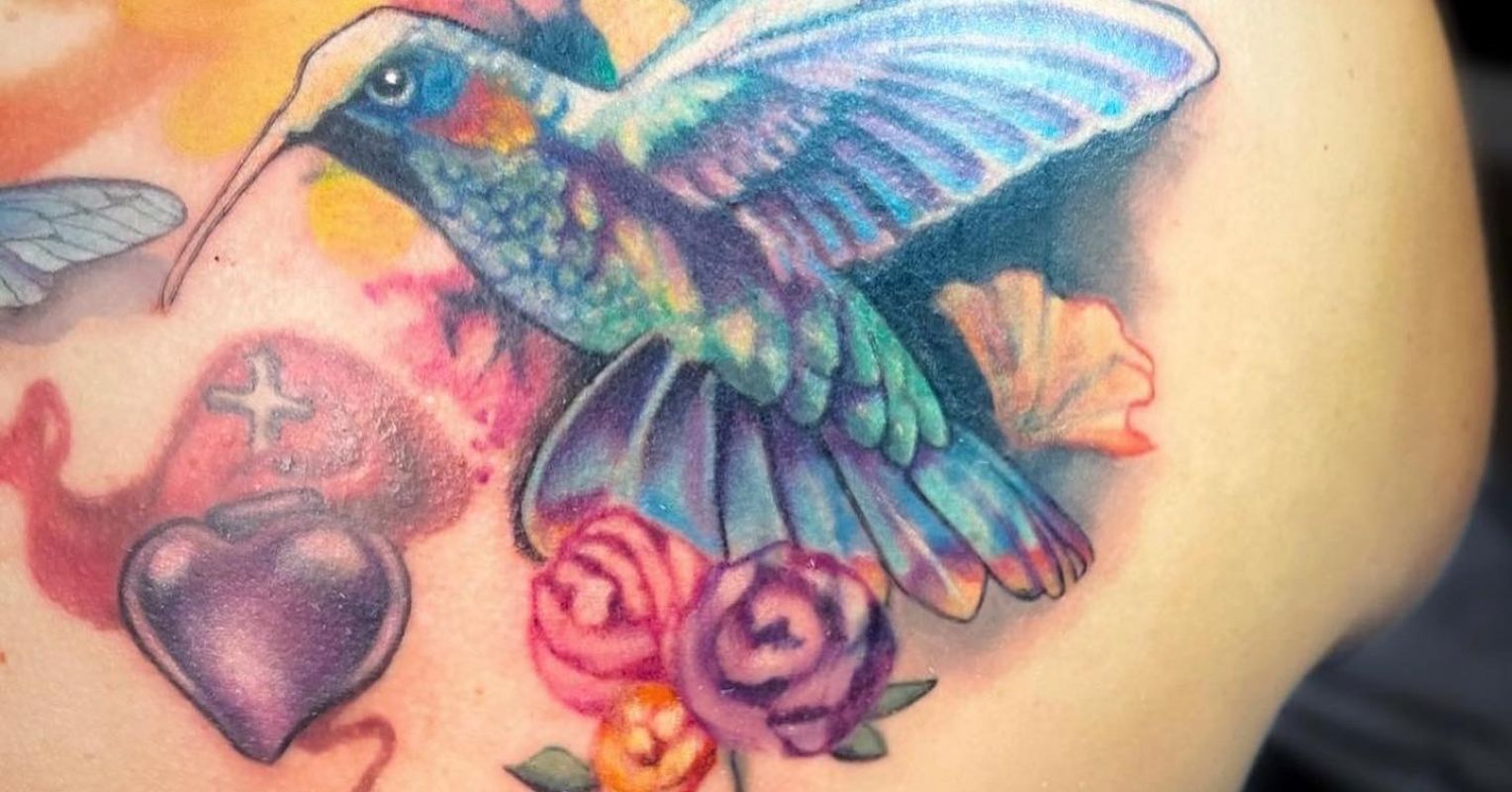
"For some survivors, me included, tattoos became one way of reclaiming authorship over a body that once existed primarily for the exploitation or needs of others. As a licensed psychologist specializing in complex trauma and dissociation, and as someone with lived experience of dissociative identity disorder (DID), I have come to understand tattoos not as impulsive acts or self-harm substitutes, but as intentional, relational, and symbolic experiences of embodiment."
"At the heart of trauma is the loss of choice. When the body has been violated, controlled, or silenced, healing often requires restoring agency in concrete ways. Tattoos can offer something many trauma survivors have rarely experienced: consensual sensation that is chosen, time-limited, and controlled."
"For survivors whose bodies learned to associate sensation with threat, the ability to say yes, pause, or stop and have that respected by the artist can be profoundly reparative. When pacing, consent, and grounding are prioritized, the tattoo process can become regulating rather than dysregulating."
Trauma affects the body through lasting nervous system responses including sensation, posture, and muscle tension. For survivors of complex trauma and dissociation, the body often feels alienated or hostile. Tattoos represent a meaningful reclamation of bodily authorship for those whose bodies were previously controlled or exploited. As both a psychologist specializing in trauma and a person with dissociative identity disorder, the author understands tattoos as intentional, relational, and symbolic experiences of embodiment. Tattoos provide consensual sensation that is chosen, time-limited, and controlled—experiences many trauma survivors have rarely encountered. For individuals with dissociative identities, the body functions as shared space among different parts, making embodiment complex and fragmented.
Read at Psychology Today
Unable to calculate read time
Collection
[
|
...
]