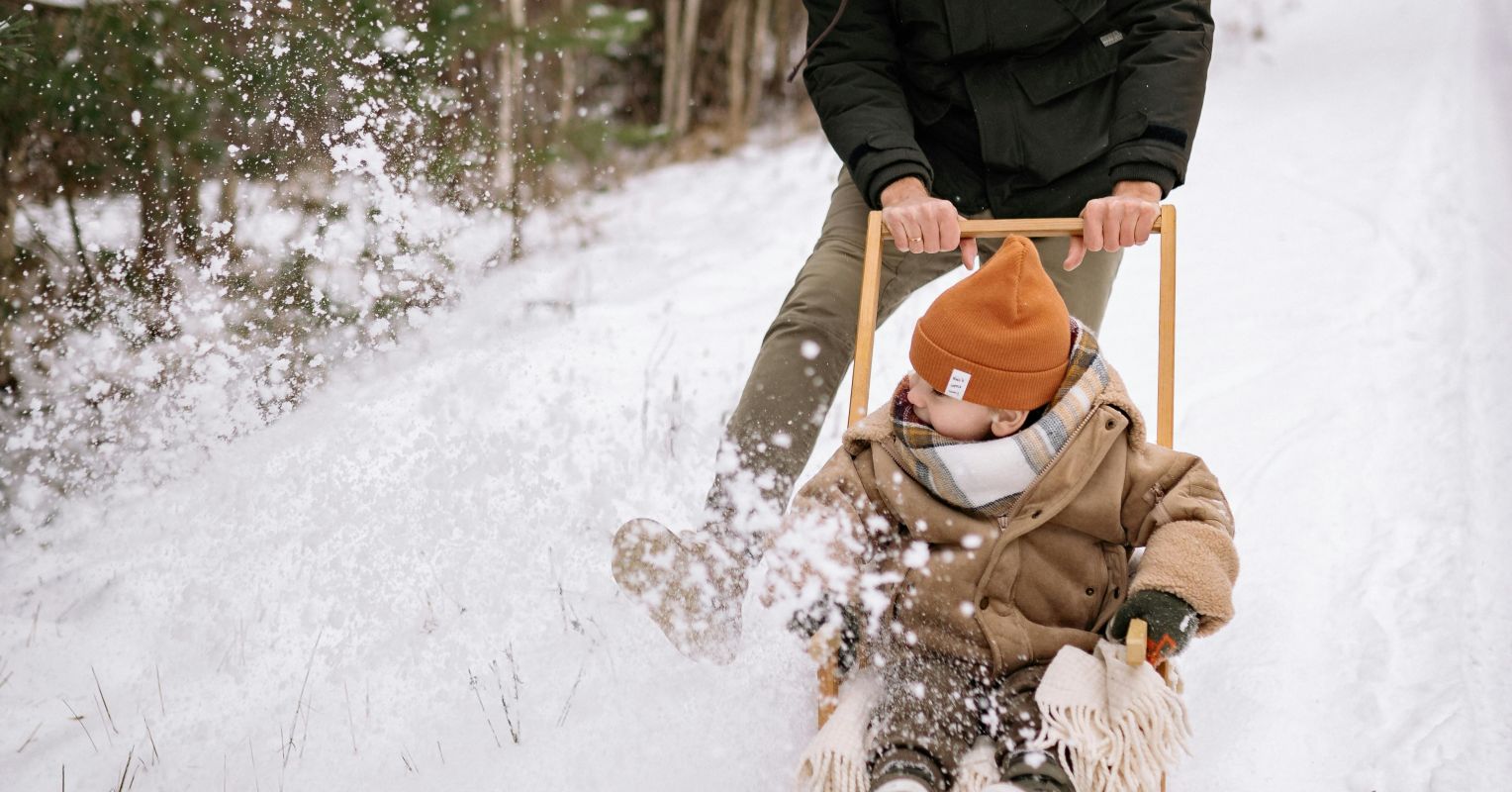
"Brutal winters challenge our physical health, mental health, patience, and parenting. And before we talk with strategies, let's start with something essential: winter is inherently harder on the human nervous system than other seasons. That's not weakness. That's biology. Reduced sunlight disrupts serotonin, dopamine, and melatonin-chemicals that influence mood, motivation, and sleep. Less light often means lower energy, decreased focus, and more irritability. Add in cold temperatures, limited outdoor time, and increased illness, and it's no wonder families feel like they're operating in survival mode."
"And illness really does peak in winter. Kids spend more time indoors, viruses circulate more easily, and cold air can reduce the effectiveness of our immune response. Parents often feel perpetually on edge-waiting for the next daycare call, managing sleepless nights with kids who cough non-stop, or powering through their own illness because work and parenting don't pause. It's more than exhausting."
"Winter also disrupts routines. Snow days, delays, and canceled activities chip away at predictability-something children rely on to feel safe. When structure disappears, behavior often follows. Increased tantrums, irritability, and emotional outbursts increase. These behaviors aren't signs of defiance; they are signs of dysregulation. Add increased screen time (which often becomes the default coping tool), and kids' nervous systems become even more overwhelmed."
Long, dark, cold winters disrupt serotonin, dopamine, and melatonin, producing lower energy, poor focus, sleep problems, and irritability. Cold temperatures, reduced outdoor time, and higher viral circulation increase illness risk for children and adults. Frequent illness, constant caregiving demands, and sleep loss produce chronic exhaustion and stress for parents. Snow days and canceled activities erode predictability, leading to dysregulation in children expressed as tantrums and emotional outbursts. Increased screen time often becomes a default coping mechanism, further overwhelming children's nervous systems. Parenting responses can include guilt, snapping, emotional numbness, and pressure to do more despite limited resources.
#seasonal-mood-disorders #child-behavior--dysregulation #winter-illness-transmission #parenting-stress--burnout
Read at Psychology Today
Unable to calculate read time
Collection
[
|
...
]