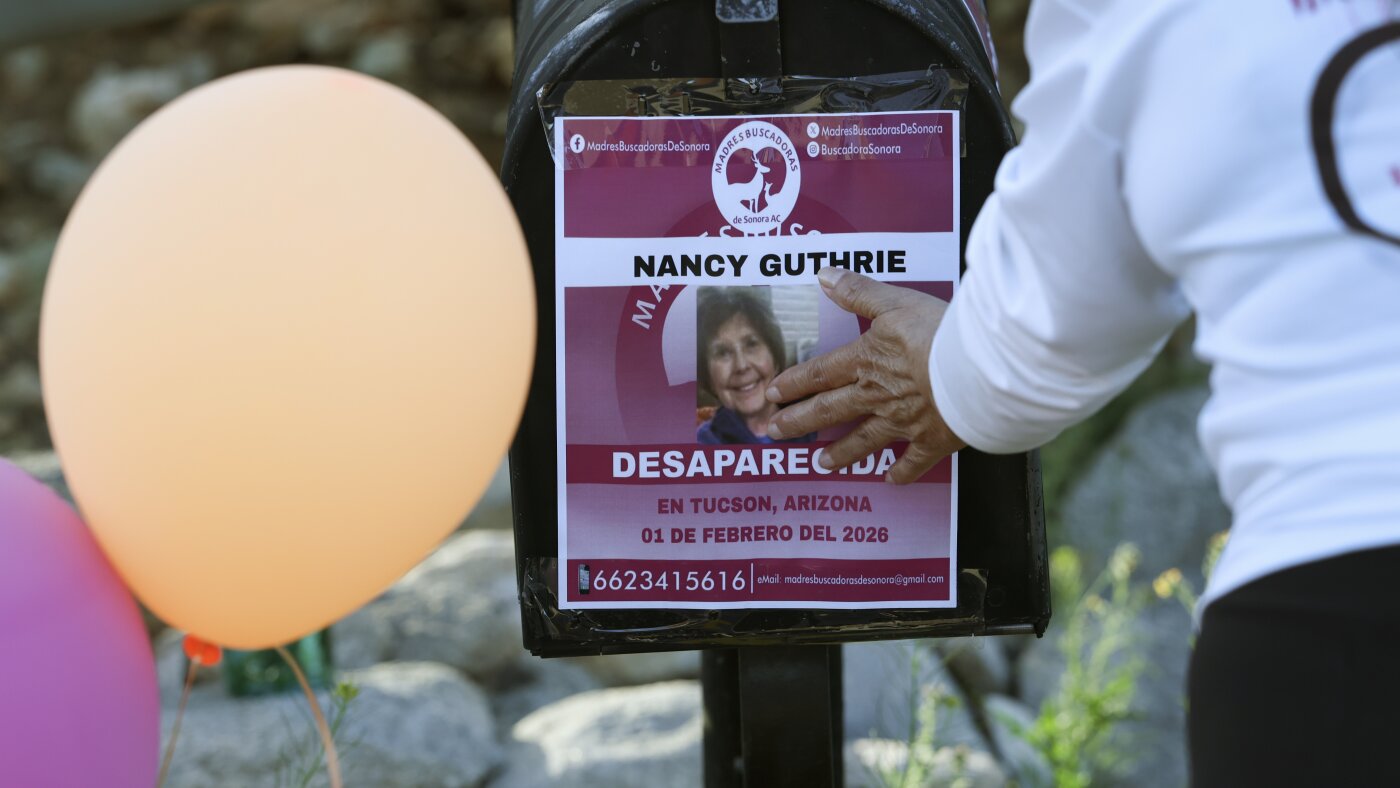
Ambiguous loss describes the devastating experience of losing someone without closure or confirmation of their fate. When loved ones go missing, families face overwhelming uncertainty that disrupts basic functioning like eating and sleeping. They must simultaneously manage their own lives, search for their missing family member, and navigate conflicting emotions of hope and doubt. This psychological state, termed by therapist Pauline Boss as "a situation beyond human expectation," affects families regardless of media profile. Missing persons advocate Charlie Shunick, whose sister Mickey was kidnapped in 2012, emphasizes that this trauma persists whether cases are eventually resolved or remain unsolved. The emotional toll of mourning without confirmation of a loved one's status creates a haunting, prolonged grief experience.
"I can't think of a more torturous, horrific experience to have as a human being. When a loved one goes missing, the sense of loss and uncertainty can overwhelm people left behind, turning the most routine tasks into an ordeal. They feel like they can't eat because their child may not be eating. They can't sleep because their child may not be sleeping."
"Ambiguous loss denotes a situation that's beyond human expectation. Families must perform a debilitating balancing act: managing their own lives and trying to find their son or their sister or their mother or their father. All the while, they also juggle hope and doubt over whether their loved one will ever come home."
"Having to mourn without confirmation of whether your loved one is still alive is haunting. The sense of loss builds over time, and similar dynamics play out across missing persons cases regardless of media attention or profile, affecting all families equally in their suffering."
Read at www.npr.org
Unable to calculate read time
Collection
[
|
...
]