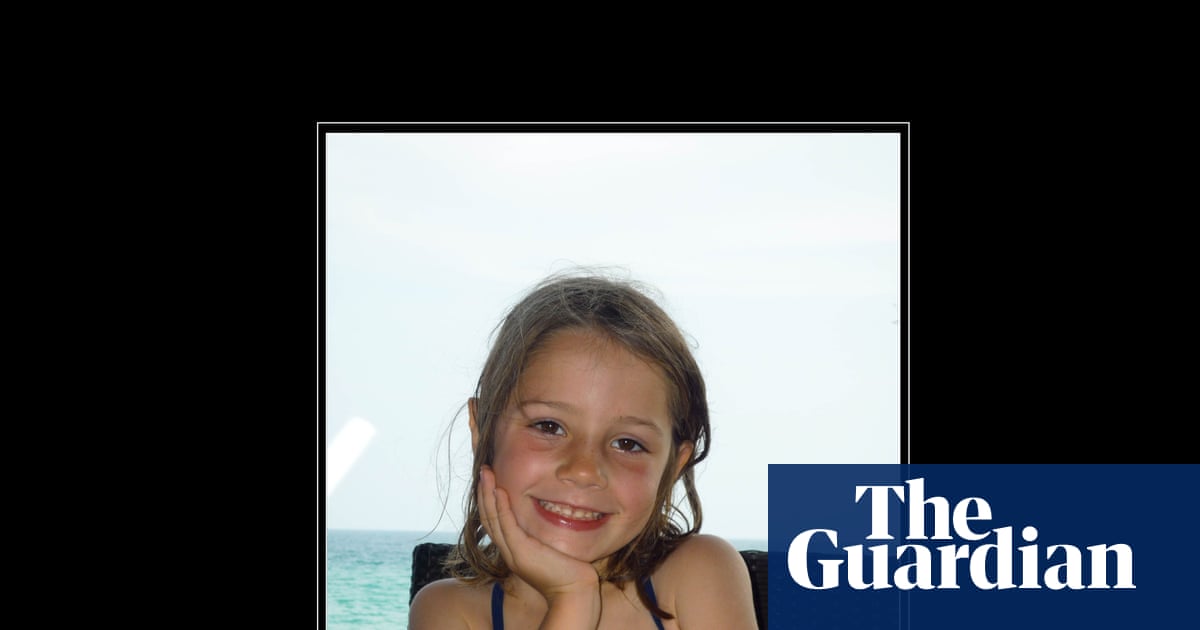
"Our life before Molly's death was very ordinary. Unremarkable, he says. He was a television producer and director, married with three daughters. We lived in an ordinary London suburb, in an ordinary semi-detached house, the children went to ordinary schools. The weekend before Molly's death, they had a celebration for all three girls' birthdays, which are in November. One was turning 21, another 18 and Molly was soon to be 15."
"And I remember being in the kitchen of a house full of friends and family and thinking, This is so good. I've never been so happy,' he says. That was on a Saturday night and the following Tuesday morning, everything was different. The second part of Russell's life has been not only grief and trauma, but also a commitment to discovering and exposing the truth about the online content that contributed to Molly's death, and campaigning to prevent others falling prey to the same harms."
Ian Russell's life split into before and after 20 November 2017, when his youngest daughter Molly died by suicide following depression and harmful social media content. Life before the death was ordinary: married with three daughters, living in a London suburb, children attending ordinary schools. The family had recently celebrated the girls' birthdays. The death triggered prolonged grief and a campaign to uncover online harms. Five years were required to obtain sufficient information from social media companies for an inquest to rule that Molly died from an act of self-harm while suffering depression and negative online effects. The Molly Rose Foundation provides support, conducts research, and advocates for safety measures including age-based social media access limits.
Read at www.theguardian.com
Unable to calculate read time
Collection
[
|
...
]