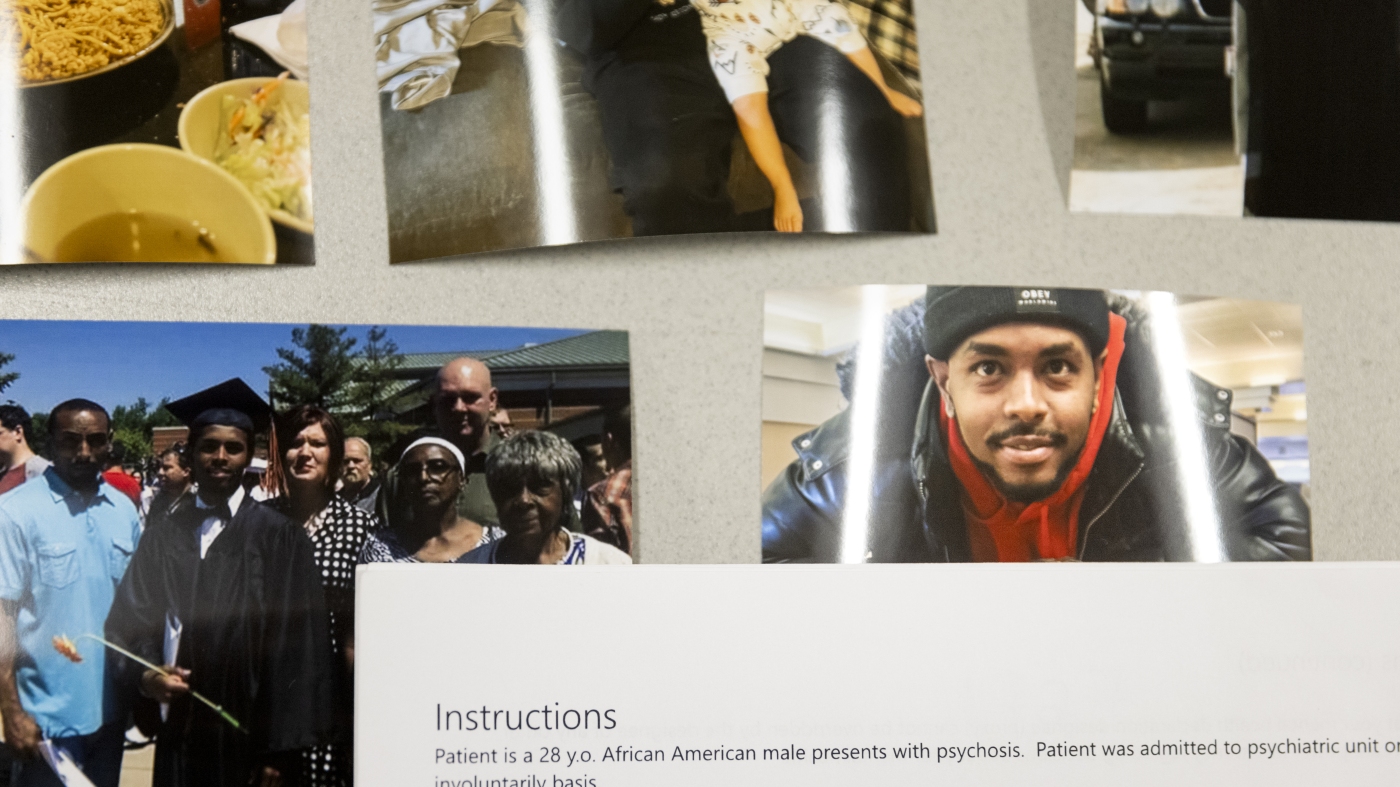
"She remembers a boy who dressed himself in three-piece suits, donated his allowance, and graduated high school at 16 with an academic scholarship and plans to join the military or start a business. Instead, Ferguson watched as her once bright-eyed, handsome son sank into disheveled psychosis, bouncing between family members' homes, homeless shelters, jails, clinics, emergency rooms and Ohio's regional psychiatric hospitals."
"All echoed Ferguson, who said the mental health system makes it "easier to criminalize somebody than to get them help." State psychiatric hospitals nationwide have largely lost the ability to treat patients before their mental health deteriorates and they are charged with crimes. Driving the problem is a meteoric rise in the share of patients with criminal cases who stay significantly longer, generally by court order."
Tyeesha Ferguson fears her 28-year-old son will kill or be killed. Quincy Jackson III once excelled academically and planned to join the military or start a business. He sank into disheveled psychosis and cycled among family homes, shelters, jails, clinics, emergency rooms and Ohio regional psychiatric hospitals. Interviews with patients, families and professionals said the mental health system often criminalizes people instead of providing help. State psychiatric hospitals nationwide have largely lost the ability to treat patients before mental health deteriorates and criminal charges follow. In Ohio, the share of hospital patients with criminal charges rose from about half in 2002 to around 90% today, and total patients served fell about 50% over the past decade, per SAMHSA.
#state-psychiatric-hospitals #criminalization-of-mental-illness #psychiatric-bed-shortages #ohio-mental-health
Read at www.npr.org
Unable to calculate read time
Collection
[
|
...
]