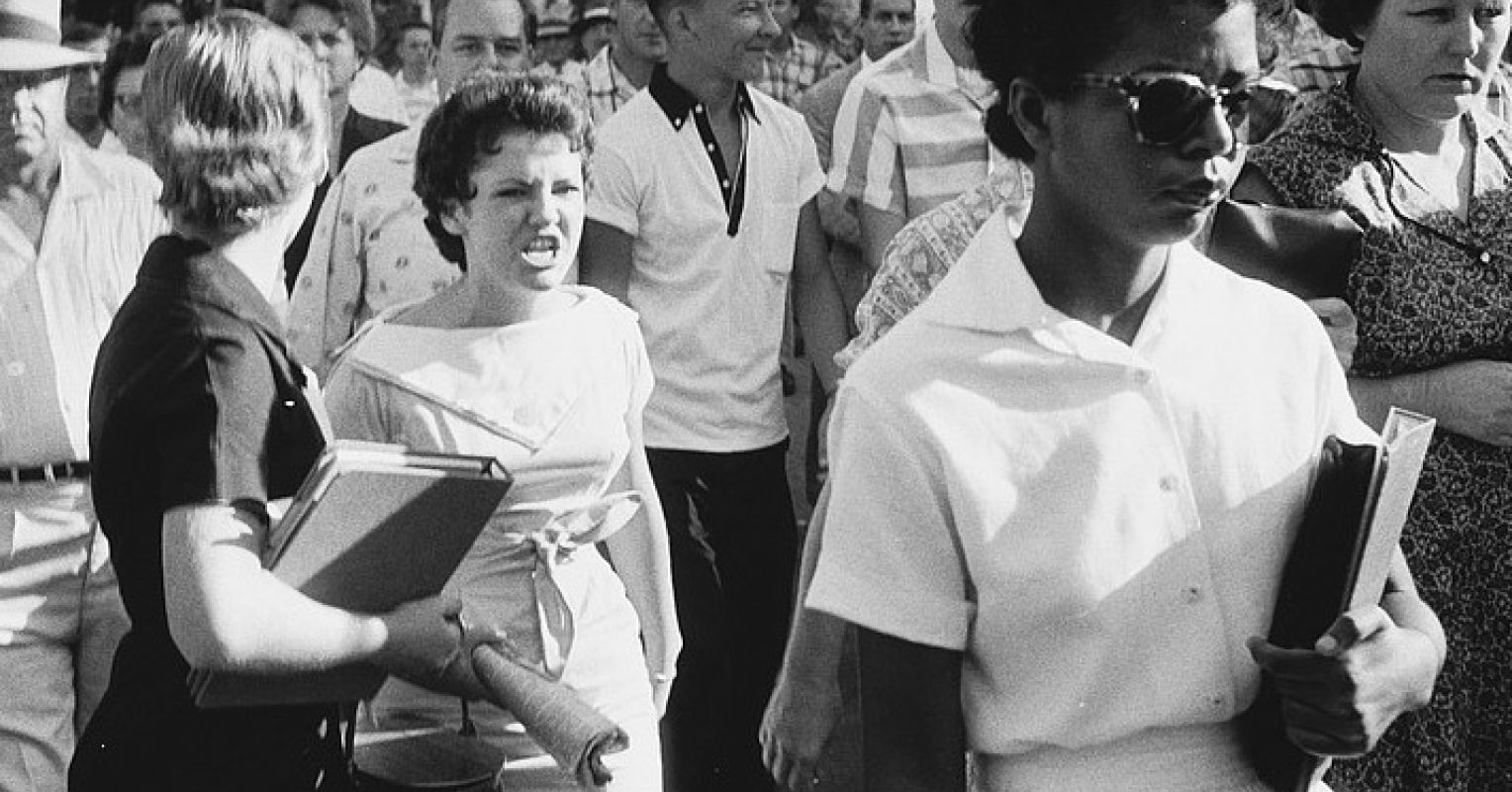
"In the wake of mass protests against federal immigration raids, politicians and pundits are using these kinds of words to discredit public dissent. In this view, protesters are framed not as engaged citizens exercising their rights but as threats to public safety and social order. Terms like "Trump Derangement Syndrome" go even further by pathologizing dissent itself. Framing resistance as mental instability makes it easier to dismiss, delegitimize, and punish, rather than confront the real harms that sparked it."
"As a psychiatrist who has worked across emergency rooms, inpatient units, and community clinics, I've seen how our systems can punish people for suffering-especially when anger or resistance stems from trauma, racism, or state violence. A Legacy of Pathologizing Protest In the mid-19th century, Southern physician Samuel Cartwright coined the term drapetomania to describe what he saw as a mental illness afflicting enslaved people who tried to flee captivity. Rather than recognizing an attempted escape as a fight for freedom, psychiatry labeled it pathological."
Political leaders and commentators frame protesters as threats to public safety and social order, using terms that pathologize dissent and justify repression. Framing resistance as mental instability enables dismissal, delegitimization, and punishment instead of addressing underlying harms. Medicine and psychiatry have a history of recasting resistance as disorder, from drapetomania to the so-called diagnosis of protest psychosis. Diagnostic categories were racialized, shifting portrayals from white women to Black men and redefining symptoms as dangerous. Clinical and legal systems can punish people for suffering, particularly when anger stems from trauma, racism, or state violence, obscuring demands for justice.
Read at Psychology Today
Unable to calculate read time
Collection
[
|
...
]