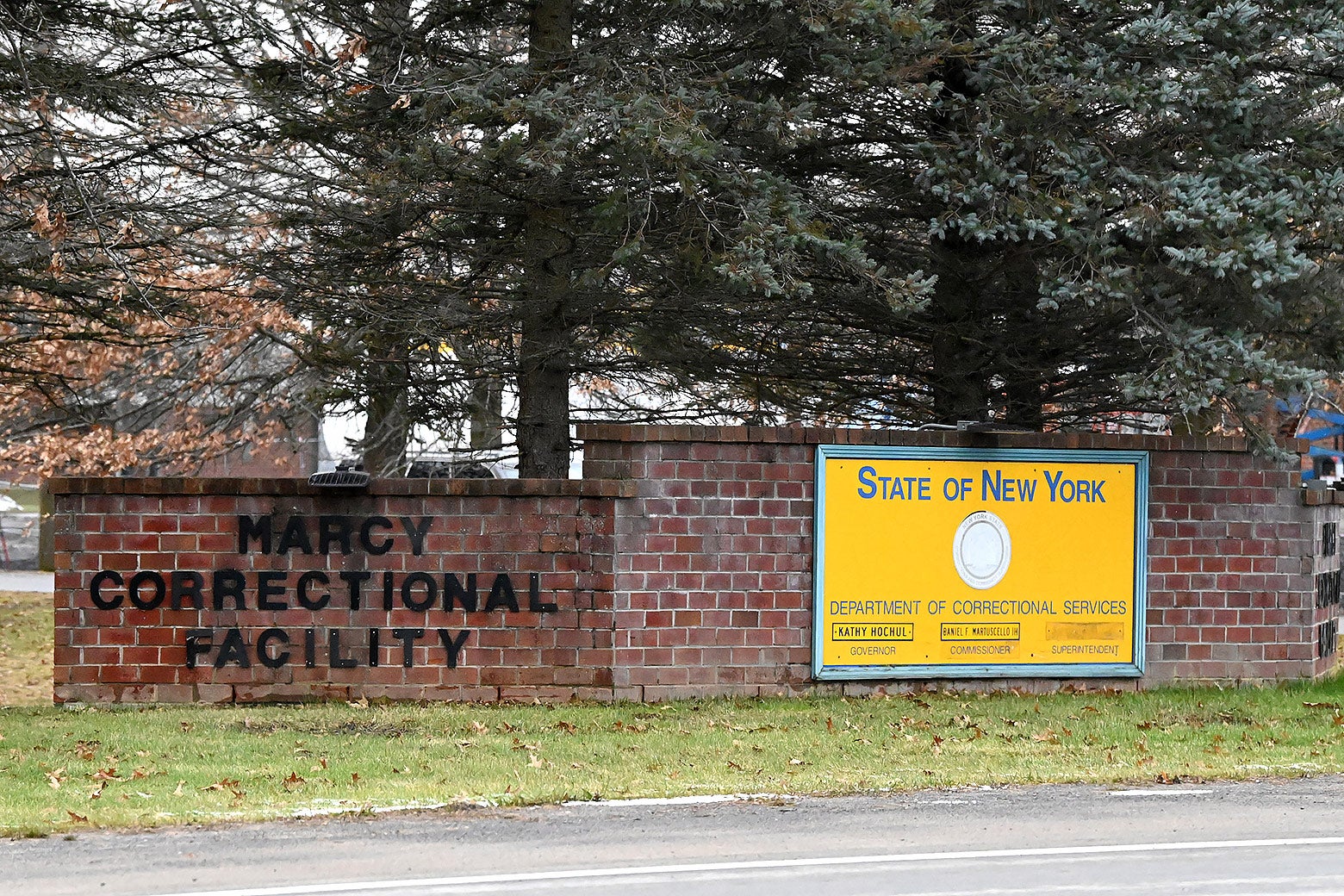
"In prison, no one bats an eye at hearing that an inmate killed themselves. This is especially true among fellow prisoners. Hearing that a fellow prisoner was stabbed to death, or overdosed, elicits a shrug, maybe a nervous laugh. Although we attribute such incidents to the violent and miserable nature of the place we inhabit, most people on the outside chalk these deaths up to the so-called mental health crisis inside correctional facilities, a phenomenon that gets significant attention."
"As a prisoner, though, when you hear that a civilian staff member who left their family every day to go to the awful confines of prison-the same prison where Robert Brooks was murdered -took their own life in such a shocking fashion, it makes you wonder what we're doing wrong. More importantly, the question swings in the air: What might someone who is living in the free world but considering killing themselves learn from prisoners about hanging on?"
A civilian imam entered a New York state correctional facility and killed himself, a shock that spread quickly through the prison. Inmates often react with indifference to violent deaths among prisoners, while outsiders frame such deaths as part of a correctional mental health crisis, reinforcing punitive narratives. The suicide of a civilian staff member prompts inmates to question what is being done wrong and to consider what lessons prisoners could offer those in the free world who are contemplating suicide. One inmate recounts serving 16 years for manslaughter, a failed suicide attempt after a fatal 2009 altercation, hospitalization, and overwhelming shame and guilt.
Read at Slate Magazine
Unable to calculate read time
Collection
[
|
...
]